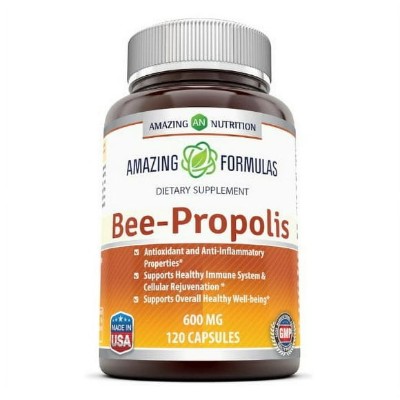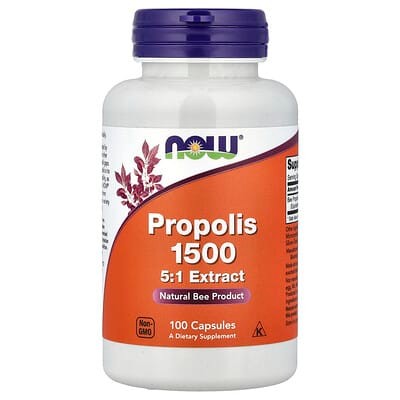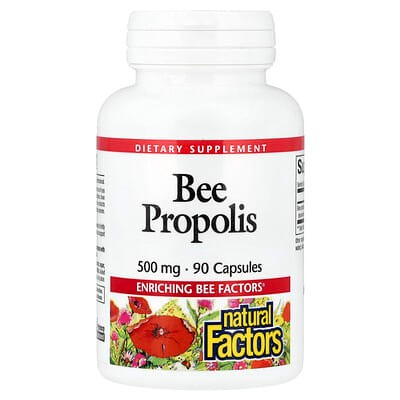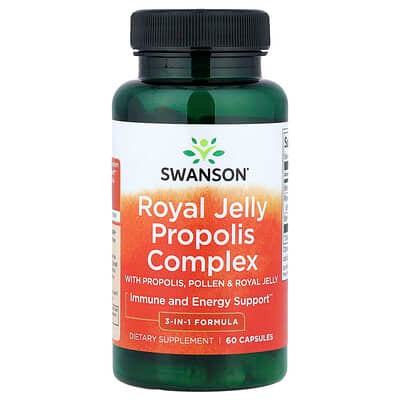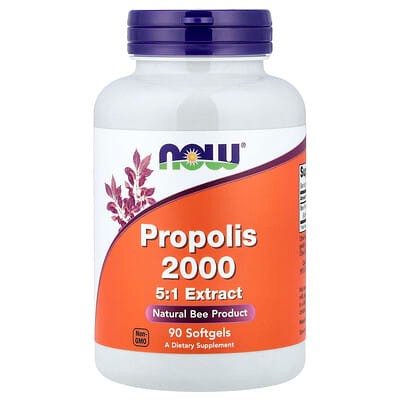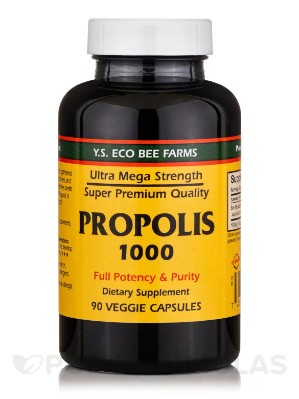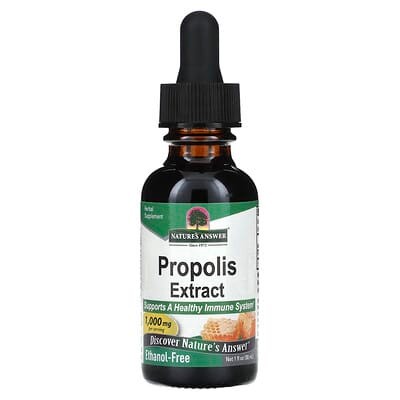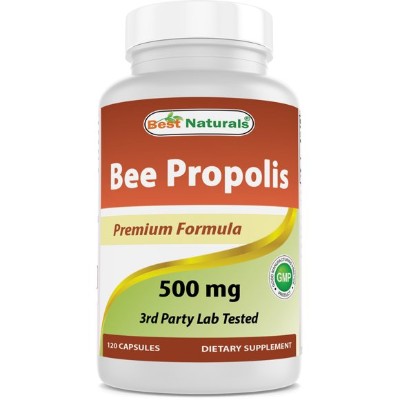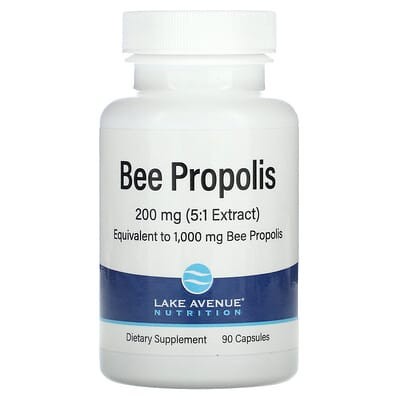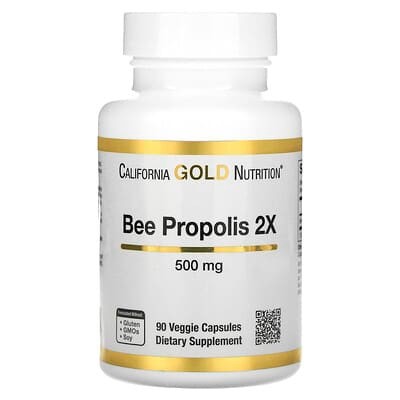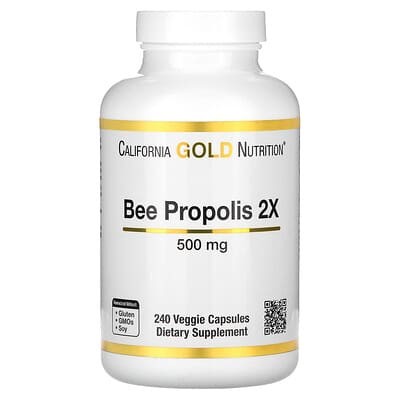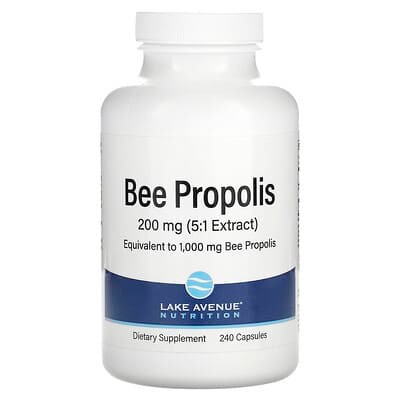
Propolis contains potent compounds like CAPE that modulate the immune system and inhibit inflammatory pathways like NF-kB. It is particularly effective for inflammation involving immune challenges, such as in the respiratory tract or oral cavity, while also offering systemic benefits.
- Focuses on
- Most relevant for
- Adults seeking to manage systemic inflammatory markers, particularly those with underlying metabolic or chronic health concerns.
Potential benefits
- Lowering Systemic Markers.Pooled analyses of clinical trials indicate that propolis may help reduce blood concentrations of key inflammatory markers, including C-reactive protein (CRP), TNF-alpha, and IL-6.
- Metabolic-Linked Inflammation.Research in populations with chronic metabolic challenges suggests that propolis can help lower pro-inflammatory cytokines associated with systemic inflammatory stress.
- Support for Oral Tissues.Unconfirmed. While topical propolis shows effectiveness for local inflammation like gingivitis, it is unproven whether oral capsules provide the same localized anti-inflammatory benefit for the mouth and gums. The goal benefit for oral health is currently based primarily on mouthrinse studies rather than swallowed supplements.
Limitations
- Clinical Symptom Gap.Reductions in laboratory blood markers have not consistently resulted in measurable improvements in physical symptoms or disease activity for conditions like rheumatoid arthritis or heart disease.
- Significant Product Variability.The concentration of active anti-inflammatory compounds varies widely based on geographic origin and preparation, making it difficult to predict consistent results across different brands.
- Inconsistent Marker Responses.Evidence is mixed; some meta-analyses report no change in specific markers like CRP, and individual trials have occasionally shown no effect on inflammation at all.
Things to consider
One clinical trial observed an increase in the inflammatory marker IL-6 during supplementation, suggesting that individual responses and specific product types can vary significantly.
Study evidence
34 studiesPropolis may lower some inflammatory blood markers, but results vary by preparation and health condition. These laboratory changes have not consistently translated into symptom relief or improved disease activity, and some research reports unchanged or increased inflammation markers.