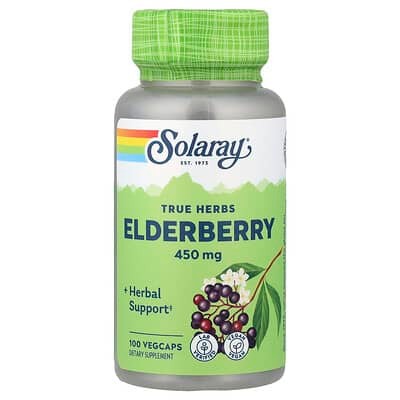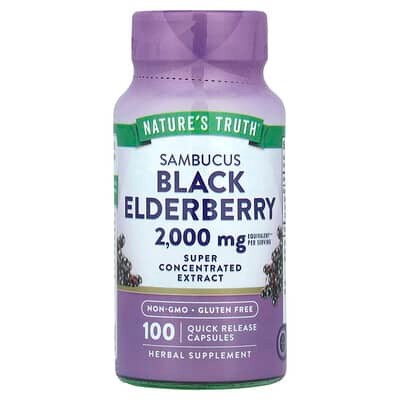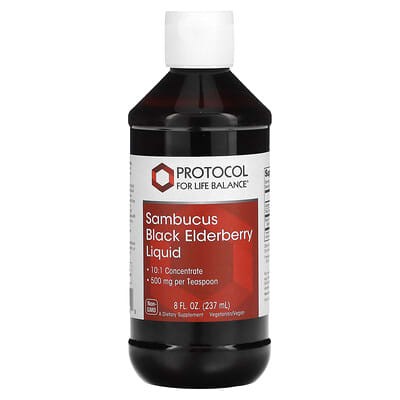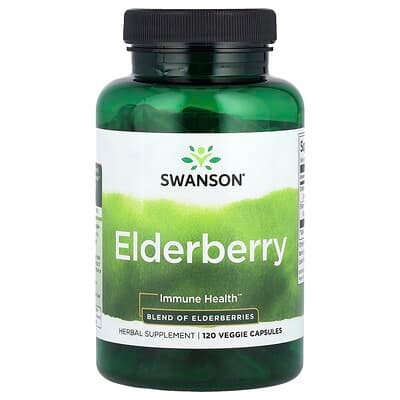
European Elder

Description

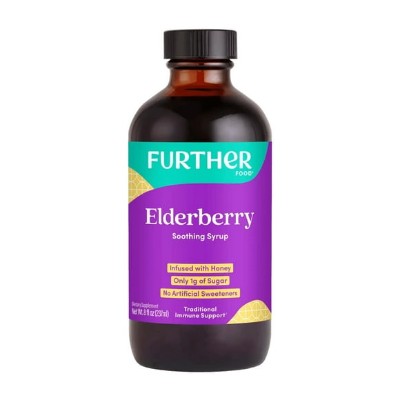
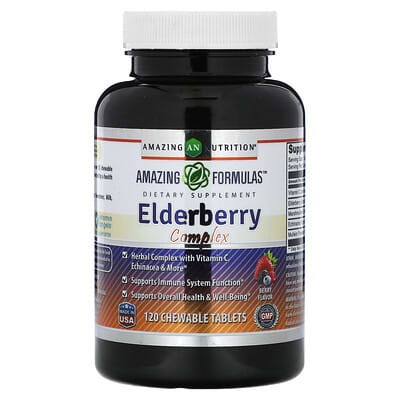
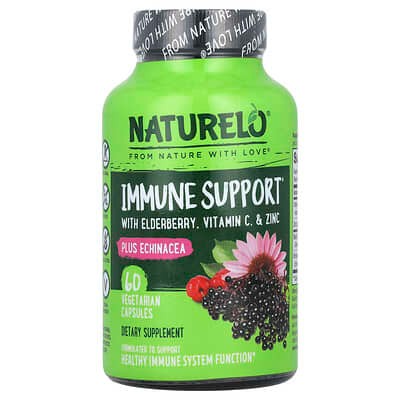
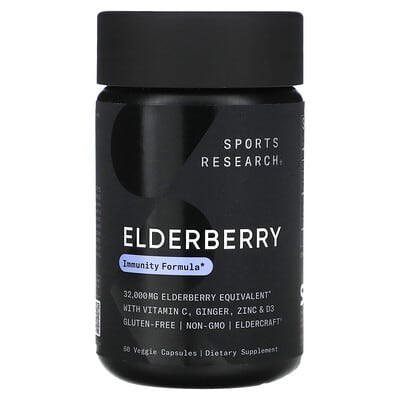
European Elder (Sambucus nigra), often referred to as elderberry, is a flowering plant whose berries and flowers have been utilized for centuries in traditional medicine. It is highly valued for its dense concentration of antioxidants, particularly anthocyanins and flavonoids, which contribute to its potent immune-modulating and anti-inflammatory effects. These compounds help combat oxidative stress and may support the body's natural defense mechanisms against pathogens. Primarily, elderberry is sought after for its ability to support the immune system, especially during periods of seasonal challenges like colds and flu. Research suggests that its active compounds can inhibit viral replication and reduce the duration and severity of upper respiratory tract infections. It is also believed to help alleviate symptoms such as congestion, sore throat, and fever. Beyond immune support, European Elder exhibits anti-inflammatory properties that can benefit overall health. Its antioxidant profile makes it a valuable component in wellness routines aimed at promoting cellular health and reducing inflammation. It is commonly found in various forms, including syrups, lozenges, teas, and capsules.

Sources
Berries of the Sambucus nigra plant (European Elder tree/shrub)Flowers of the Sambucus nigra plant
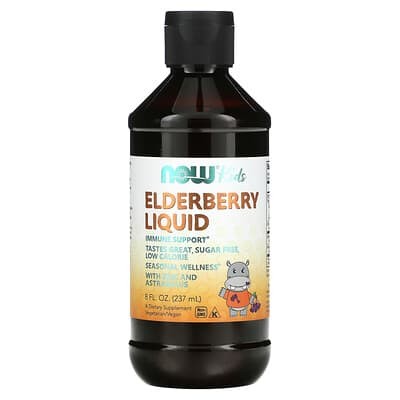
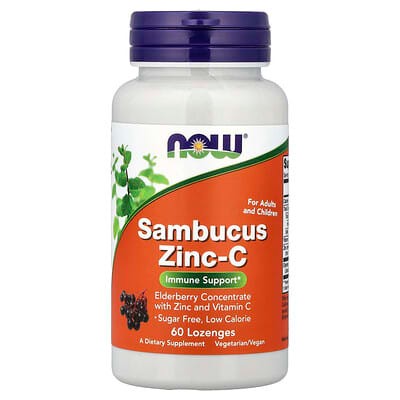
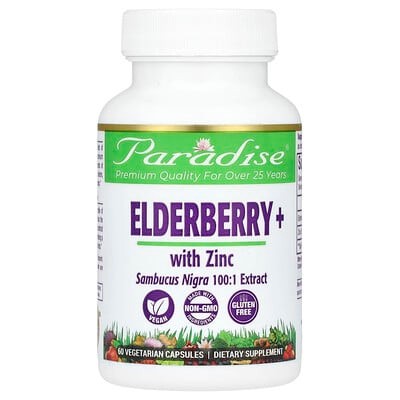
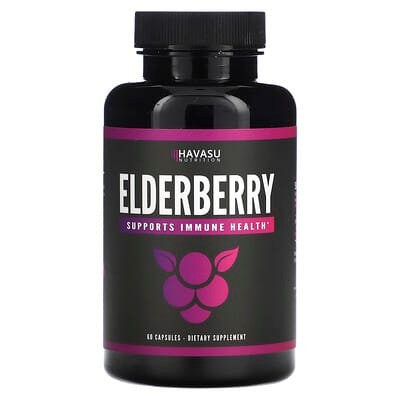
Cheapest European Elder supplements
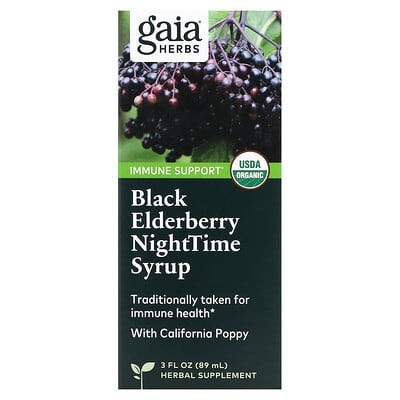
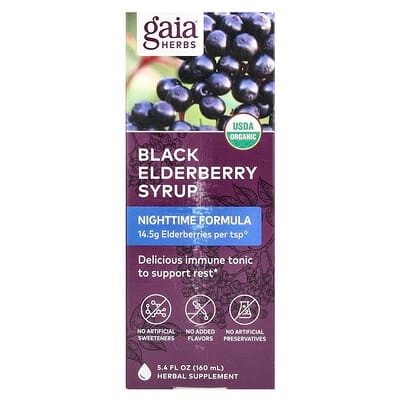
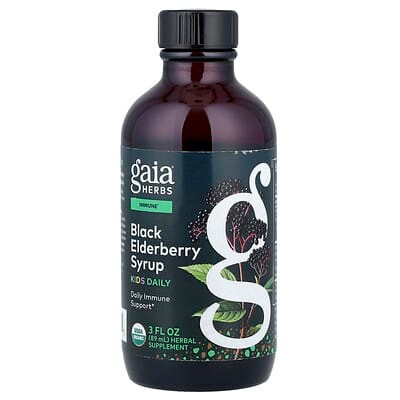
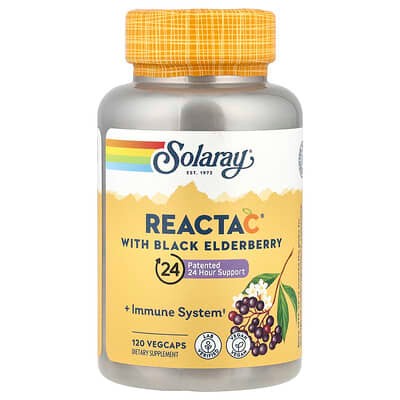
Discover the most affordable European Elder supplements to support your general health and boost immunity without breaking the bank.
Best European Elder supplements
Find the best European Elder supplements to support your general health and immunity with our expertly curated comparison list.
Value European Elder supplements
Discover the best value European Elder supplements to support your general health and boost immunity with our comprehensive comparison.
Timing & Intake
AnytimeWith foodTake with Water or as directed by product
Can be taken with or without food, but taking with food may minimize potential digestive upset for some individuals.
Optimal Dosage
Minimum500 mg
Maximum1000 mg
Safety & Toxicity
Price per product
Average$18.92
Median$16.24
Price per serving
Average$0.69
Median$0.59
Price per 100 mg
Average$0.77
Median$0.41
Price distribution
Price per serving distribution
Price per 100 mg
Reference amount: 100 mg
Forms
Paired ingredients
Sambucus nigra (4)75
Sambucus nigra is the scientific name for the European Elder tree or shrub. Various parts of the plant, especially the dark purple berries and the white flowers, have been used for centuries in traditional European folk medicine. The berries are valued for their rich content of anthocyanins and other polyphenols, while flowers are used for their diaphoretic and anti-inflammatory properties.
Pros
  • Refers to the well-studied and recognized plant species.
  • Historically used for a wide range of traditional remedies.
Cons
  • Too general, doesn't specify which part or preparation is being used, making specific health benefits and safety profiles less clear.
  • Requires knowledge of proper preparation to avoid toxicity from raw parts.
Per product
Avg$16.37
Med$16.32
Per serving
Avg$0.51
Med$0.53
Per 100 mg
Avg$0.36
Med$0.35
Price distribution
Polyphenols (3)80
Polyphenols are micronutrients with antioxidant activity. European Elder is rich in various polyphenols, not just anthocyanins, but also quercetin, kaempferol, and chlorogenic acids. These compounds work synergistically to provide broad-spectrum antioxidant, anti-inflammatory, and immune-supportive benefits.
Pros
  • Encompasses a wider range of beneficial compounds, potentially offering broader synergistic effects.
  • Supports multiple aspects of health through diverse antioxidant mechanisms.
Cons
  • Less specific than focusing on anthocyanins, so specific potencies of individual beneficial compounds might be less clear.
  • Standardization for total polyphenols might not guarantee optimal levels of all desired compounds.
Per product
Avg$23.86
Med$22.39
Per serving
Avg$0.27
Med$0.27
Per 100 mg
Avg$0.16
Med$0.16
Price distribution
Elderberries (2)70
Whole elderberries (Sambucus nigra) are the raw fruit of the European Elder plant. They are rich in vitamins, minerals, and potent antioxidants like anthocyanins and other polyphenols. Historically, they have been used in culinary preparations and traditional medicine to support general health and immunity. It's crucial that elderberries are cooked before consumption, as raw berries contain cyanogenic glycosides.
Pros
  • Natural whole food source, providing a full spectrum of nutrients and phytonutrients.
  • Can be prepared in various traditional culinary forms (e.g., syrups, jams) after cooking.
Cons
  • Must be cooked thoroughly before consumption to neutralize toxic compounds.
  • Concentration of active ingredients is lower and more variable than standardized extracts.
  • Fresh availability is seasonal.
Per product
Avg$11.46
Med$11.46
Per serving
Avg$1.29
Med$1.29
Per 100 mg
Avg$0.71
Med$0.71
Price distribution
BioActives (1)75
European Elder contains various bioactive compounds, including anthocyanins, flavonoids, and phenolic acids, which contribute to its antioxidant and immune-modulating properties. These bioactives are responsible for the plant's potential health benefits.
Pros
  • Contains the beneficial compounds inherent to elderberry.
  • Supports general well-being through natural plant constituents.
Cons
  • Not standardized, specific concentrations of active compounds are unknown.
  • Effectiveness can vary due to unquantified active ingredients.
Per product
Avg$11.68
Med$11.68
Per serving
Avg$2.33
Med$2.33
Per 100 mg
Avg$1.17
Med$1.17
Price distribution
Black Elderberry (1)80
Black elderberry specifically denotes the dark purple berries of the Sambucus nigra species. These berries are a popular source for supplements due to their high concentration of beneficial compounds, including anthocyanins, flavonoids, and vitamins. While it can refer to the raw fruit, in a supplement context, it often implies a processed form like an extract, syrup, or concentrate, which has been prepared to ensure safety and potency.
Pros
  • Clearly identifies the beneficial species (Sambucus nigra).
  • Widely available in various preparations (syrups, capsules, gummies).
  • Recognized for both general health and immune benefits.
Cons
  • Can refer to whole berries (requiring cooking) or extracts, so potency and safety can vary depending on context.
  • Consumers need to verify if it's an extract or whole berry product for proper usage.
Per product
Avg$17.99
Med$17.99
Per serving
Avg$0.89
Med$0.89
Per 100 mg
Avg$0.45
Med$0.45
Price distribution
European Black Elderberry Extract (1)90
European Black Elderberry Extract is a highly concentrated form made from the berries of Sambucus nigra. This extract is frequently standardized to contain a specific amount of active compounds, such as anthocyanins, which are potent antioxidants and immune modulators. It is a widely studied form for its effectiveness in supporting the immune system and helping to alleviate symptoms of colds and flu.
Pros
  • High concentration of active compounds, ensuring potent effects.
  • Often standardized for potency, providing consistent dosages.
  • Extensive research backing its immune benefits and safety profile for cold/flu.
  • Convenient and easy to consume in supplement form.
Cons
  • Cost can be higher due to extraction and standardization processes.
  • Quality can still vary among brands if not third-party verified.
Per product
Avg$22.95
Med$22.95
Per serving
Avg$0.76
Med$0.76
Per 100 mg
Avg$0.15
Med$0.15
Price distribution
Sambucus nigra cerulea (1)70
Sambucus nigra cerulea, also known as Blue Elderberry or Pacific Coast Elderberry, is a subspecies found primarily in western North America. Like Sambucus nigra, its berries are rich in anthocyanins and other polyphenols, contributing to its antioxidant and potential immune-modulating properties. While sharing many characteristics with the European Black Elderberry, it is a distinct plant with its own traditional uses, though less extensively studied for direct comparisons in human clinical trials for cold/flu compared to S. nigra.
Pros
  • Contains beneficial anthocyanins and polyphenols, offering antioxidant potential.
  • Native to North America, often used in regional traditional medicine.
Cons
  • Less extensive research specifically on human immunity compared to Sambucus nigra.
  • Requires cooking similar to S. nigra due to cyanogenic glycosides in raw parts.
  • May not be as readily available in international markets as European Black Elderberry.
Per product
Avg$19.10
Med$19.10
Per serving
Avg$0.42
Med$0.42
Per 100 mg
Avg$0.09
Med$0.09
Price distribution
Sambucus nigra Extract (1)88
Sambucus nigra Extract is a concentrated preparation from the European Elder plant, most commonly from its berries. This extract aims to provide a higher concentration of the plant's active constituents, such as anthocyanins, flavonoids, and phenolic acids, which are responsible for its antioxidant, anti-inflammatory, and immune-supporting properties. It is a widely used form in supplements due to its convenience and enhanced potency.
Pros
  • Concentrated source of beneficial compounds, allowing for lower dosages.
  • Often standardized for active components, providing consistent efficacy.
  • Convenient and widely available in various supplement forms.
  • Backed by research for immune system support and general health.
Cons
  • Quality can vary between products if not standardized or sourced from reputable suppliers.
  • Potential for mild gastrointestinal upset in some sensitive individuals.
Per product
Avg$12.74
Med$12.74
Per serving
Avg$0.21
Med$0.21
Per 100 mg
Avg$0.05
Med$0.05
Price distribution
Sambucus nigra Fruit Extract (1)75
Sambucus nigra is the scientific name for the European Elder tree or shrub. Various parts of the plant, especially the dark purple berries and the white flowers, have been used for centuries in traditional European folk medicine. The berries are valued for their rich content of anthocyanins and other polyphenols, while flowers are used for their diaphoretic and anti-inflammatory properties.
Pros
  • Refers to the well-studied and recognized plant species.
  • Historically used for a wide range of traditional remedies.
Cons
  • Too general, doesn't specify which part or preparation is being used, making specific health benefits and safety profiles less clear.
  • Requires knowledge of proper preparation to avoid toxicity from raw parts.
Per product
Avg$43.96
Med$43.96
Per serving
Avg$0.73
Med$0.73
Per 100 mg
Avg$0.24
Med$0.24
Price distribution