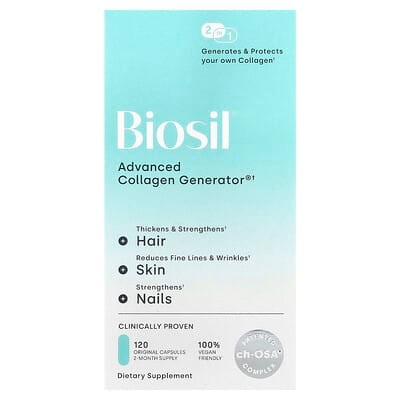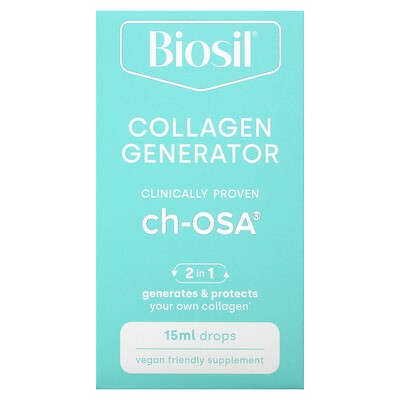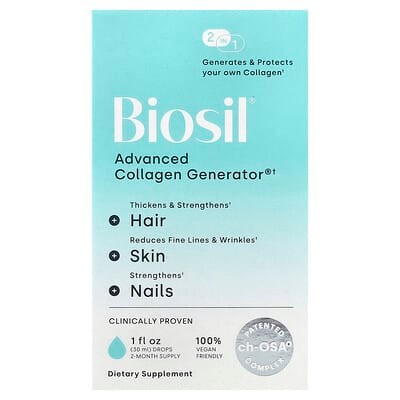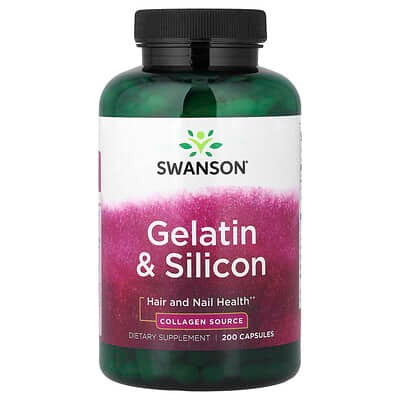
Silicon

mineral

Silicon, found as silicic acid or orthosilicic acid (OSA) in bioavailable forms, is a trace mineral that supports the structural integrity of various body tissues. It is the second most abundant element in the Earth's crust and is valued for its role as a cross-linking agent in the synthesis and stabilization of connective tissues. This mineral supports bone formation and maintenance by contributing to mineralization and the synthesis of collagen, a fundamental protein for the bone matrix. Beyond skeletal health, it assists the skin, hair, and nails by supporting collagen and elastin production, which helps maintain skin elasticity and hydration while strengthening keratin structures. Due to its involvement in connective tissue health, silicon is important for supporting structural integrity. Adequate intake contributes to bone density, resilient skin, and robust hair and nails, helping to maintain the body's structural framework and vitality from within.

Natural sources
Whole grains (oats, barley, rice)Green beansLeafy green vegetablesRoot vegetablesBananasApplesOrangesHorsetail herbMineral water

Ingredient forms

No public comparison lists found.

Timing & Intake
Anytime
Silicon supplements are usually well-tolerated and can be taken at any time, with or without food. Taking them alongside a meal may help reduce the possibility of rare, mild gastrointestinal discomfort.
Optimal Dosage
Minimum5 mg
Maximum20 mg
Safety & Toxicity
2 safety notes
  • Individuals with kidney disease should consult a healthcare professional before taking silicon supplements, as excess mineral intake can be problematic.
  • Pregnant or nursing women should consult a doctor before use.
Goals
Nail Health
Impact
Highest effect
Typical dose:5–30 mg

Silicon, often consumed as orthosilicic acid or from sources like bamboo or horsetail extract, is vital for the structural integrity of the nail plate. It helps to cross-link keratin strands, which may decrease brittleness and improve nail surface quality.

Focuses on
Nail brittlenessNail strengthNail surface quality
Most relevant for
Women looking to manage nail brittleness, particularly those with signs of aging or sun-damaged skin.

Potential benefits

  • Reduction in brittleness.Unconfirmed. Daily intake of specific silicon formulations may help reduce the perceived brittleness of nails over a 20-week period, though clinical evidence is preliminary.
  • Support for nail structure.Unconfirmed. As a key component of connective tissue, silicon is suggested to support the structural integrity and clinical appearance of the nail plate.

Limitations

  • Subjective evidence.Improvements in nail health are often based on self-reported assessments rather than objective clinical measurements, and a clear advantage over placebo is uncertain.
  • Formulation specific.Most clinical evidence is limited to choline-stabilized orthosilicic acid; these findings may not apply to other forms of silicon like bamboo or horsetail extract.
  • Limited population data.Studies have primarily focused on small groups of women with photodamaged skin, making the benefits less certain for the general population.
Things to consider

Visible improvements in nail quality typically require consistent daily supplementation for at least five months due to the slow rate of nail growth.

Study evidence

2 studies

Silicon in the form of choline-stabilized orthosilicic acid may reduce perceived nail brittleness, but the evidence is preliminary. The supplied research does not establish a clear improvement over placebo or show that all silicon supplements strengthen nails.

View goal
Skin Health
Impact
High effect
Typical dose:10–50 mg

Silicon is a trace mineral that plays a key role in the formation and stabilization of collagen. It activates hydroxylating enzymes involved in collagen synthesis, leading to improved skin strength, elasticity, and hydration. It is often supplemented as orthosilicic acid or from botanical sources like bamboo or horsetail.

Focuses on
Skin TextureSurface RoughnessMechanical ElasticityCollagen SupportScar Management
Most relevant for
Adults with sun-damaged skin or those seeking specific bioavailable minerals to support skin structure and texture.

Potential benefits

  • Improved Skin Texture.Daily intake of specific, bioavailable forms like choline-stabilized orthosilicic acid has been shown to reduce skin roughness and improve the mechanical properties of sun-damaged skin.
  • Enhanced Elasticity and Hydration.Unconfirmed. Botanical silica blends may help increase skin elasticity and reduce wrinkle visibility, though its independent effect is unproven as research often combines it with other nutrients like biotin.
  • Topical Scar Management.External application of silicone gel sheeting is used to manage scar vascularity, pliability, and height, though evidence for preventing abnormal scarring is considered weak and prone to bias.

Limitations

  • Formulation Dependency.Clinical results are largely restricted to specific preparations like choline-stabilized orthosilicic acid; these benefits may not apply to all silicon or silica supplement types.
  • Directness of Evidence.Much of the supportive research involves topical dressings or wound-care materials, which provide no evidence for the effectiveness of oral silicon supplementation for the same goals.
  • Mixed Study Quality.Reviews of silicon for skin health highlight a lack of high-quality, unbiased research, with many studies showing limited or inconsistent clinical improvements.
Things to consider

Topical use of silicone in medical materials like liners or sheets may cause skin irritation, itching, or excessive perspiration in some individuals.

Study evidence

16 studies

A specific oral form of Silicon has shown promising effects on skin texture in women with sun-damaged skin, but broader supplement benefits remain uncertain. Much of the supplied research concerns silicone dressings or other topical materials, which cannot establish the effects of oral Silicon.

View goal
Hair Health
Impact
Moderate effect
Typical dose:5–20 mg

Silicon is a trace mineral concentrated in connective tissues. It plays a structural role in forming collagen and is integrated into the hair shaft, contributing to its tensile strength, thickness, and elasticity. Supplementing directly with a bioavailable form of silicon can help improve hair quality and reduce breakage.

Focuses on
Hair strengthHair thicknessReduced brittlenessElasticityHair quality
Most relevant for
Women with fine or brittle hair looking to improve the structural strength and thickness of existing strands.

Potential benefits

  • Increased Hair Thickness.Research on a bioavailable silicon form showed a significant increase in the cross-sectional area of individual hair strands in women with fine hair.
  • Preserved Tensile Strength.Daily intake may help maintain hair elasticity and break load, making strands more resistant to mechanical stress and breakage.
  • Reduced Perceived Brittleness.Clinical participants reported a significant decrease in hair brittleness after several months of consistent supplementation.

Limitations

  • Form-Specific Evidence.The documented benefits are specific to choline-stabilized orthosilicic acid; other forms of silicon may have different bioavailability.
  • No Growth or Density Effect.Studies focus on the quality of existing hair and do not establish that silicon can stimulate new growth or increase the number of hairs.
  • Duration of Use.Measurable improvements in hair thickness and strength typically require between six and nine months of continuous supplementation.

Study evidence

2 studies

A specific silicon formulation may help preserve hair strength and reduce perceived brittleness, based on limited research in women. The findings concern the properties of existing hair, and do not establish that silicon supplements stimulate growth or treat hair loss.

View goal
Bone Health
Impact
Situational effect
Typical dose:5–40 mg

Silicon, often supplemented as orthosilicic acid, is concentrated in areas of active bone growth. It is thought to play a role in collagen synthesis and in the early stages of bone calcification, contributing to overall bone strength and health.

Focuses on
Bone mineral densityCollagen formationBone mineralizationCortical bone qualitySkeletal strength
Most relevant for
Individuals seeking to support the structural collagen matrix and mineral density of their bones.

Potential benefits

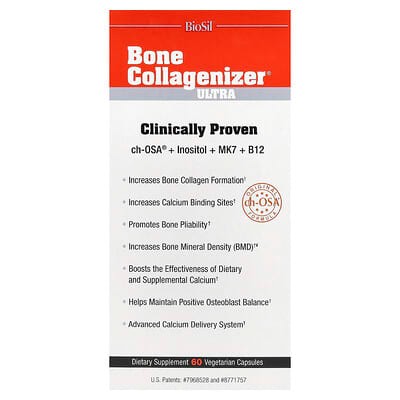
  • Bone Collagen Synthesis.Supplemental choline-stabilized orthosilicic acid has been shown to increase markers of type I collagen formation when used as an adjunct to calcium and vitamin D.
  • Support for Bone Mineral Density.Higher dietary silicon intake is associated with significantly better bone mineral density at hip sites in men and premenopausal women.
  • Bone Matrix Mineralization.Unconfirmed. Silicon is hypothesized to facilitate the early stages of bone calcification and improve matrix quality, though direct strengthening from supplements remains unproven in humans.

Limitations

  • Inconsistent Density Gains.Clinical trials have not demonstrated consistent improvements in lumbar spine density, and hip benefits may be limited to specific subgroups.
  • Population Specificity.Evidence from large population studies suggests the positive association between silicon and bone density may not apply to postmenopausal women.
  • Null Short-Term Effects.Studies using silicon-rich water have shown that increased silicon absorption does not always translate to changes in bone turnover markers over a 12-week period.
Things to consider

Silicon is generally studied as a secondary support alongside calcium and vitamin D. Absorption may be significantly impaired in individuals with compromised stomach function.

Study evidence

13 studies

Silicon may contribute to bone formation, and higher dietary intake is associated with better bone density in some groups. Supplement trials are limited and mixed, so the available evidence does not establish that silicon reliably strengthens bones or prevents fractures.

View goal
Joint Health
Impact
Situational effect
Typical dose:5–40 mg

Silicon, often from sources like bamboo or horsetail extract, is required for the enzyme prolyl hydroxylase, which is essential for collagen formation. It cross-links collagen strands, increasing the strength and integrity of cartilage, bone, and tendons.

Focuses on
Knee stiffnessPhysical functionCartilage maintenanceMale joint health
Most relevant for
Men with symptomatic knee osteoarthritis seeking supplemental support for joint stiffness and function.

Potential benefits

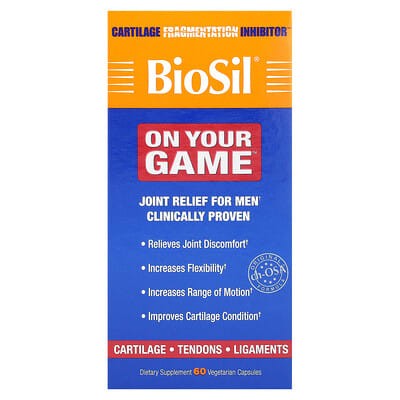
  • Support for Male Knee Function.In clinical research using a specific silicon formulation (ch-OSA), men with knee osteoarthritis experienced significant improvements in joint stiffness and physical function.
  • Cartilage Integrity Support.Unconfirmed. Silicon is a trace element involved in collagen synthesis and stabilization; however, evidence that oral supplements prevent cartilage breakdown in the general population is currently unproven.

Limitations

  • Gender-Dependent Outcomes.Benefits observed in clinical trials were limited to male participants, with no significant improvements found in women for pain, stiffness, or joint function.
  • Inconsistent Pain Relief.Large-scale trials have failed to show that silicon supplementation reduces joint pain better than a placebo in the overall study population.
  • Distinction from Implants.Much research on silicon and joints involves surgical spacers or prosthetic materials, which provide no evidence for the safety or efficacy of oral dietary supplements.

Study evidence

4 studies

Silicon supplementation has not shown a clear overall benefit for joint symptoms in the supplied evidence. A specific silicon formulation produced encouraging findings in men with knee osteoarthritis, but the overall trial result was negative and broader joint benefits remain unproven.

View goal

Studies

Research connections will load here.
Sources

Up to five highest-ranked published examples per goal. Study counts and charts include all published studies for the connection.

  1. Effect of oral intake of choline-stabilized orthosilicic acid on skin, nails and hair in women with photodamaged skin.
    Barel A; Calomme M; Timchenko A; De Paepe K; Demeester N; Rogiers V; Clarys P; Vanden Berghe D · Archives of dermatological research · 2006
    Randomized trial50 participantsHair HealthNail Health
  2. Nail Supplements: When, How, and Why?
    Zaraa I; Richert B · Skin appendage disorders · 2026
    Narrative reviewNail Health
  3. The Efficacy of a Silicone Sheet in Postoperative Scar Management.
    Kim JS; Hong JP; Choi JW; Seo DK; Lee ES; Lee HS · Advances in skin & wound care · 2018
    Randomized trialSkin Health
  4. A non-inferiority study to compare the effect of silica gel fiber dressing with alginate dressing on healing of venous leg ulcers.
    Zhang L; Yang J; Wang H; Cai Y; Zhao W; Dong R; Liu D; Lu X · Wound management & prevention · 2023
    Randomized trial130 participantsSkin Health
  5. The Role of Sesbania grandiflora-Derived Biotin and Bambusa arundinacea-Derived Silica Extracts in Promoting Hair, Skin, and Nail Health: A Randomized, Double-Blind, Placebo-Controlled Clinical Study.
    Patel MN; Maheshvari J; Patel N · Cureus · 2025
    Randomized trial105 participantsSkin Health
  6. Retrospective Study on the Clinical Superiority of the Vacuum-Assisted Closure System with a Silicon-based Dressing over the Conventional Tie-over Bolster Technique in Skin Graft Fixation.
    Chou PR; Wu SH; Hsieh MC; Huang SH · Medicina (Kaunas, Lithuania) · 2020
    Cohort study26 participantsSkin Health
  7. Silicon gel sheeting for preventing and treating hypertrophic and keloid scars.
    O'Brien L; Pandit A · The Cochrane database of systematic reviews · 2006
    Meta-analysis559 participants13 studies pooledSkin Health
  8. Effect of oral intake of choline-stabilized orthosilicic acid on hair tensile strength and morphology in women with fine hair
    R R Wickett, E Kossmann, A Barel, N Demeester, P Clarys, D Vanden Berghe, M Calomme · Archives of Dermatological Research · 2007
    Randomized trial48 participantsHair Health
  9. The effect of choline-stabilized orthosilicic acid in patients with peri-implantitis: an exploratory randomized, double-blind, placebo controlled study.
    Teughels W; Celik GU; Tarce M; De Cock I; Persyn SM; Haytac MC · BMC oral health · 2021
    Randomized trial21 participantsBone Health
  10. Calcium Phosphate Modified with Silicon vs. Bovine Hydroxyapatite for Alveolar Ridge Preservation: Densitometric Evaluation, Morphological Changes and Histomorphometric Study.
    Cadenas-Vacas G; Martínez-Rodríguez N; Barona-Dorado C; Sánchez-Labrador L; Cortés-Bretón Brinkmann J; Meniz-García C; Martínez-González JM · Materials (Basel, Switzerland) · 2021
    Non-randomized trialBone Health
  11. Silicon: a review of its potential role in the prevention and treatment of postmenopausal osteoporosis.
    Price CT; Koval KJ; Langford JR · International journal of endocrinology · 2013
    Narrative reviewBone Health
  12. Osteogenic Effect of a Bioactive Calcium Alkali Phosphate Bone Substitute in Humans.
    Knabe C; Adel-Khattab D; Rezk M; Cheng J; Berger G; Gildenhaar R; Wilbig J; Günster J; Rack A; Heiland M; Knauf T; Stiller M · Bioengineering (Basel, Switzerland) · 2023
    Clinical trial38 participantsBone Health
  13. Silicon and bone health.
    Jugdaohsingh R · The journal of nutrition, health & aging · 2007
    Narrative reviewBone Health
  14. Silicon Interpositional Arthroplasty for Temporo-mandibular Joint Ankylosis.
    Agarwal P; Singh MP; Tiwari S; Sharma D · Indian journal of otolaryngology and head and neck surgery : official publication of the Association of Otolaryngologists of India · 2022
    Single-arm trial20 participantsJoint Health
  15. A 12-week randomized, double-blind, placebo-controlled multicenter study of choline-stabilized orthosilicic acid in patients with symptomatic knee osteoarthritis.
    Geusens P; Pavelka K; Rovensky J; Vanhoof J; Demeester N; Calomme M; Vanden Berghe D · BMC musculoskeletal disorders · 2017
    Randomized trial211 participantsJoint Health
  16. Comparison of tendon suspension-interposition and silicon spacers in the treatment of degenerative osteoarthritis of the base of the thumb.
    Lehmann O; Herren DB; Simmen BR · Annales de chirurgie de la main et du membre superieur : organe officiel des societes de chirurgie de la main = Annals of hand and upper limb surgery · 2000
    Observational study102 participantsJoint Health
  17. Ultrasonographic assessment of the quadriceps muscle and femoral cartilage in transtibial amputees using different prostheses.
    Şahin Onat Ş; Malas FÜ; Öztürk GT; Akkaya N; Kara M; Özçakar L · Prosthetics and orthotics international · 2017
    Cross-sectional study38 participantsJoint Health