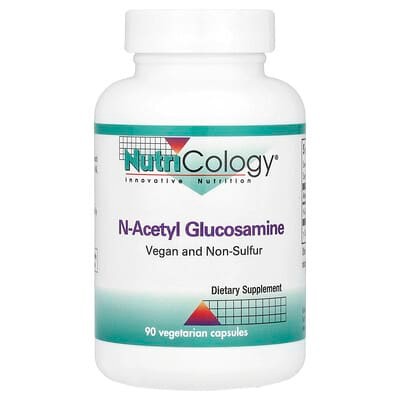
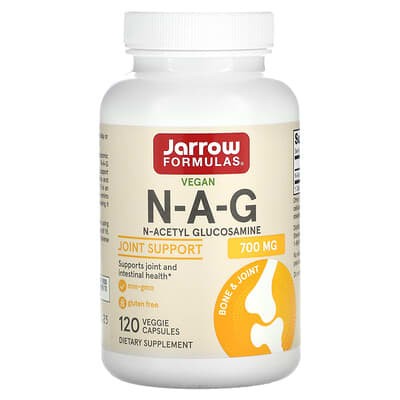
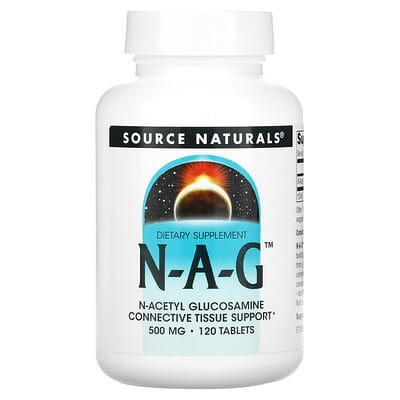
N-Acetyl Glucosamine (NAG) is a naturally occurring amino sugar that serves as a fundamental building block for various complex molecules in the body. Unlike glucosamine sulfate or glucosamine HCl, NAG is absorbed directly and acts as a precursor to hyaluronic acid, which is essential for maintaining moisture and lubrication in the joints and skin. It plays a role in synthesizing glycosaminoglycans and proteoglycans, which are necessary components of cartilage and connective tissues.
NAG supports the health and integrity of cartilage to contribute to joint comfort and mobility. In addition to joint health, it is recognized for its potential to support skin hydration and elasticity, while also aiding the integrity of the gastrointestinal lining. This makes it a common ingredient in formulations intended to support connective tissue health.
Its unique structure allows the body to readily utilize it for synthesizing important structural molecules. As a non-nutrient and non-botanical ingredient, it provides targeted support for cellular processes related to the maintenance and repair of various tissues.