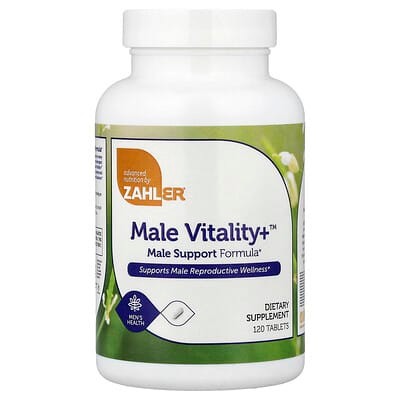


About this product
Broad nutritional support is more convincing than a routine testosterone or longevity effect. Zinc, vitamin D, selenium and B vitamins can help fill dietary gaps relevant to normal immune function and energy use. The botanical names do not establish higher testosterone when nutrient intake is already adequate.
Pyridoxal 5-phosphate and zinc arginate are clearly identified forms, but 20 mg B6 and 30 mg zinc make supplement overlap important. Copper is not quantified, leaving the mineral balance unclear. Calcium ascorbate supplies a disclosed vitamin C amount without a matching calcium declaration, so it should not be counted as quantified calcium support.
The added carnitine, CoQ10, shilajit, ashwagandha and glutathione create a complex mixture with several preparation gaps. CoQ10 form, ashwagandha source proportions and recognized withanolide content remain unresolved, while some supporting findings use smaller servings than the ingredient list. Confirming the current directions matters before comparing doses, especially given the high cost and uncertain additional benefit.
Pros
B6 and zinc have clearly named source forms Vitamin D contributes to normal nutritional needs Most individual ingredient amounts are disclosed
Cons
Routine testosterone and longevity benefits are unestablished CoQ10 form and ashwagandha standardization are unresolved Some supporting findings use different serving amounts High cost is difficult to justify from the uncertain added benefits
Warnings
The serving lists 20 mg B6, above the supplied nutritional reference range; check other B6 sources before combining supplements. Zinc is listed at 30 mg without a quantified copper amount; review the mineral balance before prolonged use or adding extra zinc.