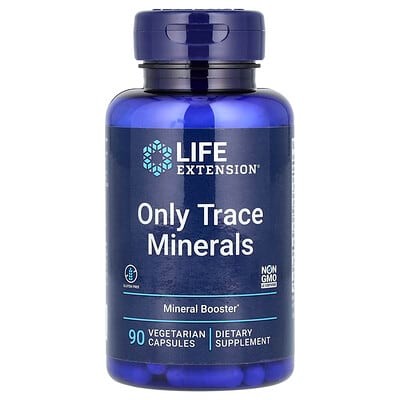


About this product
A focused trace-mineral formula may help when dietary intake leaves specific mineral gaps. Zinc at 20 mg and copper at 2 mg are clearly stated, making their relationship easier to assess than in formulas with missing copper information. The named zinc methionine and copper bisglycinate sources support clear comparisons without establishing better health outcomes from those forms.
Chromium at 400 mcg and molybdenum at 250 mcg broaden the mineral supply at relatively low cost. Manganese sulfate is a less favored source than some alternatives, and the proportions of the boron forms remain unknown. The ingredient findings describe 3 mg total boron, while some goal-level amounts remain unresolved, so the repeated boron rows should not be summed.
The clearest use is nutritional supplementation rather than weight loss, hormone enhancement or faster toxin clearance. Zinc-related hair, skin and testosterone benefits are conditional on inadequate intake. Vanadium information remains incomplete, which limits confidence in the purpose and contribution of every added mineral.
Pros
Zinc and copper quantities allow direct mineral-balance comparison Named chromium and molybdenum sources improve disclosure Low serving cost supports value across several trace minerals
Cons
Manganese uses the less favored sulfate form Boron-source proportions are not provided Vanadium's usable amount and contribution remain unresolved Normal enzyme roles do not establish fat loss or routine detoxification benefits
Warnings
The 20 mg zinc and 2 mg copper should be counted alongside any multivitamin or separate mineral supplements to avoid unnecessary overlap. Do not add the three boron-source rows as separate doses; the ingredient findings describe 3 mg total boron.