
Nutrient quality
The focused fish-oil formula avoids low-value extras. Modest active concentration and an unspecified oil form limit dose and absorption confidence.
 iHerb iHerb | $ 13.99 |
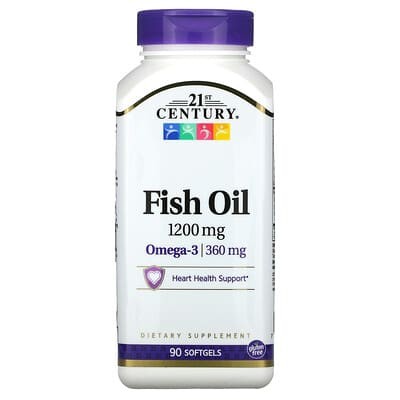
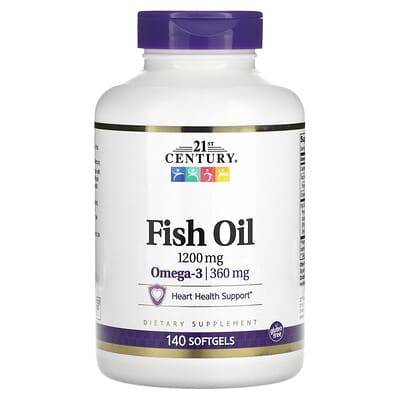
Total omega-3, rather than the larger fish-oil weight, is the meaningful active measure. The 360 mg amount offers basic support but does not reveal how much comes from EPA versus DHA.
The concentrate form does not confirm its molecular structure. The supplied data also omit the fish species, antioxidant protection, oxidation measures, and independent purity verification.
The 140-serving supply supports long routine use. The serving cost is very low. It fits general low-dose use better than targeted high-EPA or high-DHA supplementation.
The focused fish-oil formula avoids low-value extras. Modest active concentration and an unspecified oil form limit dose and absorption confidence.
The label states total omega-3 and serving count. Separate EPA and DHA amounts, other ingredients, full directions, and key sourcing or quality details remain missing.
The aggregate satisfaction signal is strong and supported by the available response volume. No review-text evidence is provided to assess repeated complaints or whether experiences match the intended use.
The formula remains reasonably priced for basic fish-oil use. Modest active concentration and missing EPA and DHA detail reduce value per effective serving.

Fish oil directly supports triglyceride and inflammatory pathways, but the active omega-3 amount is modest. EPA and DHA are named without individual quantities, limiting precise cardiovascular assessment.
The total omega-3 amount may suit basic maintenance rather than therapeutic lipid lowering. The simple softgel avoids unrelated actives, though a more concentrated and transparent oil would contribute more.

Fish oil is well aligned with inflammatory lipid pathways, but the active EPA and DHA amounts are not provided. The low total omega-3 amount makes a strong physiological effect unlikely at the listed serving.
The formula is simple, yet missing source, molecular form, purification, testing, and oxidation-protection details weaken quality. A larger fish-oil number on the front does not establish an effective anti-inflammatory dose.
| Ingredient | Amount per serving |
|---|---|
Calories | 15 Calorie(s) |
Total Fat | 1 Gram(s) |
Saturated Fat | 0.5 Gram(s) |
Polyunsaturated Fat | 0.5 Gram(s) |
Monounsaturated Fat | 0.5 Gram(s) |
Cholesterol | 5 mg |
Fish Oil Concentrate | 1200 mg |
Eicosapentaenoic Acid | 0 NP |
Docosahexaenoic Acid | 0 NP |
Total Omega-3 Fatty Acids | 360 mg |
The low-cost fish oil concentrate provides 360 mg total omega-3 from a larger oil serving. EPA and DHA amounts are not supplied, leaving the useful active dose and concentration unclear. Generic sourcing, missing antioxidants, and absent independent purity testing limit quality confidence despite the inexpensive serving.
The label provides a total omega amount but does not quantify EPA or DHA, preventing assessment of the active dose and value. The oil is low in total omega concentration and lacks molecular-form, source, purification, and testing details. No antioxidant stabilizer is listed despite the large, economical supply.
Published studies used for the product analysis and the top-ranked studies for each ingredient and goal.