
Nutrient quality
The formula covers many maintenance nutrients but relies on several conventional or vaguely yeast-bound forms. The listed boron amount creates a severe safety concern that outweighs otherwise useful nutrient breadth.
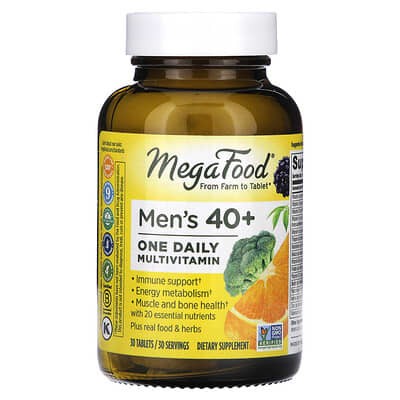
 iHerb iHerb | $ 21.99 | |
 Amazon Amazon | $ 21.99 | |
 Vitacost Vitacost | $ 23.67 | |
 Pure Formulas Pure Formulas | $ 21.99 |
The formula covers many basic vitamins and minerals in a convenient one-tablet serving. Iodine, zinc, B vitamins, vitamin D, and chromium provide maintenance-level nutritional support rather than a targeted performance effect.
The supplied data list 500 mg of boron, an amount far outside normal multivitamin use and well above the adult upper intake level. That figure may be a unit error, but supplied data are authoritative enough that use cannot be recommended without verification.
Folic acid, cyanocobalamin, and several yeast-associated minerals are serviceable but not the most specific forms. A small proprietary food-and-herb blend also hides its individual ingredients and amounts, adding uncertainty without clear depth.
The formula covers many maintenance nutrients but relies on several conventional or vaguely yeast-bound forms. The listed boron amount creates a severe safety concern that outweighs otherwise useful nutrient breadth.
Most active amounts are listed, but the extreme boron entry raises serious data-quality uncertainty. The undisclosed food-and-herb blend and absent inactive ingredients create further label gaps.
Aggregate customer metrics indicate strong satisfaction from a large sample. Missing feedback details prevent judging repeated complaints or whether experiences match the intended use.
The broad one-daily formula would offer moderate convenience value if accurately labeled. The extreme boron entry makes the product poor value until the label is verified.

The 150 mcg iodine amount supports normal thyroid hormone production, while B vitamins provide broader metabolic cofactors. Energy benefit is most relevant when iodine or another included nutrient is inadequate.
The label identifies a yeast-associated iodine source but not a precise chemical form. The broad one-daily formula covers several metabolic needs, though modest doses and an undisclosed herb blend limit depth.

Iodine, chromium, B vitamins, and vitamin D provide broad nutritional support for thyroid, glucose, and energy pathways. Most amounts suit maintenance rather than active metabolic stimulation, and a small proprietary food blend adds little verifiable depth.
The one-tablet format is coherent for nutritional coverage but does not replace focused metabolic actives. The listed boron amount is unusually high and should be verified on the label before use.

The broad vitamin and mineral formula could cover several common nutritional gaps, but the supplied label data list 500 mg of boron. That amount is far above the adult upper intake limit and creates a serious safety concern if accurate.
Use should be avoided until the boron amount is checked against the physical label or manufacturer information. Standard forms such as folic acid and cyanocobalamin also limit form quality, while the undisclosed food and herb blend adds uncertainty.
| Ingredient | Amount per serving |
|---|---|
Vitamin A (Beta Carotene) | 338 mcg RAE |
Vitamin C (organic Orange) | 60 mg |
Vitamin D3 (S. cerevisiae) | 10 mcg |
Vitamin E (D-Alpha-Tocopherol, organic Brown Rice) | 12 mg |
Vitamin K (Phytonadione) | 15 mcg |
Thiamine (Thiamine HCl) | 4 mg |
Riboflavin (organic Brown Rice) | 3 mg |
Niacin (Niacinamide) | 20 mg NE |
Vitamin B6 (Pyridoxine Hydrochloride) | 3 mg |
Folate (Folic Acid) | 680 mcg DFE |
Vitamin B12 (Cyanocobalamin) | 15 mcg |
Biotin (organic Brown Rice) | 80 mcg |
Pantothenic Acid (Calcium D-Pantothenate) | 10 mg |
Iodine (S. cerevisiae) | 150 mcg |
Zinc (S. cerevisiae) | 15 mg |
Selenium (S. cerevisiae) | 14 mcg |
Copper (S. cerevisiae) | 0.3 mg |
Manganese (S. cerevisiae) | 1 mg |
Chromium (S. cerevisiae) | 60 mcg |
Molybdenum (S. cerevisiae) | 40 mcg |
Boron (S. cerevisiae) | 500 mg |
Nourishing Food & Herb Blend | 90 mg |
The 150 mcg iodine dose is clearly disclosed and fits daily support, while the yeast-based form avoids marine contamination concerns. A one-tablet serving is convenient, but cost efficiency is only moderate for the iodine supplied. The listed 500 mg boron amount is unusually high and could pose a safety concern, so the label should be verified before use.
The yeast-derived boron form lacks a named chelate, trademarked source, or purity verification. The listed amount is far above the adult upper limit, creating a serious product-specific safety concern and suggesting the label data should be verified before use. Apparent cost efficiency per standard boron dose does not offset that dose concern.
The yeast-bound form lacks a defined chelating ligand, while no source branding adds quality verification. The low amount offers limited support beyond basic nutrition, and the amount remains comfortably within the safety limit. The above-median cost provides average broader-formula value.
Published studies used for the product analysis and the top-ranked studies for each ingredient and goal.