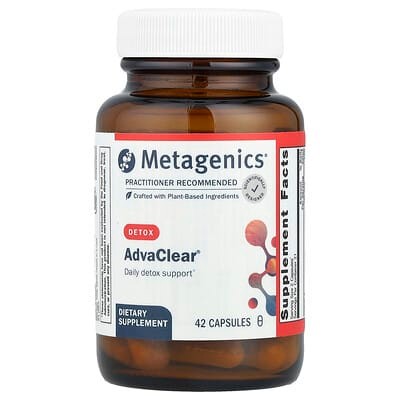
Published studies used for the product analysis and the top-ranked studies for each ingredient and goal.
- Effect of Green Tea Supplements on Liver Enzyme Elevation: Results from a Randomized Intervention Study in the United States.
Yu Z; Samavat H; Dostal AM; Wang R; Torkelson CJ; Yang CS; Butler LM; Kensler TW; Wu AH; Kurzer MS; Yuan JM · Cancer prevention research (Philadelphia, Pa.) · 2018
Randomized trial1,021 participantsflagDetoxification forscienceGreen Tea
- Liver-related safety assessment of green tea extracts in humans: a systematic review of randomized controlled trials.
Isomura T; Suzuki S; Origasa H; Hosono A; Suzuki M; Sawada T; Terao S; Muto Y; Koga T · European journal of clinical nutrition · 2018
Meta-analysis34 studies pooledflagDetoxification forscienceGreen Tea
- The Effect of Green Tea Extract Supplementation on Liver Enzymes in Patients with Nonalcoholic Fatty Liver Disease.
Pezeshki A; Safi S; Feizi A; Askari G; Karami F · International journal of preventive medicine · 2016
Randomized trial80 participantsflagDetoxification forscienceGreen Tea
- Effects of dietary supplementation with epigallocatechin-3-gallate on weight loss, energy homeostasis, cardiometabolic risk factors and liver function in obese women: randomised, double-blind, placebo-controlled clinical trial.
Mielgo-Ayuso J; Barrenechea L; Alcorta P; Larrarte E; Margareto J; Labayen I · The British journal of nutrition · 2014
Randomized trial83 participantsflagDetoxification forscienceGreen Tea
- Influence of oral contraceptives, pyridoxine (vitamin B6), and tryptophan on carbohydrate metabolism.
Adams PW; Wynn V; Folkard J; Seed M · Lancet (London, England) · 1976
Clinical trial46 participantsflagMetabolism Boost forscienceVitamin B6
- Associations of Vitamin B6 Intake and Plasma Pyridoxal 5'-Phosphate with Plasma Polyunsaturated Fatty Acids in US Older Adults: Findings from NHANES 2003-2004.
Kim H; Enrione EB; Narayanan V; Li T; Campa A · Nutrients · 2022
Cross-sectional study461 participantsflagMetabolism Boost forscienceVitamin B6
- Vitamin B6 repletion in cirrhosis with oral pyridoxine: failure to improve amino acid metabolism.
Henderson JM; Scott SS; Merrill AH; Hollins B; Kutner MH · Hepatology (Baltimore, Md.) · 1989
Single-arm trial8 participantsflagMetabolism Boost forscienceVitamin B6
- Plasma vitamin B6 vitamers before and after oral vitamin B6 treatment: a randomized placebo-controlled study.
Bor MV; Refsum H; Bisp MR; Bleie Ø; Schneede J; Nordrehaug JE; Ueland PM; Nygard OK; Nexø E · Clinical chemistry · 2003
Randomized trial90 participantsflagMetabolism Boost forscienceVitamin B6
- Pyridoxine challenge reflects pediatric hypophosphatasia severity and thereby examines tissue-nonspecific alkaline phosphatase's role in vitamin B6 metabolism.
Whyte MP; Zhang F; Mack KE; Wenkert D; Gottesman GS; Ericson KL; Cole JT; Coburn SP · Bone · 2024
Non-randomized trial149 participantsflagMetabolism Boost forscienceVitamin B6
- Comparison of efficacy of folic acid and silymarin in the management of antiepileptic drug induced liver injury: a randomized clinical trial.
Asgarshirazi M; Shariat M; Sheikh M · Hepatobiliary & pancreatic diseases international : HBPD INT · 2018
Randomized trial55 participantsflagDetoxification forscienceFolate
- Homocysteine, folate, and nonalcoholic fatty liver disease: a systematic review with meta-analysis and Mendelian randomization investigation.
Yuan S; Chen J; Dan L; Xie Y; Sun Y; Li X; Larsson SC · The American journal of clinical nutrition · 2022
Meta-analysis30,368 participants22 studies pooledflagDetoxification forscienceFolate
- Serum folate levels and urinary arsenic methylation profiles in the US population: NHANES, 2003-2012.
Zhang X; Xu X; Zhong Y; Power MC; Taylor BD; Carrillo G · Journal of exposure science & environmental epidemiology · 2020
Cross-sectional study11,016 participantsflagDetoxification forscienceFolate
- Association between serum folate levels and blood concentrations of cadmium and lead in US adults.
Wu Z; Hu H; Wang C; Wu J; Xiong Y; Fu Y; Cheng X; Su H; Li P · Environmental science and pollution research international · 2022
Cross-sectional study15,501 participantsflagDetoxification forscienceFolate
- Effects of Folic Acid Supplementation on Liver Enzymes, Lipid Profile, and Insulin Resistance in Patients with Non-Alcoholic Fatty Liver Disease: A Randomized Controlled Trial.
Molaqanbari MR; Zarringol S; Talari HR; Taghizadeh M; Bahmani F; Mohtashamian A; Ebrahimzadeh A; Sharifi N · Advanced biomedical research · 2023
Randomized trial66 participantsflagDetoxification forscienceFolate
- Therapeutic benefits of green tea extract on various parameters in non-alcoholic fatty liver disease patients.
Hussain M; Habib-Ur-Rehman; Akhtar L · Pakistan journal of medical sciences · 2024
Randomized trial80 participantsflagDetoxification forscienceGreen Tea
- Green tea with high-density catechins improves liver function and fat infiltration in non-alcoholic fatty liver disease (NAFLD) patients: a double-blind placebo-controlled study.
Sakata R; Nakamura T; Torimura T; Ueno T; Sata M · International journal of molecular medicine · 2014
Randomized trial17 participantsflagDetoxification forscienceGreen Tea
- Green tea consumption is associated with decreased DNA damage among GSTM1-positive smokers regardless of their hOGG1 genotype.
Hakim IA; Chow HH; Harris RB · The Journal of nutrition · 2008
Randomized trialflagDetoxification forscienceGreen Tea
- Modulation of human glutathione s-transferases by polyphenon e intervention.
Chow HH; Hakim IA; Vining DR; Crowell JA; Tome ME; Ranger-Moore J; Cordova CA; Mikhael DM; Briehl MM; Alberts DS · Cancer epidemiology, biomarkers & prevention : a publication of the American Association for Cancer Research, cosponsored by the American Society of Preventive Oncology · 2007
Single-arm trial42 participantsflagDetoxification forscienceGreen Tea
- Human molybdenum exposure risk in industrial regions of China: New critical effect indicators and reference dose.
Kuang HX; Li MY; Zeng XW; Chen D; Zhou Y; Zheng T; Xiang MD; Wu QZ; Chen XC; Dong GH; Yu YJ · Ecotoxicology and environmental safety · 2024
Cross-sectional study2,267 participantsflagDetoxification forscienceMolybdenum
- Supplementation with selenium can influence nausea, fatigue, physical, renal, and liver function of children and adolescents with cancer.
Vieira ML; Fonseca FL; Costa LG; Beltrame RL; Chaves CM; Cartum J; Alves SI; Azzalis LA; Junqueira VB; Pereria EC; Rocha KC · Journal of medicinal food · 2015
Randomized trialflagDetoxification forscienceSelenium
- [Selenium and oxidative stress in cancer patients].
Gorozhanskaia ÉG; Sviridova SP; Dobrovol'skaia MM; Zybrikhina GN; Kashnia ShR · Biomeditsinskaia khimiia · 2014
Single-arm trial40 participantsflagDetoxification forscienceSelenium
- Comprehensive Insights into the Health Effects of Selenium Exposure and Supplementation Among the Chinese Community Middle-Aged and Elderly: a Combined Retrospective Cohort Study and Intervention Study.
Li C; Peng X; Zheng J; Shi K; Qin L; Yang Q; Wang Z; Liu Y; Huang L · Biological trace element research · 2024
Other40 participantsflagDetoxification forscienceSelenium
- Heavy metals and metalloids exposure and liver function in Chinese adults - A nationally representative cross-sectional study.
Wang S; Lyu Y; Ji S; Liu N; Wu B; Zhao F; Li Z; Qu Y; Zhu Y; Xie L; Li Y; Zhang Z; Song H; Hu X; Qiu Y; Zheng X; Zhang W; Yang Y; Li F; Cai J; Zhu Y; Cao Z; Tan F; Shi X · Environmental research · 2024
Cross-sectional study9,445 participantsflagDetoxification forscienceSelenium
- Selenium-Biofortified Strawberries Improve Glucose Homeostasis and Hepatic Function: A 30-Day Randomized Controlled Trial in Healthy Adults.
Vasto S; Di Rosa L; Ferrantelli V; Fiore AS; Giordano CP; Cannizzaro A; Sabatino L; Macaluso A; Caldarella R; Caldara GF; Baldassano S · Nutrients · 2026
Randomized trial35 participantsflagDetoxification forscienceSelenium
- Dietary amino acid taurine ameliorates liver injury in chronic hepatitis patients.
Hu YH; Lin CL; Huang YW; Liu PE; Hwang DF · Amino acids · 2008
Non-randomized trial24 participantsflagDetoxification forscienceTaurine
- Taurine status and response to intravenous taurine supplementation in adults with short-bowel syndrome undergoing long-term parenteral nutrition: a pilot study.
Schneider SM; Joly F; Gehrardt MF; Badran AM; Myara A; Thuillier F; Coudray-Lucas C; Cynober L; Trivin F; Messing B · The British journal of nutrition · 2006
Single-arm trial32 participantsflagDetoxification forscienceTaurine
- Influence of thiamin supplementation on the health and general well-being of an elderly Irish population with marginal thiamin deficiency.
Smidt LJ; Cremin FM; Grivetti LE; Clifford AJ · Journal of gerontology · 1991
Randomized trial80 participantsflagEnergy forscienceThiamin
- Randomised clinical trial: high-dose oral thiamine versus placebo for chronic fatigue in patients with quiescent inflammatory bowel disease.
Bager P; Hvas CL; Rud CL; Dahlerup JF · Alimentary pharmacology & therapeutics · 2021
Randomized trial40 participantsflagEnergy forscienceThiamin
- Dietary reference values for thiamin.
EFSA Panel on Dietetic Products, Nutrition and Allergies (NDA); Turck D; Bresson JL; Burlingame B; Dean T; Fairweather-Tait S; Heinonen M; Hirsch-Ernst KI; Mangelsdorf I; McArdle HJ; Naska A; Nowicka G; Pentieva K; Sanz Y; Siani A; Sjödin A; Stern M; Tomé D; Van Loveren H; Vinceti M; Willatts P; Lamberg-Allardt C; Przyrembel H; Tetens I; Gudelj Rakic J; Ioannidou S; de Sesmaisons-Lecarré A; Forss AC; Neuhäuser-Berthold M · EFSA journal. European Food Safety Authority · 2026
Guideline / consensusflagEnergy forscienceThiamin
- Effects of thiamine supplementation on exercise-induced fatigue.
Suzuki M; Itokawa Y · Metabolic brain disease · 1996
Randomized trial16 participantsflagEnergy forscienceThiamin
- Long-term maintenance treatment with 300 mg thiamine for fatigue in patients with inflammatory bowel disease: results from an open-label extension of the TARIF study.
Bager P; Hvas CL; Rud CL; Dahlerup JF · Scandinavian journal of gastroenterology · 2022
Randomized trialflagEnergy forscienceThiamin
- Effect of green tea on glucose control and insulin sensitivity: a meta-analysis of 17 randomized controlled trials.
Liu K; Zhou R; Wang B; Chen K; Shi LY; Zhu JD; Mi MT · The American journal of clinical nutrition · 2013
Meta-analysis1,133 participants17 studies pooledflagMetabolism Boost forscienceGreen Tea
- Green tea extract ingestion, fat oxidation, and glucose tolerance in healthy humans.
Venables MC; Hulston CJ; Cox HR; Jeukendrup AE · The American journal of clinical nutrition · 2008
Randomized trial23 participantsflagMetabolism Boost forscienceGreen Tea
- Efficacy of a green tea extract rich in catechin polyphenols and caffeine in increasing 24-h energy expenditure and fat oxidation in humans.
Dulloo AG; Duret C; Rohrer D; Girardier L; Mensi N; Fathi M; Chantre P; Vandermander J · The American journal of clinical nutrition · 1999
Randomized trial10 participantsflagMetabolism Boost forscienceGreen Tea
- A 60-Day Green Tea Extract Supplementation Counteracts the Dysfunction of Adipose Tissue in Overweight Post-Menopausal and Class I Obese Women.
Rondanelli M; Gasparri C; Perna S; Petrangolini G; Allegrini P; Fazia T; Bernardinelli L; Cavioni A; Mansueto F; Oberto L; Patelli Z; Tartara A; Riva A · Nutrients · 2022
Randomized trial28 participantsflagMetabolism Boost forscienceGreen Tea
- Epigallocatechin gallate alleviates non-alcoholic fatty liver disease through the inhibition of the expression and activity of Dipeptide kinase 4.
Yang M; Yan R; Sha R; Wang X; Zhou S; Li B; Zheng Q; Cao Y · Clinical nutrition (Edinburgh, Scotland) · 2024
Randomized trialflagMetabolism Boost forscienceGreen Tea
- Taurine supplementation as a therapeutic strategy for cellular senescence and chronic inflammation in long COVID: a systematic review and meta-analysis.
Wang K; Ma CH; Khoramjoo M; Kung JY; Oudit GY · BMC infectious diseases · 2026
Meta-analysis1,030 participants27 studies pooledflagMetabolism Boost forscienceTaurine
- Effect of Long-Term Taurine Supplementation on the Lipid and Glycaemic Profile in Adults with Overweight or Obesity: A Systematic Review and Meta-Analysis.
Sun Q; Wang J; Wang H; Yu H; Wan K; Ma F; Wang R · Nutrients · 2025
Meta-analysis9 studies pooledflagMetabolism Boost forscienceTaurine
- The effects of taurine supplementation on obesity, blood pressure and lipid profile: A meta-analysis of randomized controlled trials.
Guan L; Miao P · European journal of pharmacology · 2021
Meta-analysis12 studies pooledflagMetabolism Boost forscienceTaurine
- Beneficial effects of taurine on serum lipids in overweight or obese non-diabetic subjects.
Zhang M; Bi LF; Fang JH; Su XL; Da GL; Kuwamori T; Kagamimori S · Amino acids · 2005
Randomized trial30 participantsflagMetabolism Boost forscienceTaurine
- Use of skeletal muscle fiber composition to assess relationship between amino acid metabolism and insulin sensitivity.
Magnusson TE; Blackwood SJ; Tischer D; Strmeň T; Pontén M; Edman S; Horwath O; Apró W; Moberg M; Chorell E; Katz A · European journal of endocrinology · 2025
Cross-sectional study36 participantsflagMetabolism Boost forscienceTaurine