Chromium

mineral

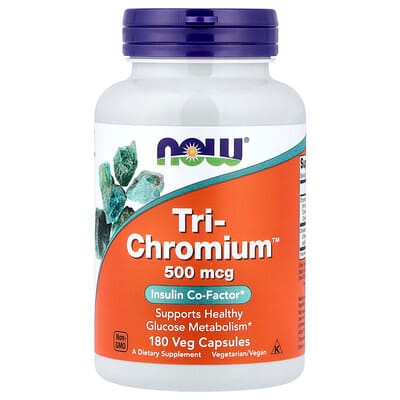
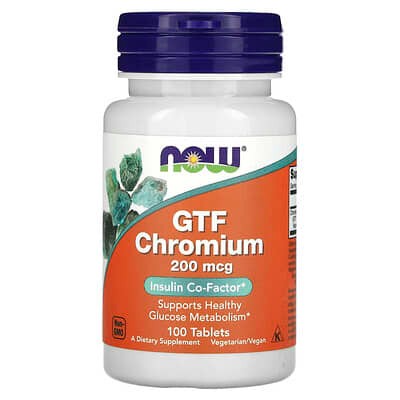
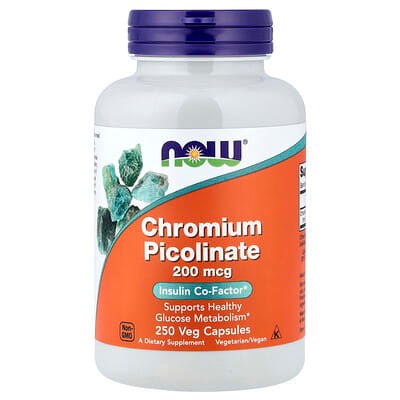
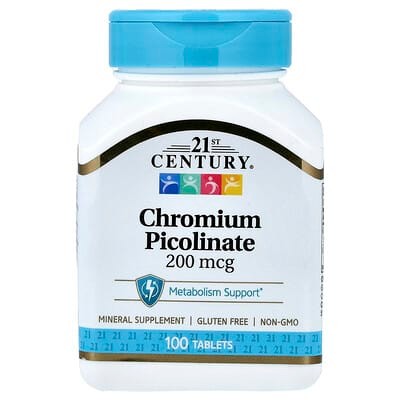
Chromium is an essential trace mineral involved in the metabolism of carbohydrates, fats, and proteins. It enhances the action of insulin, the hormone that helps glucose enter cells and regulates blood sugar levels. Trivalent chromium (Cr3+) is the most bioavailable form used in supplements. Common forms include chromium picolinate, chromium polynicotinate, and chromium chloride. Its precise mechanism is still being investigated: chromium is believed to form part of chromodulin, a molecule that helps insulin bind to cell receptors and improves glucose utilization. Researchers study chromium for its potential to support blood sugar management, particularly in people with insulin resistance or type 2 diabetes. It also contributes to healthy lipid profiles and may play a role in appetite regulation and body weight management.

Natural sources
Whole grainsBroccoliGreen beansPotatoesMeat (beef, poultry)ApplesBananasGrapesOrange juiceSome spices

Ingredient forms

No public comparison lists found.

Timing & Intake
AnytimeWith foodTake with Preferably taken with meals to minimize potential stomach upset and align with its role in metabolism.
Daily Intake
RDA (Men)35 mcg
RDA (Women)25 mcg
RDI35 mcg
Optimal Dosage
Minimum100 mcg
Maximum400 mcg
Safety & Toxicity
Upper Limit (UL)1000 mcg
Toxicity Threshold1200 mcg
Toxicity EffectKidney damage, liver dysfunction
3 safety notes
  • Individuals with kidney or liver disease should consult a healthcare professional before taking chromium supplements.
  • Diabetics or those on medications for blood sugar control should monitor blood glucose levels closely and consult a doctor, as chromium can enhance the effects of these medications and potentially lead to hypoglycemia.
  • Pregnant or breastfeeding women should consult a healthcare provider before use.
Goals
Metabolism Boost
Impact
Situational effect
Typical dose:200–1000 mcg

Chromium is a component of a molecule called chromodulin, which helps insulin bind to its receptors on cells. This improves glucose uptake and utilization, which can help manage cravings and prevent the metabolic slowdown associated with poor blood sugar control.

Focuses on
Insulin function supportGlucose metabolismNutrient processingBlood sugar stabilityCravings management
Most relevant for
Individuals with blood sugar imbalances or specific conditions like PCOS or type 2 diabetes seeking to support glucose processing.

Potential benefits

  • Glucose Regulation.Research suggests chromium may improve fasting blood glucose and long-term blood sugar markers specifically in individuals with type 2 diabetes or impaired glucose tolerance.
  • Insulin Sensitivity in PCOS.Some clinical meta-analyses indicate that chromium supplementation may help lower insulin resistance markers in women with polycystic ovary syndrome.
  • Resting Metabolic Rate.Unconfirmed. While intended to boost metabolism, there is no clinical evidence that chromium increases resting metabolic rate or calorie burning in healthy adults, and this effect remains unproven.

Limitations

  • No Benefit for Healthy Adults.Multiple controlled trials show that chromium provides no significant metabolic or glucose benefits for non-diabetic, non-obese individuals with normal chromium levels.
  • Ineffective for Caloric Burning.Studies focusing on weight-training and exercise found that chromium does not significantly alter resting metabolic rate or body composition.
  • Inconsistent Research Findings.Meta-analyses report conflicting results; some suggest benefits for blood sugar in diabetics, while others find no significant effect on fasting insulin or weight.
Things to consider

High serum chromium levels have been associated with a paradoxical worsening of insulin sensitivity in healthy individuals. Long-term safety is uncertain; individuals with kidney disease should exercise caution as kidney function monitoring is recommended.

Study evidence

47 studies

Chromium has mixed evidence for improving blood sugar regulation in people with diabetes or certain metabolic conditions. That does not establish a general metabolism boost: research has not shown a reliable increase in resting calorie expenditure or consistent metabolic benefits in otherwise healthy adults.

View goal
Weight Loss
Impact
Situational effect
Typical dose:200–1000 mcg

Chromium is a component of 'glucose tolerance factor,' a molecule that enhances the action of insulin. For individuals with some degree of insulin resistance, supplementation can lead to more stable blood sugar, reducing the energy crashes that often trigger cravings for sugary foods.

Focuses on
Body weight reductionBody fat percentageBMI managementInsulin sensitivityMetabolic health
Most relevant for
Adults with overweight or obesity, particularly those managing metabolic conditions like polycystic ovary syndrome.

Potential benefits

  • Modest weight reduction.Meta-analyses of clinical trials show a small average weight loss of approximately 0.75 kg (about 1.6 lbs) in individuals with overweight or obesity.
  • Support for PCOS.Supplementation may help lower body mass index and improve fasting insulin levels specifically in women with polycystic ovary syndrome.
  • Body fat management.Some studies indicate a small reduction in body fat percentage, though this effect is often more notable in short-term use under 12 weeks.

Limitations

  • Limited clinical significance.The average weight loss observed in research is minimal, and its practical importance as a primary weight-loss tool is considered uncertain.
  • Inconsistent effectiveness.Multiple studies in healthy overweight adults or those following structured exercise programs have found no significant weight loss benefit over placebo.
  • Variable response.Evidence is mixed; while some trials show benefits for specific metabolic conditions, other research found no effect in obese, non-diabetic populations.
Things to consider

Individuals taking insulin or oral diabetes medications should monitor blood sugar closely, as chromium may increase the risk of hypoglycemia.

Study evidence

24 studies

Chromium may produce a small average reduction in weight, but individual trials often find no benefit and the practical importance is uncertain. Favorable findings in specific metabolic conditions do not establish substantial or reliable weight loss for most people.

View goal

Studies

Research connections will load here.
Sources

Up to five highest-ranked published examples per goal. Study counts and charts include all published studies for the connection.

  1. Elevated intakes of supplemental chromium improve glucose and insulin variables in individuals with type 2 diabetes.
    Anderson RA; Cheng N; Bryden NA; Polansky MM; Cheng N; Chi J; Feng J · Diabetes · 1997
    Randomized trial180 participantsMetabolism Boost
  2. Chromium Supplementation and the Effects on Metabolic Status in Women with Polycystic Ovary Syndrome: A Randomized, Double-Blind, Placebo-Controlled Trial.
    Jamilian M; Asemi Z · Annals of nutrition & metabolism · 2016
    Randomized trial64 participantsMetabolism Boost
  3. A Comprehensive insight into the effect of chromium supplementation on oxidative stress indices in diabetes mellitus: A systematic review.
    Kooshki F; Tutunchi H; Vajdi M; Karimi A; Niazkar HR; Shoorei H; Pourghassem Gargari B · Clinical and experimental pharmacology & physiology · 2024
    Systematic review33 studies pooledMetabolism Boost
  4. Comparison of nutritional supplements in improving glycolipid metabolism and endocrine function in polycystic ovary syndrome: a systematic review and network meta-analysis.
    Hu X; Wang W; Su X; Peng H; Tan Z; Li Y; Huang Y · PeerJ · 2023
    Meta-analysis2,362 participants41 studies pooledMetabolism Boost
  5. [Chromium supplementation in patients with type 2 diabetes and high risk of type 2 diabetes: a meta-analysis of randomized controlled trials].
    San Mauro-Martin I; Ruiz-León AM; Camina-Martín MA; Garicano-Vilar E; Collado-Yurrita L; Mateo-Silleras Bd; Redondo Del Río Mde P · Nutricion hospitalaria · 2017
    Meta-analysis13 studies pooledMetabolism Boost
  6. The Influences of Chromium Supplementation on Metabolic Status in Patients with Type 2 Diabetes Mellitus and Coronary Heart Disease.
    Farrokhian A; Mahmoodian M; Bahmani F; Amirani E; Shafabakhsh R; Asemi Z · Biological trace element research · 2021
    Randomized trial64 participantsWeight Loss
  7. Chromium picolinate supplementation attenuates body weight gain and increases insulin sensitivity in subjects with type 2 diabetes.
    Martin J; Wang ZQ; Zhang XH; Wachtel D; Volaufova J; Matthews DE; Cefalu WT · Diabetes care · 2006
    Randomized trial37 participantsWeight Loss
  8. Chromium picolinate reduces insulin resistance in polycystic ovary syndrome: Randomized controlled trial.
    Ashoush S; Abou-Gamrah A; Bayoumy H; Othman N · The journal of obstetrics and gynaecology research · 2017
    Randomized trial100 participantsWeight Loss
  9. Chromium supplementation and polycystic ovary syndrome: A systematic review and meta-analysis.
    Fazelian S; Rouhani MH; Bank SS; Amani R · Journal of trace elements in medicine and biology : organ of the Society for Minerals and Trace Elements (GMS) · 2018
    Meta-analysis351 participants7 studies pooledWeight Loss
  10. Chromium picolinate balances the metabolic and clinical markers in nonalcoholic fatty liver disease: a randomized, double-blind, placebo-controlled trial.
    Kooshki F; Moradi F; Karimi A; Niazkar HR; Khoshbaten M; Maleki V; Pourghassem Gargari B · European journal of gastroenterology & hepatology · 2021
    Randomized trial46 participantsWeight Loss