Impact
High effect
Typical dose:250–1000 mg
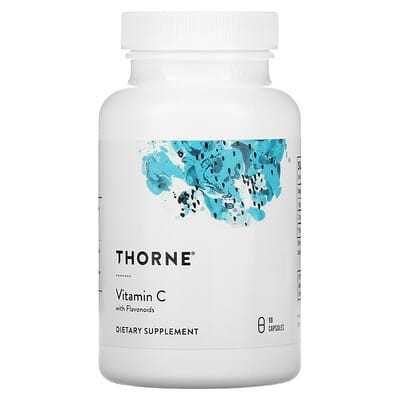
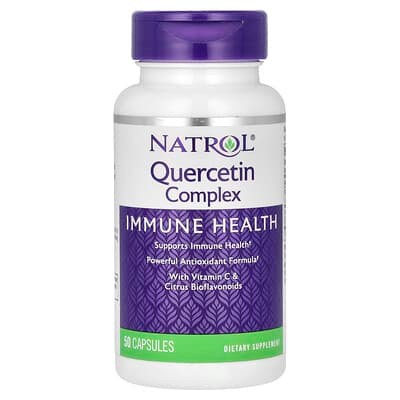
Flavonoids, such as quercetin, can reduce the release of histamine and other inflammatory mediators from mast cells in the gut, calming reactivity. They also reinforce tight junctions and reduce oxidative stress, contributing to a healthier gut barrier.
Study evidence
9 studiesSome specific flavonoid preparations can relieve digestive symptoms, but flavonoids are a broad family with different effects. Evidence from gut-microbe changes and dietary associations does not establish that flavonoid supplements generally improve digestion or prevent digestive disease.
View goal