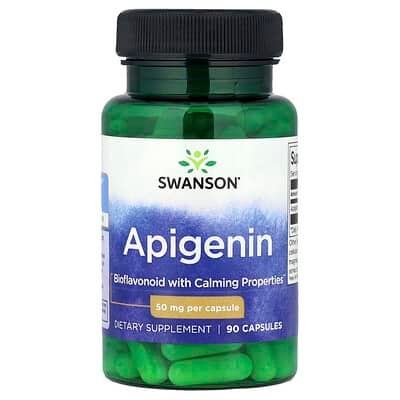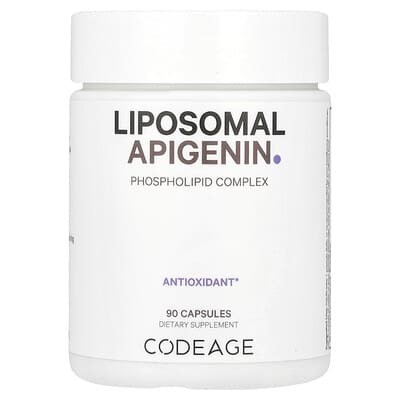
Apigenin has been shown to inhibit the enzyme CD38, which is a primary consumer of NAD+, thereby helping to preserve NAD+ levels essential for mitochondrial function and DNA repair. It also shows promise in helping the body clear senescent 'zombie' cells that contribute to aging. Additionally, it binds to GABA receptors in the brain, promoting relaxation and deeper sleep.
- Focuses on
- Most relevant for
- Individuals interested in dietary antioxidants that correlate with slower biological aging markers and topical skin health.
Potential benefits
- Biological Aging Markers.Unconfirmed. Large-scale observational data links higher dietary apigenin intake to slower biological aging markers, though it is unproven if concentrated supplements provide a similar benefit.
- Skin Appearance.Unconfirmed. Clinical research on topical apigenin suggests it can improve skin density and reduce fine wrinkles, but these effects have not been established for oral supplementation.
- Cellular Health.Unconfirmed. Laboratory studies indicate apigenin may protect against cellular senescence and collagen breakdown, though human evidence for these systemic anti-aging effects is currently unavailable.
Limitations
- Lack of Interventional Data.Most human evidence for systemic aging is derived from cross-sectional dietary surveys, which cannot establish a cause-and-effect relationship for apigenin supplements.
- Delivery Method Differences.Results from topical skin studies cannot be used to predict the effectiveness of oral apigenin for skin health or systemic aging.
- Unproven Longevity.There is currently no clinical evidence that apigenin supplementation extends human lifespan or prevents age-related functional decline.
Things to consider
Apigenin may promote relaxation and deeper sleep by binding to GABA receptors, which should be considered when determining the timing of intake.
Study evidence
3 studiesApigenin has promising links to healthy aging, but the evidence concerns dietary associations and a skin cream. It does not establish that taking an apigenin supplement slows biological aging, extends life, or produces the skin benefits seen with topical use.