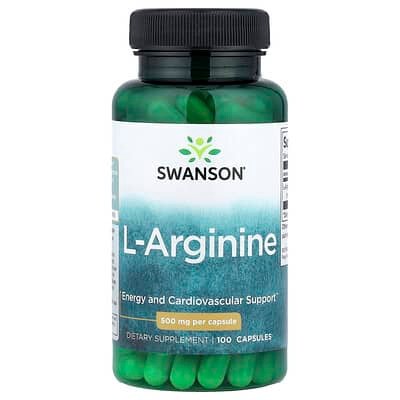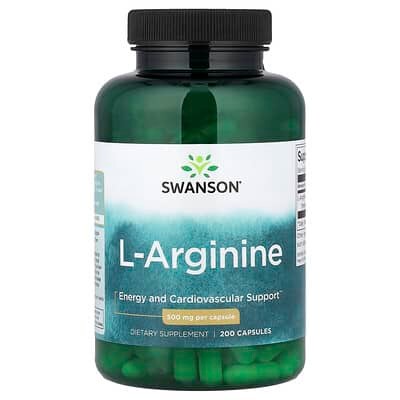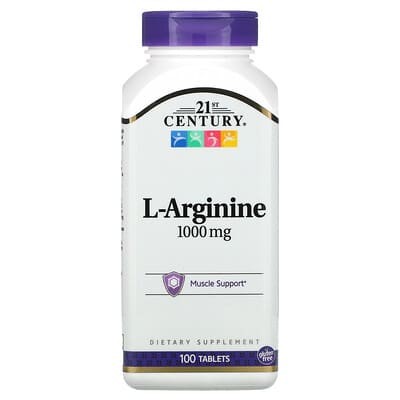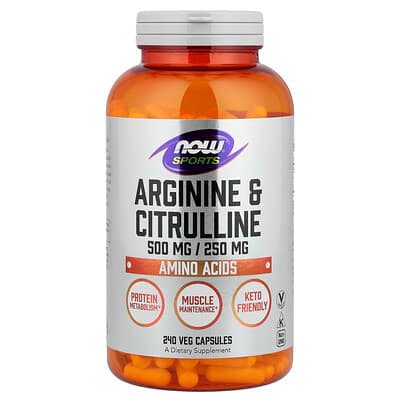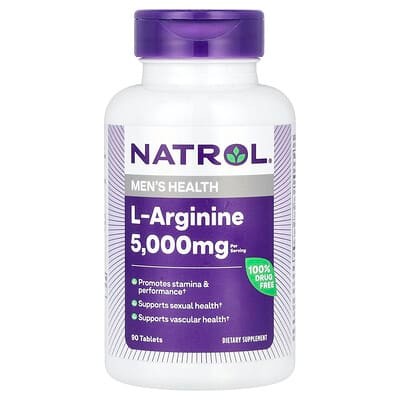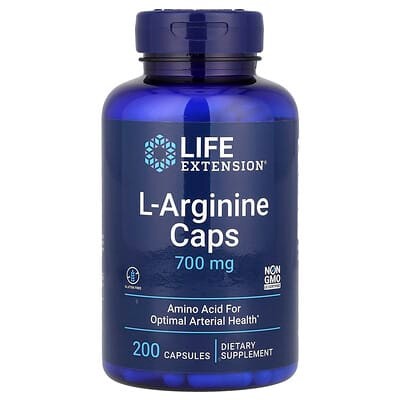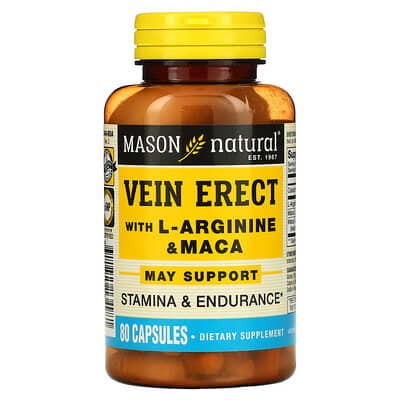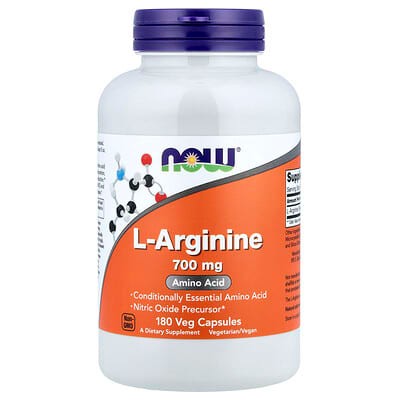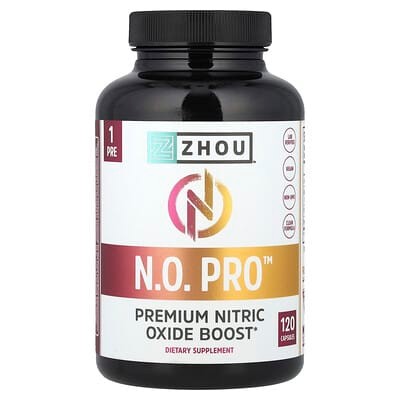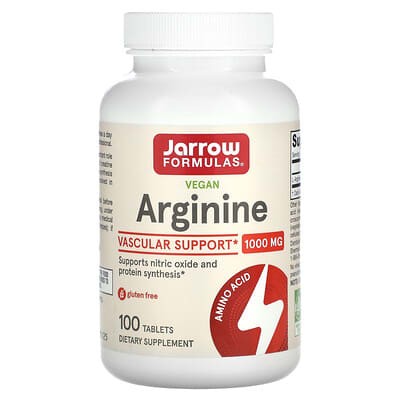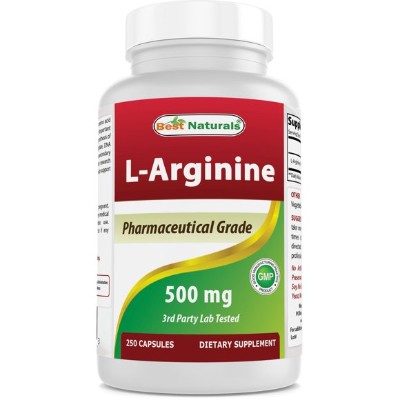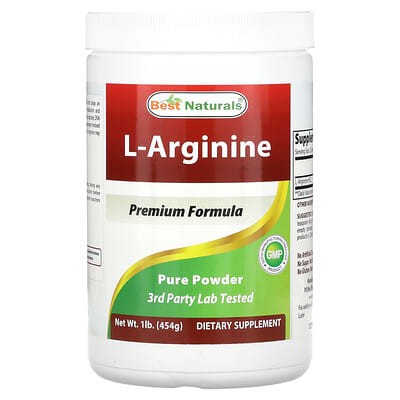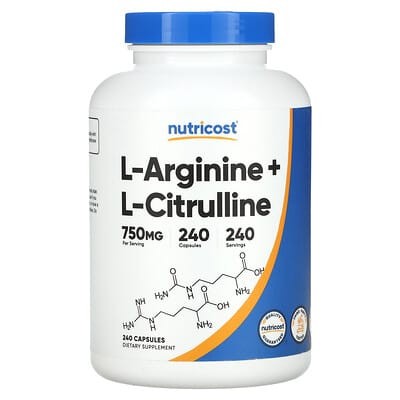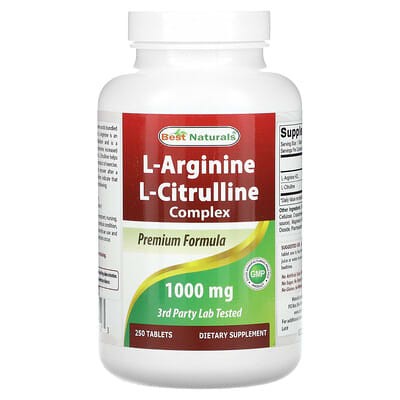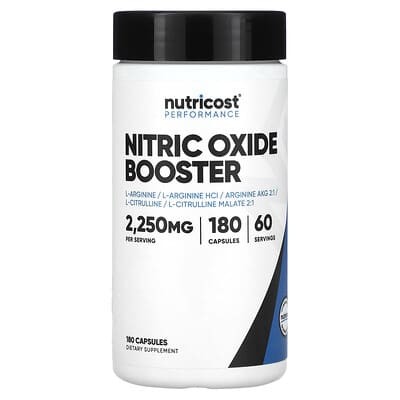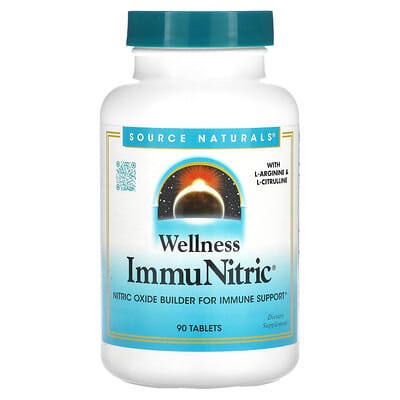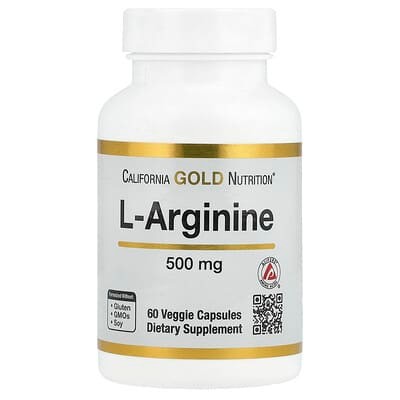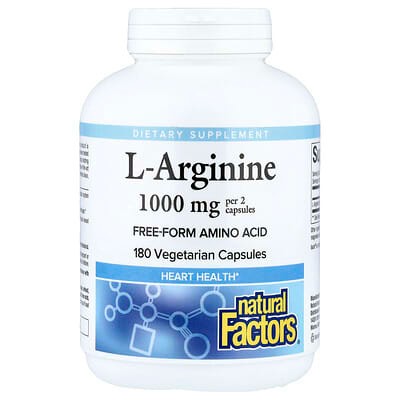
L-Arginine is a critical substrate for nitric oxide synthase (NOS), the enzyme responsible for producing nitric oxide (NO). NO is a potent vasodilator, meaning it helps relax and widen blood vessels. This improved vasodilation supports healthy blood pressure, enhances circulation throughout the body, and contributes to overall cardiovascular well-being.
- Focuses on
- Most relevant for
- Individuals seeking to support healthy blood pressure and blood vessel function, particularly if baseline vessel dilation is impaired.
Potential benefits
- Blood Pressure Reduction.Meta-analyses of clinical trials indicate that oral arginine can significantly lower 24-hour ambulatory systolic and diastolic blood pressure levels.
- Improved Vessel Dilation.Supplementation may enhance flow-mediated dilation, a measure of how well blood vessels relax, especially in individuals with low baseline vascular function.
- Triglyceride Support.Research suggests that arginine can help reduce serum triglyceride levels, although it does not consistently improve overall cholesterol profiles.
Limitations
- Inconsistent Vascular Benefits.Improvement in blood vessel function is often absent in healthy individuals or those with specific conditions like Type 1 diabetes or chronic renal failure.
- No Proven Event Prevention.Clinical trials have not demonstrated that arginine supplementation reduces the risk of major cardiovascular events, such as heart attacks or strokes.
- Context-Dependent Results.The impact on nitric oxide markers and blood flow varies significantly across different populations and dosages, with several studies showing no effect.
Things to consider
Use with caution if you have significant cardiovascular risk factors; some research suggests it may impair microvascular function in older adults or increase risks following a heart attack.
Study evidence
47 studiesArginine may lower blood pressure and improve some measures of blood vessel function, particularly when function is impaired. However, results vary, protection against cardiovascular events is unproven, and adverse findings in people with cardiovascular risk prevent a broad claim of benefit.