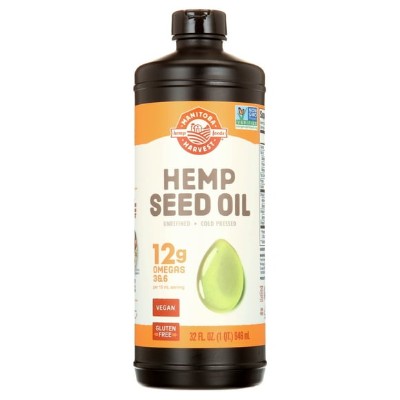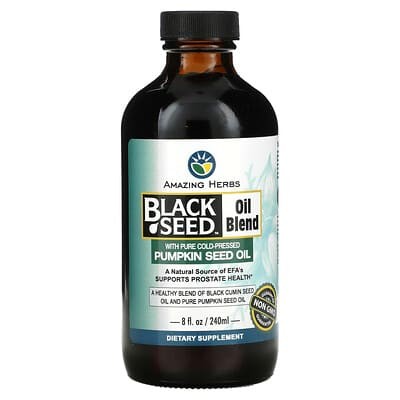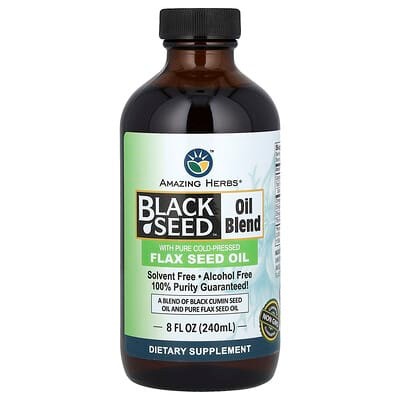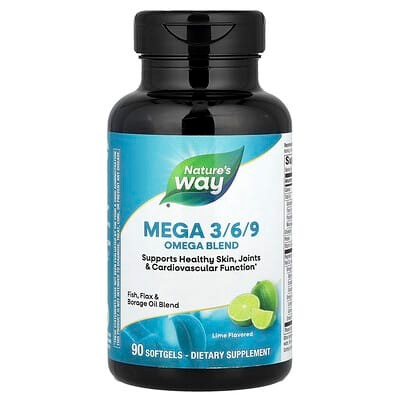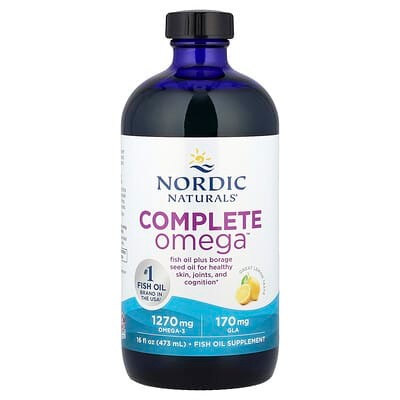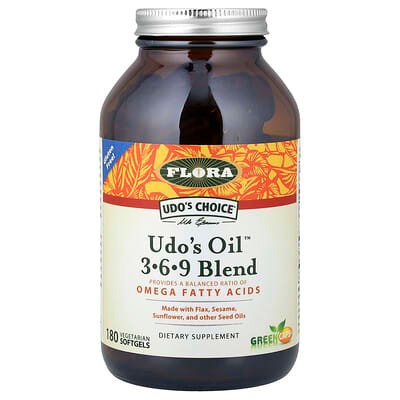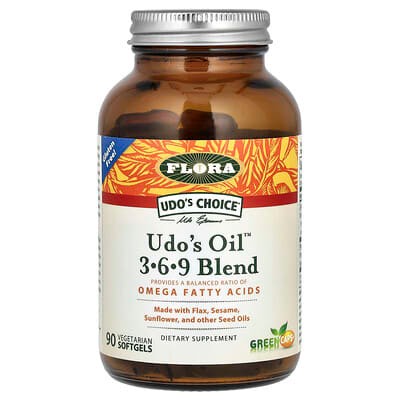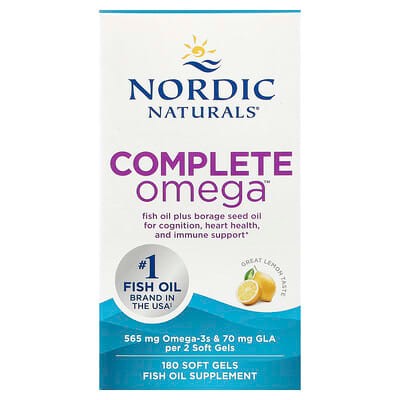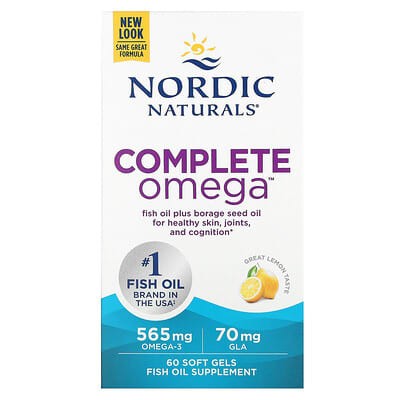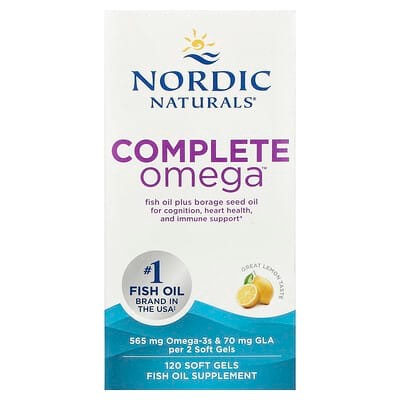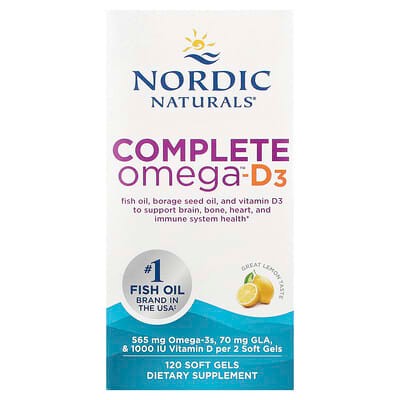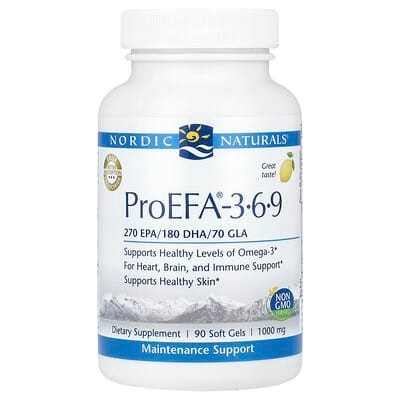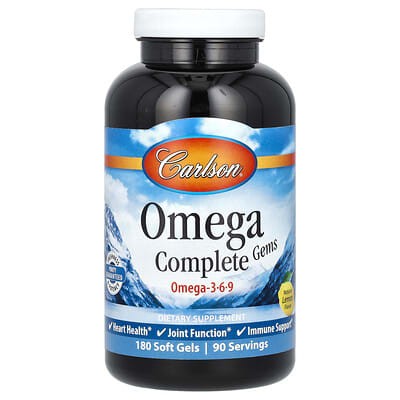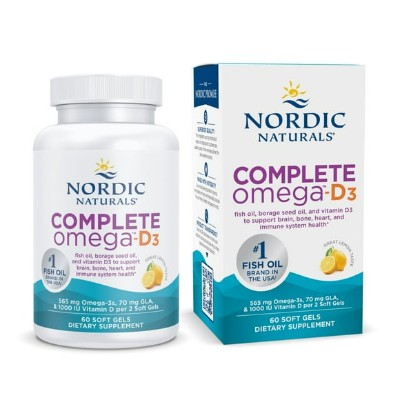
The omega-6 fatty acid linoleic acid is a direct precursor to ceramides, which are vital for a healthy skin barrier and moisture retention. While essential, most modern diets contain sufficient or excessive amounts of omega-6. Supplementation is only beneficial if intake is low or to obtain specific forms like GLA.
- Focuses on
- Most relevant for
- Individuals looking to manage specific skin conditions like chronic dryness or rosacea using targeted forms of omega-6 like GLA or topical applications.
Potential benefits
- Supportive Care for Atopic Dermatitis.Topical omega-6 skin therapy has been shown to significantly reduce the severity of skin dryness (xerosis) and improve quality of life in people with atopic dermatitis.
- Hydration in Rosacea.Specific omega-6 supplements like gamma-linolenic acid (GLA) may improve skin hydration and reduce transepidermal water loss when used alongside standard medical treatments for rosacea.
- Skin Barrier Precursor.Unconfirmed. Linoleic acid is a vital component for ceramide production and moisture retention, though general oral supplementation is not yet proven to enhance healthy skin beyond these specific conditions.
Limitations
- Potential Link to Acne.Genetic and observational research suggests that high levels of linoleic acid and an elevated omega-6 to omega-3 ratio are associated with an increased risk of developing acne.
- Mixed Skin Cancer Associations.Large cohort studies have found inconsistent links between high omega-6 intake and skin cancer, with some data suggesting a potential modest increase in risk for certain types.
- Inconsistent Maternal Effects.Research on whether high maternal omega-6 levels during pregnancy protect against or contribute to childhood eczema has produced conflicting results.
Things to consider
Maintaining a balanced ratio of omega-6 to omega-3 is important, as excessive omega-6 intake has been associated with increased risks for inflammatory skin conditions and potential long-term health concerns in observational studies.
Study evidence
9 studiesCertain omega-6 formulations may help specific skin problems, including dryness or rosacea, but these findings do not establish a general benefit from omega-6 supplements. Dietary and blood-level research is mixed and includes unfavorable associations that cannot be treated as proof of supplement harm.