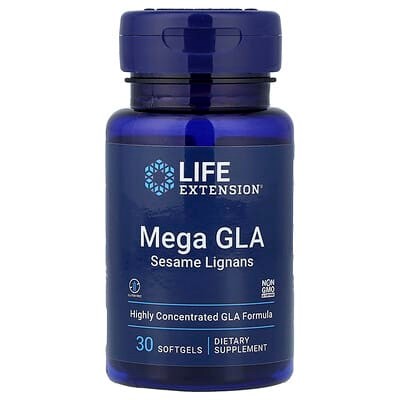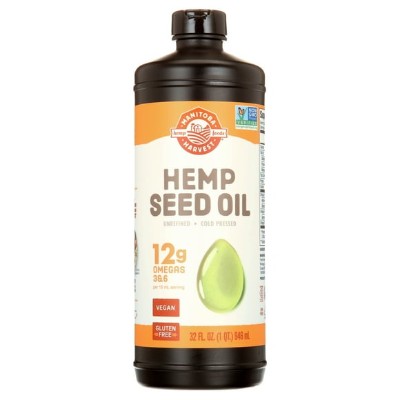
Unlike other omega-6s, GLA (from sources like borage or evening primrose oil) uniquely converts into anti-inflammatory prostaglandins. This makes it highly effective for conditions characterized by inflammation and immune dysregulation, such as rheumatoid arthritis and eczema. Its targeted mechanism places it in the high-impact tier.
- Focuses on
- Most relevant for
- Individuals seeking to manage symptoms of rheumatoid arthritis through concentrated GLA supplementation.
Potential benefits
- Arthritis Symptom Reduction.High doses of GLA, typically 1.4g to 2.8g daily, have shown potential to reduce joint pain, tenderness, and morning stiffness in those with rheumatoid arthritis.
- Support for Medication Reduction.Some clinical evidence suggests that long-term supplementation may allow for a reduction in the use of non-steroidal anti-inflammatory drugs (NSAIDs) under medical supervision.
- Anti-Inflammatory Precursor.GLA is converted into DGLA, which acts as a precursor to anti-inflammatory prostaglandins like PGE1, potentially counteracting pro-inflammatory mediators.
Limitations
- Dose Dependency.Clinical effectiveness is highly dose-sensitive; trials using lower amounts, such as 500mg daily, often find no significant benefit compared to placebo.
- No Disease Modification.Current research indicates that GLA provides symptom relief but does not appear to slow the progression of joint damage or modify the underlying disease process.
- Genetic Variability.Individual genetic differences in the FADS gene cluster can significantly impact how efficiently GLA is metabolized into anti-inflammatory compounds.
Things to consider
Benefits for general inflammation in healthy individuals are unproven, and metabolism of GLA varies based on genetic background. High doses required for arthritis relief may require many standard oil capsules.
Study evidence
7 studiesGamma Linolenic Acid may ease some symptoms of rheumatoid arthritis, but findings vary and do not establish broad anti-inflammatory benefits. Much of the evidence concerns GLA-containing oils, with less certainty about lasting effects on the disease itself.