
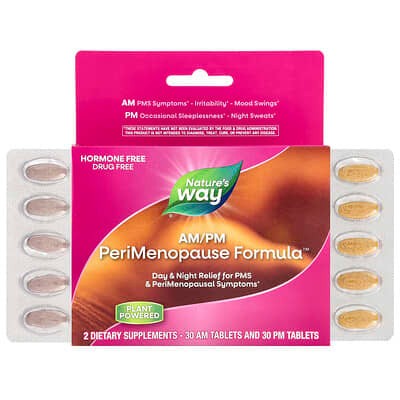

$18.52 $0.61 per serving


Product analysis
AM Formula may offer a modest short-term lift in alertness, with a possible stress-related fatigue contribution from rhodiola. Incomplete extract details and relatively costly rhodiola limit the case for the combination.
AI assessment of the formula, label and price. How scoring works
Nutrient Quality23
Several botanical constituents are named, but they do not establish equivalent preparations across products. The rhodiola species and green tea preparation remain insufficiently specified for a confident quality comparison.
Ingredient Transparency73
The listed botanical amounts and several marker constituents are disclosed. Green tea preparation details and the full rhodiola constituent breakdown remain unclear.
Value For Money28
The rhodiola contribution is relatively expensive for a comparable amount. Green tea value is uncertain because its active constituent amount is not established.
Customer Satisfaction72
Customer ratings are generally favorable. The relatively modest review pool gives a narrower picture than a large body of feedback.
Product Focus60
Short-term alertness and a possible stress-related fatigue role provide the clearest purpose. The wider mood, memory and aging uses have less direct support.
- Format
Tablet - Container
- 30 Tablet(s)
- Per serving
- $0.61
- Customer rating
- 4.5 · 440 ratings
Goals

Impact
High effect
Caffeine can increase immediate alertness and reduce sleepiness. The declared 50 mg per serving makes a partial contribution and is below the supplied 75 mg reviewed alertness reference; no additional caffeine is inferred from botanical mass. Rhodiola receives a fallback contribution, but its unidentified preparation cannot inherit the limited fatigue findings for SHR-5.
How this product is rated for Energy
Ingredient fit61
Caffeine provides the clearest alertness contribution; rhodiola's preparation limits transfer of its fatigue evidence. Amounts contribute at differing levels.
Goal fit
Caffeine provides the clearest alertness contribution; rhodiola's preparation limits transfer of its fatigue evidence.
Dose adequacy
The 50 mg caffeine serving contributes partially; rhodiola receives a fallback amount contribution without matching the studied extract.
Pathways40
The strongest saved contribution concerns alertness, with limited breadth across the other energy areas.
Depth
The strongest saved contribution concerns alertness; this does not establish broad daily vitality.
Breadth
Only alertness reaches the saved coverage requirement; the other energy areas have less or no coverage.
Evidence94
Caffeine supplies the leading saved evidence contribution. Its specific nutritional, population or preparation limitations constrain expected benefit.
Evidence strength
Caffeine supplies the leading saved evidence contribution, without establishing unconditional improvement in everyday energy.
Studied preparation
Rhodiola does not meet the studied-preparation check; caffeine does.
Formulation logic100
The retained contributors need no missing partner under the supplied checks. No configured conflict was found.
Partner coverage
The retained contributors need no additional partner under the supplied checks; no extra combination benefit is established.
Conflicts
No configured conflict was found; the supplied checks do not assess every possible interaction.
Effective doses
Every retained contributor reaches the saved minimum amount condition; this is distinct from demonstrating an effective fatigue-treatment regimen.

Impact
Moderate effect
Rhodiola's connection to stress-related fatigue is clearer than its connection to everyday mood. Feeling less fatigued and having a better emotional outlook are different outcomes, so a fatigue benefit shouldn't be read as a promise of improved mood. The declared rhodiola extract amount doesn't remove that uncertainty, and its preparation can't be treated as interchangeable with every other rhodiola extract.
How this product is rated for Mood Support
Ingredient fit47
Rhodiola relates to stress-associated fatigue, but a direct everyday mood benefit remains unclear.
Goal fit
Rhodiola relates to stress-associated fatigue, but a direct everyday mood benefit remains unclear.
Dose adequacy
Rhodiola: 205 mg per serving.
Pathways16
The main connection concerns the stress response; that alone does not show a direct emotional benefit.
Depth
The main connection concerns the stress response; that alone does not show a direct emotional benefit.
Breadth
The available ingredient effects do not give a broad basis for expecting mood improvement.
Evidence84
Rhodiola relates to stress-associated fatigue, but a direct everyday mood benefit remains unclear.
Evidence strength
Rhodiola relates to stress-associated fatigue, but a direct everyday mood benefit remains unclear.
Studied preparation
The declared ingredients have relevant preparation information, but that does not guarantee the same emotional effect for every user.
Formulation logic100
The individual ingredient roles do not require an extra partner. No particular ingredient conflict is identified.
Partner coverage
No additional ingredient is required for the individual roles described here; this does not imply an extra benefit from combining them.
Conflicts
No particular conflict between the declared ingredients is identified.
Effective doses
Rhodiola: 205 mg per serving; these amounts do not by themselves guarantee a mood benefit.

Impact
High effect
Rhodiola may help stress-related fatigue, with the selected serving supplying an identified extract standardized to rosavins and salidroside. Findings remain extract-specific and include weaker study designs, so broad everyday benefit is uncertain. Caffeine is also present at 50 mg per serving; no configured conflict was triggered.
How this product is rated for Stress Relief
Ingredient fit63
The formula also contains ingredients aimed at other goals, reducing its focus on stress relief. The relevant ingredient amounts reach the full comparison level for this selected serving.
Goal fit
The formula also contains ingredients aimed at other goals, reducing its focus on stress relief.
Dose adequacy
The relevant ingredient amounts reach the full comparison level for this selected serving.
Pathways46
The clearest emphasis is stress-hormone regulation. Meaningful coverage includes stress-hormone regulation.
Depth
The strongest emphasis is stress-hormone regulation; this describes the ingredients’ coverage, not a guaranteed benefit.
Breadth
The meaningful coverage spans stress-hormone regulation.
Evidence76
Rhodiola supplies the strongest relevant support. The relevant preparations satisfy the supplied preparation comparison, without guaranteeing the same benefit.
Evidence strength
Rhodiola provides the strongest support among the ingredients with meaningful amounts; its specific limitations still apply.
Studied preparation
The relevant preparations satisfy the supplied preparation comparison, without guaranteeing the same benefit.
Formulation logic100
The relevant ingredients can contribute independently or have their identified supporting partners. The included amounts all make meaningful comparison contributions.
Partner coverage
The relevant ingredients can contribute independently or have their identified supporting partners.
Conflicts
The declared caffeine amount does not trigger a configured conflict in this selected serving.
Effective doses
All ingredients included in the amount check make a meaningful comparison contribution in this selected serving.
Impact
Moderate effect
Caffeine at 50 mg relates to short-term alertness and attention. Rhodiola at 205 mg has a more limited link through stress-related fatigue; the supplied evidence concerns a particular extract and people with diagnosed fatigue, so a broad memory benefit remains uncertain.
How this product is rated for Brain Health
Ingredient fit51
The saved findings identify 1 relevant ingredients and 2 other active ingredients (Black Cohosh, Chastetree). The saved findings show partial alignment of disclosed amounts with the comparison amounts.
Goal fit
The saved findings identify 1 relevant ingredients and 2 other active ingredients (Black Cohosh, Chastetree).
Dose adequacy
The saved findings show partial alignment of disclosed amounts with the comparison amounts.
Pathways16
The strongest identified area is Stress and arousal regulation. 0 of 3 areas reach the saved coverage threshold.
Depth
The strongest identified area is Stress and arousal regulation.
Breadth
0 of 3 areas reach the saved coverage threshold.
Evidence82
Rhodiola provides the strongest eligible evidence contribution in the saved findings. The saved findings match the eligible preparations to studied preparations.
Evidence strength
Rhodiola provides the strongest eligible evidence contribution in the saved findings.
Studied preparation
The saved findings match the eligible preparations to studied preparations.
Formulation logic100
The assessed ingredients can work alone or have their identified partner present. No matched ingredient conflict was recorded. 1 of 1 assessed ingredients reach the saved minimum comparison amount.
Partner coverage
The assessed ingredients can work alone or have their identified partner present.
Conflicts
No matched ingredient conflict was recorded.
Effective doses
1 of 1 assessed ingredients reach the saved minimum comparison amount.

Impact
Moderate effect
Caffeine at 50 mg may support alertness and attention. Rhodiola at 205 mg adds a possible fatigue and stress-related contribution, although its more specific evidence depends on an identified extract and demanding conditions. Botanical material mass is separate from the declared caffeine amount.
How this product is rated for Mental Focus
Ingredient fit60
Focus-related ingredients are part of a broader-purpose mix. Several relevant amounts fall below the saved reference levels, limiting the contribution expected from one serving.
Goal fit
Focus-related ingredients are part of a broader-purpose mix.
Dose adequacy
Several relevant amounts fall below the saved reference levels, limiting the contribution expected from one serving.
Pathways40
The strongest saved connection is adenosine-blocking alertness, with partial coverage. The saved findings identify 1 sufficiently covered focus mechanism, so support remains concentrated rather than broad.
Depth
The strongest saved connection is adenosine-blocking alertness, with partial coverage.
Breadth
The saved findings identify 1 sufficiently covered focus mechanism, so support remains concentrated rather than broad.
Evidence70
Caffeine provides the strongest saved evidence among ingredients meeting the amount threshold. Ingredient-specific limitations still matter for everyday focus. Only part of the relevant ingredient mix matches the saved preparation criteria, which limits how closely the evidence applies.
Evidence strength
Caffeine provides the strongest saved evidence among ingredients meeting the amount threshold. Ingredient-specific limitations still matter for everyday focus.
Studied preparation
Only part of the relevant ingredient mix matches the saved preparation criteria, which limits how closely the evidence applies.
Formulation logic100
The saved findings identify no missing required ingredient partner. No configured ingredient conflict was found in the supplied record.
Partner coverage
The saved findings identify no missing required ingredient partner.
Conflicts
No configured ingredient conflict was found in the supplied record.
Effective doses
All ingredients counted in the saved amount check reach its minimum threshold; that threshold is not a guarantee of noticeable benefit.
Impact
High effect
Green Tea · 250 mg
Caffeine supports alertness and sustained attention, with no consistent memory or learning benefit and possible tolerance with habitual use. The 50 mg per serving is below the supplied 150 mg attention comparison. Rhodiola has limited findings for mental work under fatigue and stress, but its declared extract cannot be assumed equivalent to the studied SHR-5 preparation. Green tea mass does not establish additional caffeine or theanine exposure or a cognitive benefit from antioxidant activity.
How this product is rated for Cognitive Support
Ingredient fit63
Caffeine, rhodiola and green tea provide the relevant connections within a broader formula. The caffeine and extract amounts receive partial overall exposure recognition.
Goal fit
Caffeine, rhodiola and green tea provide the relevant connections within a broader formula.
Dose adequacy
The caffeine and extract amounts receive partial overall exposure recognition.
Pathways42
Alertness is the strongest represented pathway, with smaller stress and oxidative-protection findings.
Depth
Alertness is the strongest represented pathway, with smaller stress and oxidative-protection findings.
Breadth
One pathway reaches the saved coverage threshold, leaving other cognitive routes unrepresented.
Evidence73
Green tea leads the saved evidence finding; rhodiola lacks a confirmed studied-preparation match.
Evidence strength
Green tea leads the saved evidence finding; rhodiola lacks a confirmed studied-preparation match.
Studied preparation
Rhodiola lacks a confirmed match to the studied extract; the other counted ingredients receive saved preparation matches.
Formulation logic100
The counted ingredients meet the saved minimum exposure threshold, with no missing required partner or configured conflict.
Partner coverage
The counted ingredients have no missing required partner; this does not establish an added benefit from combining them.
Conflicts
No configured ingredient conflict was identified; this is not a general safety assessment.
Effective doses
All counted ingredients meet the saved minimum exposure threshold; this does not establish clinically effective cognitive doses.
Ingredients
| Ingredient | Amount per serving | Score |
|---|---|---|
Green Tea leaf extract | 250 mg | |
Rhodiola root extract (Rosavins, Salidroside) | 205 mg | |
Chaste Tree berry extract (Agnusides) | 40 mg | |
Black Cohosh root and rhizome extract (Triterpene Glycosides) | 20 mg |
Rhodiola (Rosavins, Salidroside) · 205 mg OverallScore63
A serving lists 205 mg of rhodiola root extract. The extract is described as 3% rosavins and 1% salidrosides.
How this ingredient is rated
Composition and Label Disclosure63
The available facts do not identify the rhodiola species. The extract is described as 3% rosavins and 1% salidrosides.
Declared Rhodiola Marker Profile
The extract is described as 3% rosavins and 1% salidrosides.
Rhodiola Species Detail
The available facts do not identify the rhodiola species.
Composition and Label Disclosure85
The serving lists 205 mg of rhodiola. The evaluation records a flow-agent flag, but the ingredient is not named in the saved facts.
Rhodiola Amount Disclosure
The stated rhodiola amount is 205 mg per serving.
Other Ingredients Disclosure
The evaluation records a flow-agent flag, but the ingredient is not named in the saved facts.
Commercial Price and Usability20
The whole-product price works out to about $0.60 per 200 mg of declared rhodiola.
Cost per 200 mg Declared Rhodiola
The whole-product price works out to about $0.60 per 200 mg of declared rhodiola.
Green Tea · 250 mg OverallScore24
Each serving provides 250 mg of green tea extract, with no marker percentage available in the saved facts. The saved facts record 50 mg caffeine but do not establish the whole product’s total caffeine.
How this ingredient is rated
Composition and Label Disclosure20
A serving lists 250 mg of green tea extract; no marker percentage is available in the saved facts.
Declared Green Tea Marker Concentration
The extract is identified, but no EGCG, catechin or polyphenol percentage is available in the saved facts.
Composition and Label Disclosure40
The saved facts record 50 mg caffeine; they do not establish the whole product’s total caffeine.
Whole-Product Caffeine Disclosure
The saved facts record 50 mg caffeine; they do not establish the whole product’s total caffeine.
Commercial Price and Usability0
The whole product costs about $0.62 per serving, but its EGCG quantity is unavailable for a cost comparison.
Cost per 200 mg Declared EGCG
An EGCG amount is unavailable in the saved facts, so the price per amount of EGCG cannot be determined.
Alternative products
Report alternatives
Sources
Published studies used for the product analysis and the top-ranked studies for each ingredient and goal.
- Dose-Response Effects of Short-Term Rhodiola rosea (Golden Root Extract) Supplementation on Anaerobic Exercise Performance and Cognitive Function in Resistance-Trained Athletes: A Randomized, Crossover, Double-Blind, and Placebo-Controlled Study.
- A combination of green tea, rhodiola, magnesium and B vitamins modulates brain activity and protects against the effects of induced social stress in healthy volunteers.
- Rosenroot (Rhodiola rosea): traditional use, chemical composition, pharmacology and clinical efficacy.
- Rhodiola rosea in stress induced fatigue--a double blind cross-over study of a standardized extract SHR-5 with a repeated low-dose regimen on the mental performance of healthy physicians during night duty.
- Effects of a Rhodiola rosea extract on mental resource allocation and attention: An event-related potential dual task study.
- Safety and efficacy of cognitive training plus epigallocatechin-3-gallate in young adults with Down's syndrome (TESDAD): a double-blind, randomised, placebo-controlled, phase 2 trial.
- Association between tea consumption and risk of cognitive disorders: A dose-response meta-analysis of observational studies.
- Investigating the Impact of Tea Consumption on Cognitive Function and Exploring Tea-Genetic Interactions in Older Adults Aged 65-105 Years: Findings from the 2002-2018 CLHLS Data.
- Consumption of green tea, but not black tea or coffee, is associated with reduced risk of cognitive decline.
- Green Tea Consumption and the Risk of Incident Dementia in Elderly Japanese: The Ohsaki Cohort 2006 Study.
- Evidence-based efficacy of adaptogens in fatigue, and molecular mechanisms related to their stress-protective activity.
- Central additive effect of Ginkgo biloba and Rhodiola rosea on psychomotor vigilance task and short-term working memory accuracy.
- Clinical evidence for the adaptogenic effects of Withania somnifera and Rhodiola rosea - A systematic review with molecular interpretation of psychometric outcomes.
- A randomised, double-blind, placebo-controlled, parallel-group study of the standardised extract shr-5 of the roots of Rhodiola rosea in the treatment of subjects with stress-related fatigue.
- Cognitive and mood improvements of caffeine in habitual consumers and habitual non-consumers of caffeine.
- Caffeine-containing energy drink improves physical performance of elite rugby players during a simulated match.
- Differential cognitive effects of energy drink ingredients: caffeine, taurine, and glucose.
- Does Single or Combined Caffeine and Taurine Supplementation Improve Athletic and Cognitive Performance without Affecting Fatigue Level in Elite Boxers? A Double-Blind, Placebo-Controlled Study.
- Trait Energy and Fatigue Modify the Effects of Caffeine on Mood, Cognitive and Fine-Motor Task Performance: A Post-Hoc Study.
- The Effect of Short-Term Rhodiola rosea Supplementation on Simulated Game Time, Perceived Fatigue, and Performance in Basketball Players.