


Coenzyme Q10 Not classified
No linked studies yet.
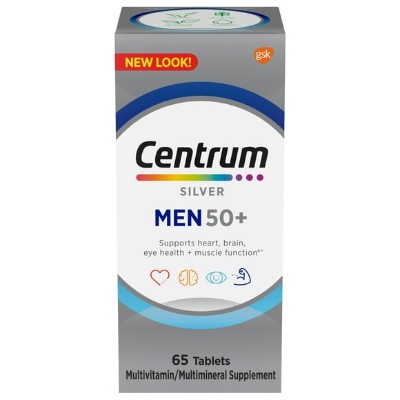
Eve Softgels provides a broad mix of nutrients that can help fill dietary gaps supporting everyday health and normal energy metabolism. Its many additional ingredients and unspecified mixture proportions make individual contributions harder to judge.
AI assessment of the formula, label and price. How scoring works
Vitamin D3, natural vitamin E and several well-identified mineral forms are strengths of the mix. Other forms are less distinctive or incompletely specified, so quality varies across the formula.
Ingredient amounts and most forms are disclosed, making many basic comparisons possible. Six mixtures lack individual proportions, leaving the balance of their components unclear.
Value varies widely, with vitamin E, vitamin K and molybdenum among the more favorable contributions. Several other nutrients are relatively costly for what they provide, and some ingredient contributions remain uncertain.
Customer feedback is strongly positive across a very large review base. That provides a broad picture of buyer satisfaction, without establishing nutritional benefits.
The broad mix fits general nutritional coverage more naturally than a single targeted goal. Many ingredients and possible uses make it harder to tell which additions matter for an individual need.
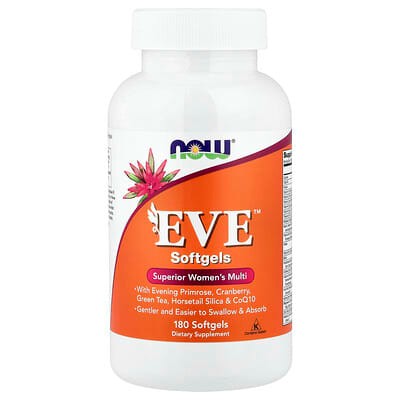 Eve Softgels$21.60
B vitamins contribute nutrients used in normal energy metabolism; folate contributes to normal blood formation; vitamin D contributes to bone and mineral nutrition. These nutrients can help fill dietary shortfalls; additional benefit above adequate intake is not established. Iron contributes to filling an iron shortfall, and iodine supports normal thyroid nutrition.
No linked studies yet.

Zinc and iron can help address diffuse shedding when their intake is deficient. Biotin has a similar role when biotin is deficient; extra regrowth is not established with adequate intake. Vitamin C supports normal collagen synthesis and iron absorption, without an established independent regrowth effect. Selenium contributes antioxidant biology, but routine hair benefit is unproven.
No linked studies yet.

Zinc and vitamin D support normal immune regulation, while selenium contributes to normal immune function and antioxidant processes. Vitamin C supports immune-cell activity and has modest cold-duration evidence with regular use. Copper, iron, B6, B12 and folate can support immune responses when their intake is low; larger amounts do not establish additional benefit. Vitamin A and E amounts remain unresolved, and the supplied vitamin E context does not establish routine respiratory benefit.

Vitamin D supports calcium absorption, and magnesium supports normal bone metabolism. Vitamin C and copper help maintain the collagen framework, with nutritional benefits tied to correcting shortfalls. Calcium supplies a modest 140 mg per serving and was not counted in the saved findings. The mixed vitamin K declaration does not establish the specific MK-7 preparation, and horsetail does not establish equivalence to the silicon preparation used in limited bone studies.
No linked studies yet.
Vitamin C and copper support connective tissue, zinc supports skin repair, and selenium participates in antioxidant enzymes. Pantothenic acid contributes to lipid metabolism, while the seed-oil and botanical declarations need preparation-specific evidence before assigning hydration benefits.
Riboflavin may help when a shortage contributes to eye problems. Correcting low levels is different from improving vision when you already get enough. Vitamin A also has a role in the visual cycle, including seeing in dim light, but its presence doesn't mean you'll gain sharper everyday vision.
No linked studies yet.
| Ingredient | Amount per serving | Score |
|---|---|---|
Calories | 25 {Calories} | |
Total Fat | 2 Gram(s) | |
Protein | 1 Gram(s) | |
Vitamin A (Beta-Carotene) | 5000 IU | |
Vitamin C (Calcium Ascorbate) | 200 mg | |
Vitamin D3 (Cholecalciferol) | 1000 IU | |
Vitamin E (D-Alpha-Tocopherol) | 150 IU | |
Vitamin K (Menaquinone, Phytonadione) | 80 mcg | |
Thiamine (Thiamine Hydrochloride) | 25 mg | |
Riboflavin | 25 mg | |
Niacin (Inositol Hexanicotinate, Niacinamide) | 25 mg | |
Vitamin B-6 (Pyridoxal 5-Phosphate, Pyridoxine Hydrochloride) | 25 mg | |
Folate (Folic Acid) | 800 mcg | |
Vitamin B12 (Methylcobalamin) | 120 mcg | |
Biotin | 300 mcg | |
Pantothenic Acid (Calcium Pantothenate, Vitamin B5) | 50 mg | |
Calcium (Aquamin Seaweed Derived Minerals, Calcium Ascorbate, Calcium Carbonate, Calcium Pantothenate) | 140 mg | |
Iron (Ferrochel Iron Bisglycinate) | 6 mg | |
Iodine (Potassium Iodide) | 225 mcg | |
Magnesium (Aquamin Seaweed Derived Minerals, Mag. Citrate, Mag. Oxide) | 100 mg | |
Zinc (Zinc Bisglycinate) | 15 mg | |
Selenium (Selenium Amino Acid Complex) | 200 mcg | |
Copper (Copper Bisglycinate) | 1 mg | |
Manganese (Manganese Bisglycinate) | 2 mg | |
Chromium (Chromium Chelavite) | 120 mcg | |
Molybdenum (Molybdenum Bisglycinate) | 75 mcg | |
Potassium (Potassium Chloride) | 25 mg | |
Evening Primrose Oil | 500 mg | |
Cranberry concentrate | 100 mg | |
Horsetail extract (Silica) | 50 mg | |
Alpha Lipoic Acid | 25 mg | |
Choline (Choline Bitartrate) | 25 mg | |
Grape seed extract | 25 mg | |
Green Tea extract | 25 mg | |
Inositol | 25 mg | |
CoQ10 (Ubiquinone) | 10 mg | |
Lycopene (natural Tomato extract) | 500 mcg | |
Lutein (Marigold) | 500 mcg |
Published studies used for the product analysis and the top-ranked studies for each ingredient and goal.