Impact
Lower effect
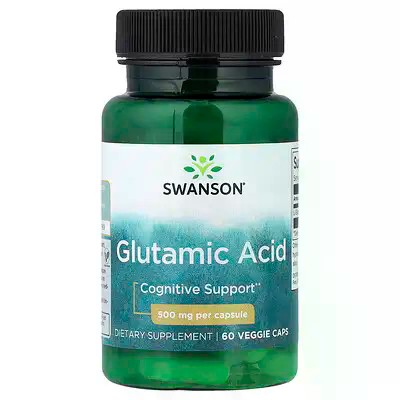
Typical dose:250–1000 mg
While glutamic acid is a building block for glutathione, the availability of cysteine is the rate-limiting factor in its production. The body can typically synthesize sufficient glutamic acid, making supplementation with L-Cysteine (NAC) and Glycine a much more effective strategy for boosting glutathione levels.
- Focuses on
- Most relevant for
- Individuals interested in the foundational amino acids used for internal antioxidant synthesis.
Potential benefits
- Glutathione Building Block.Unconfirmed. Glutamic acid is one of the three amino acids required to produce glutathione, the body's primary antioxidant involved in detoxification, although its role as a supplement for this goal is unproven.
- Metabolic Marker.Unconfirmed. Research indicates glutamate levels in the blood may reflect changes in liver metabolism related to alcohol intake, though there is no evidence that supplementing with it aids in toxin removal.
Limitations
- Not the Rate-Limiting Factor.The production of the detoxifier glutathione is generally limited by the availability of cysteine rather than glutamic acid, which the body typically produces in sufficient quantities.
- No Clinical Intervention Data.Existing studies are observational and do not show that glutamic acid supplementation accelerates toxin clearance or directly improves liver health outcomes.
- Association with Injury.Elevated glutamate levels have been associated with markers of liver injury in observational research, highlighting its role as a potential biomarker rather than a therapeutic detox agent.
Things to consider
There is currently no evidence that taking glutamic acid supplements provides a detoxification benefit beyond what the body naturally produces.
Study evidence
1 studyThe supplied evidence does not establish that Glutamic Acid improves detoxification. It concerns relationships between blood metabolites, alcohol intake, and liver injury, so it cannot show that taking a glutamic acid supplement either supports toxin removal or causes liver damage.
View goal