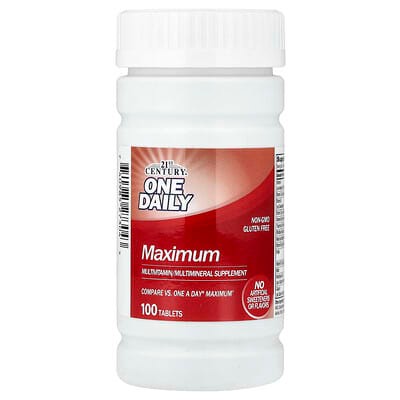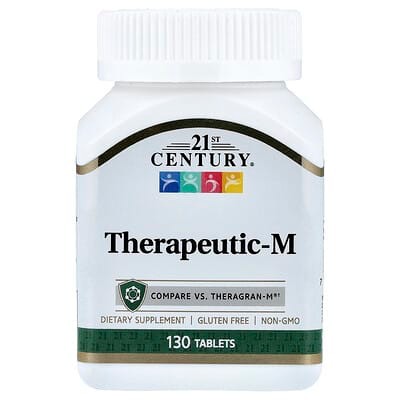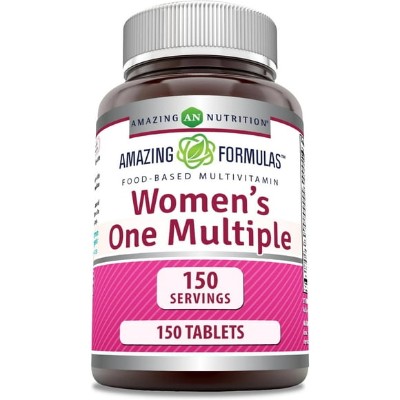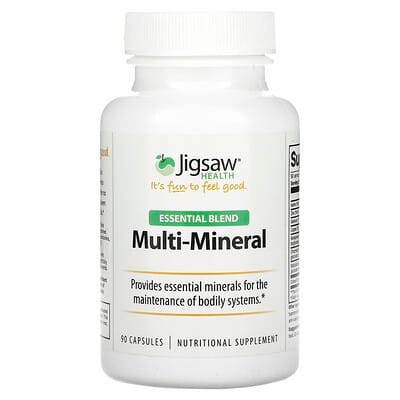
Impact
Highest effect
Typical dose:50–200 mcg
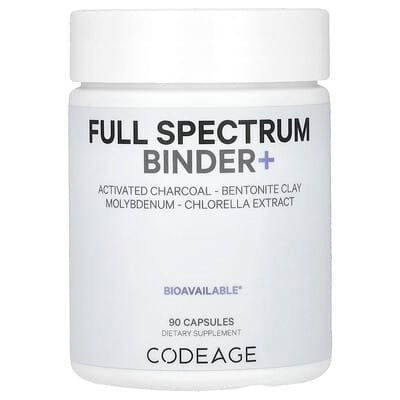
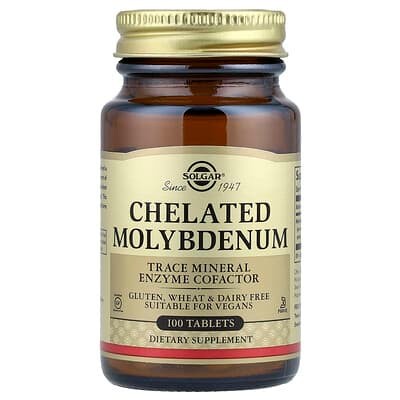
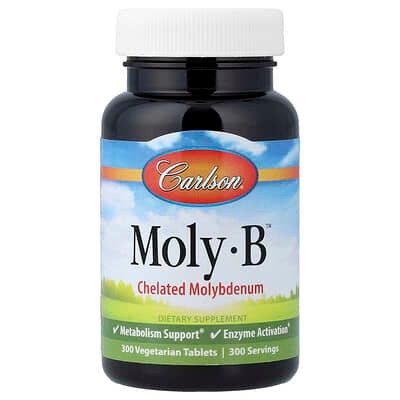
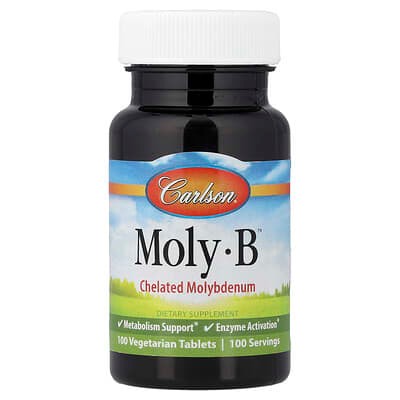
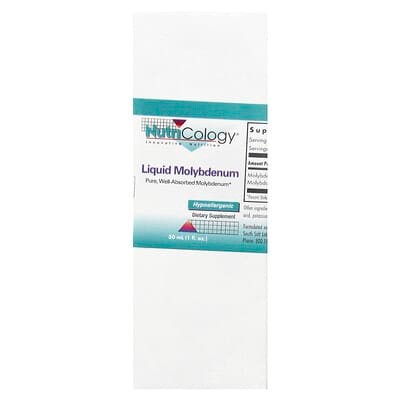
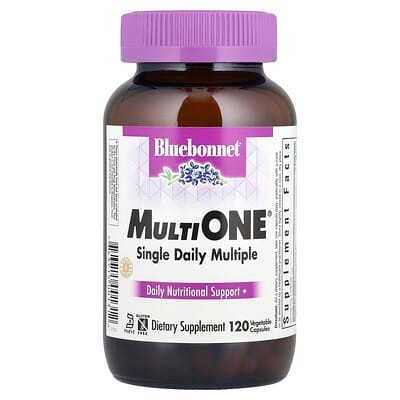
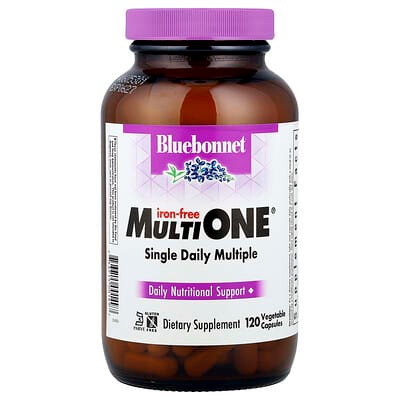
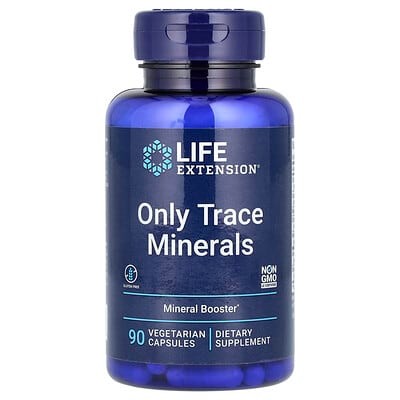
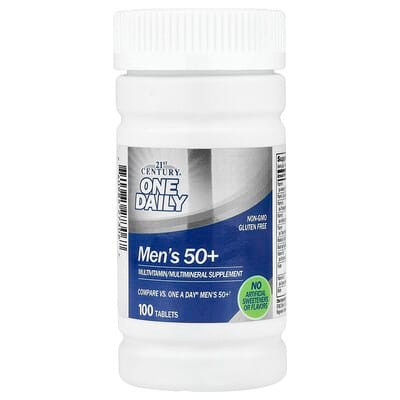
Molybdenum is crucial for the final step in metabolizing sulfur-containing amino acids. A deficiency can lead to an accumulation of toxic sulfites, causing neurological issues and other sensitivities. This makes it a key player in a specific but important detoxification pathway.
- Focuses on
- Most relevant for
- Individuals seeking to support the natural enzymatic pathways involved in processing sulfites.
Potential benefits
- Sulfite Breakdown Support.Unconfirmed. Molybdenum serves as a cofactor for sulfite oxidase, an enzyme required to metabolize sulfites; however, no supplied research confirms that supplements improve detoxification in humans.
Limitations
- Lack of Clinical Evidence.The provided research does not evaluate molybdenum supplements for detoxification and provides no evidence of improved toxin removal.
- Industrial Context.Data is limited to environmental exposure in industrial regions, which may not apply to the use of dietary supplements in the general population.
- Potential Toxicity.Research indicates that higher levels of molybdenum exposure are associated with markers of decreased kidney, liver, and lung health.
Things to consider
Excessive molybdenum exposure has been linked to kidney health risks and changes in liver function indicators.
Study evidence
1 studyThe supplied evidence does not show that Molybdenum supplements improve detoxification. It instead links higher environmental exposure with poorer kidney health in an industrial-region population, an observational finding that cannot establish either supplement benefits or the effects of ordinary dietary intake.
View goal