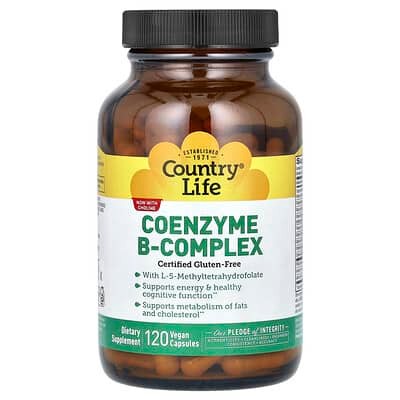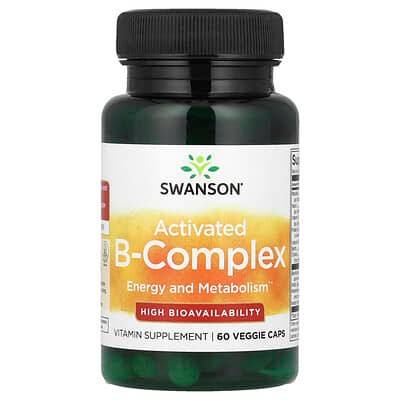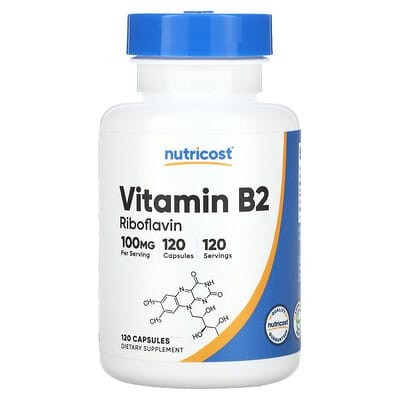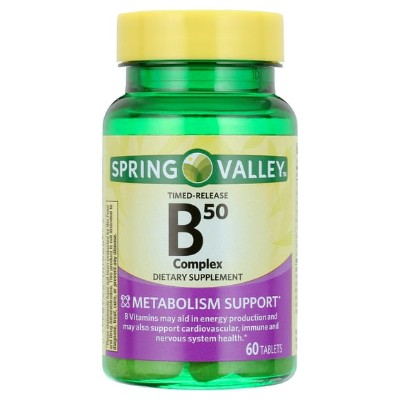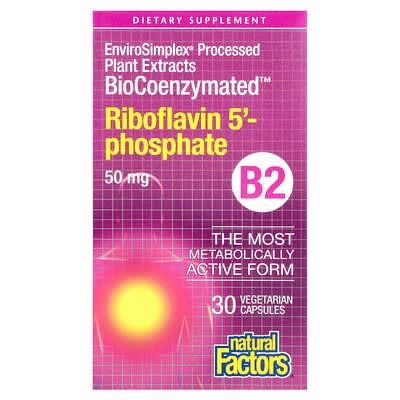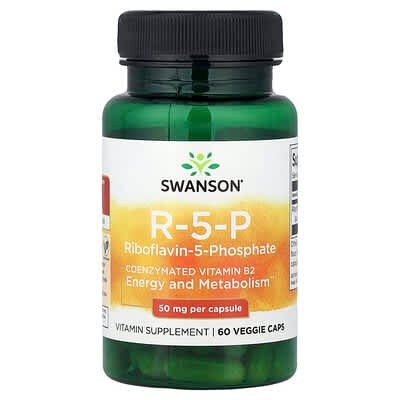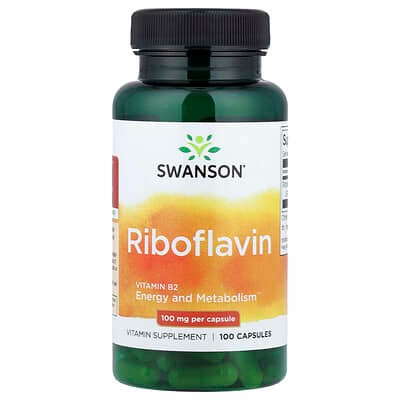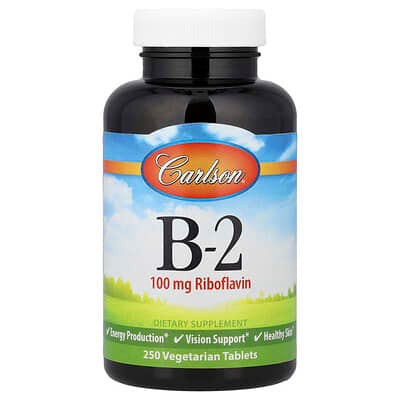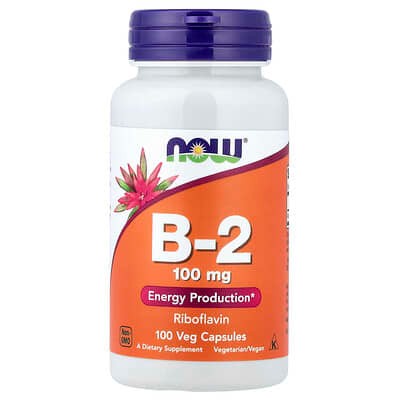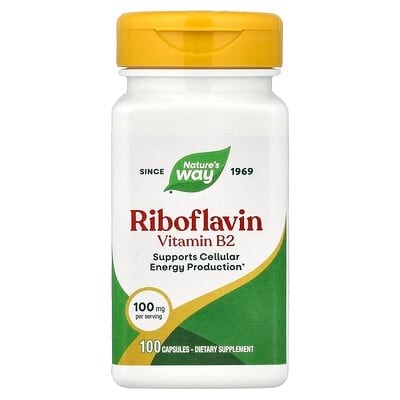
Riboflavin

vitamin

Riboflavin, or Vitamin B2, is a water-soluble vitamin that plays a central role in energy metabolism. It serves as a precursor to the coenzymes FMN and FAD, which are involved in numerous reactions that convert carbohydrates, proteins, and fats into usable cellular energy. Beyond energy production, riboflavin is critical for cellular growth and the maintenance of healthy skin, vision, and mucous membranes. It also aids in the metabolism and activation of other B vitamins—specifically Niacin and Vitamin B6—as well as folate and iron. These interactions make it a foundational nutrient for overall metabolic health. As an antioxidant, riboflavin helps protect cells from oxidative stress and supports the production of red blood cells. Because it is water-soluble and not stored in large amounts, regular dietary intake is necessary. A harmless and temporary yellow discoloration of the urine is a common result of riboflavin supplementation.

Natural sources
Milk and dairy productsEggsLean meats (beef, pork)PoultryFishFortified cerealsMushroomsAlmondsSpinach and other leafy greensBroccoliLegumes

Ingredient forms

No public comparison lists found.

Timing & Intake
AnytimeWith foodTake with Food
Absorption of riboflavin is typically enhanced when taken with food.
Daily Intake
RDA (Men)1 mg
RDA (Women)1 mg
RDI1 mg
Optimal Dosage
Minimum10 mg
Maximum25 mg
Safety & Toxicity
Toxicity Effectno known toxicity
2 safety notes
  • Riboflavin is generally considered safe, even at higher doses, due to its water-soluble nature and rapid excretion.
  • Individuals with certain medical conditions or those on specific medications should consult a healthcare professional before supplementing with high doses.
Goals
Energy
Impact
Highest effect
Typical dose:1.3–100 mg

As a precursor to FAD and FMN, Riboflavin (B2) is an essential cofactor in the electron transport chain, the body's primary engine for ATP generation. A deficiency can directly impair energy metabolism and lead to fatigue.

Focuses on
ATP generation supportReducing physical fatigueExercise enduranceMetabolic cofactor activityB-vitamin status
Most relevant for
People with physically active lifestyles or those looking to support their body's natural metabolic energy pathways.

Potential benefits

  • Metabolic Energy Pathway Support.Unconfirmed. As a precursor to essential cofactors, riboflavin is involved in the biological processes that convert nutrients into ATP, though supplemental benefits for non-deficient individuals are unproven.
  • Reduction in Physical Fatigue.Unconfirmed. Limited evidence suggests that riboflavin-fortified intake may help improve subjective fatigue scores in individuals with high physical work demands.
  • Support for Physical Endurance.Unconfirmed. When included in a B-vitamin complex, riboflavin is associated with improved exercise performance and more efficient management of fatigue-related metabolites like lactate.

Limitations

  • Lack of Isolated Evidence.Most research showing fatigue reduction uses riboflavin as part of a multi-vitamin complex or fortified food, making its independent impact unclear.
  • Population Specificity.Supportive findings are often based on specific groups, such as construction workers or those with metabolic disorders, and may not apply to the general population.
  • Clinical vs. Everyday Energy.While effective for treating specific inherited metabolic energy deficiencies, there is no established proof that it boosts energy in healthy adults.

Study evidence

6 studies

Riboflavin helps the body’s energy metabolism, but the supplied evidence does not establish that taking it alone reliably increases everyday energy. Limited fatigue findings come from a fortified drink, vitamin combinations and clinical conditions that may not apply to otherwise healthy people.

View goal

Metabolism Boost
Impact
Highest effect
Typical dose:1.3–50 mg

Riboflavin is a non-negotiable component of the electron transport chain, the final stage of cellular energy (ATP) production. It is fundamentally required for deriving energy from all macronutrients, making it a foundational element for a healthy metabolic rate.

Focuses on
Cellular Energy ProductionNutrient ConversionInherited Metabolic SupportCoenzyme FunctionIron Metabolism Support
Most relevant for
Individuals seeking to support foundational energy pathways or those with specific inherited metabolic impairments.

Potential benefits

  • Inherited Metabolic Support.Supplementation is an established intervention for specific genetic disorders, such as Multiple Acyl-CoA Dehydrogenase Deficiency (MADD), that disrupt how the body processes fats and proteins.
  • Essential Nutrient Conversion.As a precursor to FAD and FMN cofactors, riboflavin is required for the biochemical pathways that transform macronutrients from food into usable cellular energy.
  • Metabolic Rate Enhancement.Unconfirmed. While necessary for energy production, there is no proven evidence that riboflavin increases basal metabolic rate or accelerates calorie burning in well-nourished individuals.

Limitations

  • Context-Dependent Benefits.Metabolic improvements are primarily observed when correcting a deficiency or treating specific genetic impairments rather than enhancing function in healthy adults.
  • Lacks Weight Loss Data.Supplied research does not demonstrate that riboflavin supplementation leads to increased energy expenditure or body fat reduction in the general population.
  • Inconsistent Homocysteine Impact.Evidence for riboflavin's ability to improve homocysteine metabolism is mixed and appears dependent on specific genetic profiles and co-supplementation with folic acid.
Things to consider

Riboflavin metabolism may be influenced by thyroid hormone levels or nutritional status; therapeutic use for metabolic disorders requires professional medical supervision.

Study evidence

5 studies

Riboflavin is important for normal metabolism, and it can treat specific inherited metabolic disorders. The supplied evidence does not show that extra riboflavin speeds metabolism or increases calorie burning in otherwise well-nourished people; benefits depend on the underlying nutritional or medical context.

View goal
Detoxification
Impact
High effect
Typical dose:5–50 mg

Riboflavin is required for the enzyme glutathione reductase, which keeps the body's primary antioxidant defense system functional. This is a highly effective and necessary support function for detoxification.

Focuses on
Glutathione recyclingAntioxidant regenerationEnzymatic cofactors
Most relevant for
Individuals seeking to support the body's primary antioxidant pathways through essential B-vitamin cofactors.

Potential benefits

  • Glutathione Reductase Support.Unconfirmed. Riboflavin is a required cofactor for the enzyme that recycles glutathione, though direct evidence for detoxification outcomes is currently unproven.
  • Antioxidant Maintenance.Unconfirmed. It may help maintain levels of active glutathione, the body's master antioxidant, to support cellular defense during metabolic processes.

Limitations

  • Lack of Clinical Evidence.There is no provided research directly linking riboflavin supplementation to enhanced detoxification rates or toxin clearance in humans.
  • Indirect Mechanism.The role in detoxification is secondary to its function in basic antioxidant enzyme systems, making its specific impact hard to isolate.
Things to consider

Riboflavin supplementation can cause a harmless bright yellow discoloration of the urine.

Study evidence

No published studies for this goal yet.

View goal
Vision Support
Impact
Moderate effect
Typical dose:1.3–25 mg

While deficiency can cause serious eye problems, supplementation is most beneficial for addressing or preventing a deficiency. For the general population, its role is supportive of the eye's antioxidant systems, like glutathione recycling, rather than being a high-impact, direct treatment for common age-related conditions.

Focuses on
Corneal stabilityAntioxidant defenseVisual acuity supportDeficiency prevention
Most relevant for
Individuals interested in foundational eye health or those undergoing specific medical procedures like corneal cross-linking.

Potential benefits

  • Antioxidant Status Support.Unconfirmed. Riboflavin helps maintain the eye's antioxidant systems, specifically supporting glutathione recycling. However, its effectiveness for general vision support as an oral supplement is unproven by the current research.
  • Prevention of Deficiency-Related Issues.Unconfirmed. Adequate riboflavin is necessary to prevent specific ocular problems caused by deficiency, but there is no direct evidence from the provided studies that supplementation benefits individuals with normal baseline levels.
  • Support for Corneal Health.Unconfirmed. In specialized medical contexts, riboflavin combined with UV-A light can stabilize corneal structure in progressive disease. Its role as a standalone vision supplement remains unconfirmed.

Limitations

  • Procedure-Specific Evidence.Nearly all supportive research focuses on corneal cross-linking, a procedure using topical riboflavin and UV light, which does not translate to benefits from oral supplements.
  • General Population Results.There is a lack of evidence demonstrating that riboflavin provides high-impact vision improvements or protection against age-related conditions for the general population.
  • Inconsistent Visual Outcomes.Even in clinical applications for corneal disease, many participants experience stabilization of the condition without a significant improvement in visual acuity.
Things to consider

Clinical procedures using riboflavin and UV light carry risks such as corneal haze, temporary surface damage, and subclinical changes to macular thickness.

Study evidence

69 studies

Riboflavin supports vision in a specialized corneal cross-linking procedure that combines eye-applied riboflavin with ultraviolet light. This treatment can stabilize progressive corneal disease, but the supplied research does not establish that oral riboflavin supplements improve eyesight or provide the same protection.

View goal
Skin Health
Impact
Situational effect
Typical dose:1.3–10 mg

Riboflavin (Vitamin B2) is crucial for cellular function and repair. While adequate levels are essential for skin health, supplementation is primarily beneficial for preventing or correcting a deficiency, which can manifest as skin disorders like dermatitis. For those with adequate dietary intake, its additional benefit is supportive rather than primary.

Focuses on
Tissue maintenanceSkin integrityMetabolic skin supportDeficiency preventionElasticity support
Most relevant for
Primarily for individuals aiming to maintain skin health by meeting basic nutritional requirements or preventing deficiencies.

Potential benefits

  • Maintenance of Skin Integrity.Riboflavin is essential for cellular energy metabolism and tissue repair, which helps maintain the skin and prevent deficiency-related disorders like dermatitis.
  • Support for Skin Elasticity.Unconfirmed. Observational research suggests that dietary riboflavin intake correlates with skin elasticity in women, though it was studied alongside many other nutrients. This correlation is observational and does not establish that riboflavin itself causes changes in elasticity.
  • Protection Against Specific Lesions.Unconfirmed. Higher vitamin B2 intake is associated with a lower risk of skin lesions in populations exposed to environmental arsenic. This effect is specific to arsenic exposure and has not been proven for general skin conditions.

Limitations

  • Observational Research.Evidence is limited to cross-sectional studies, which show associations rather than proof that riboflavin supplementation improves skin health.
  • Co-dependent Nutrients.Riboflavin was studied as part of a group of nutrients, making it impossible to determine if it provides skin benefits independently.
  • Sufficient Intake Threshold.No data suggests that individuals with adequate dietary riboflavin intake will experience additional skin benefits from supplementation.

Study evidence

2 studies

Higher Riboflavin intake has been associated with skin elasticity and fewer arsenic-related skin lesions in specific populations. These observational findings do not show that Riboflavin itself caused the differences or that taking a supplement improves skin health.

View goal

Studies

Research connections will load here.
Sources

Up to five highest-ranked published examples per goal. Study counts and charts include all published studies for the connection.

  1. Physicochemical properties of and volatile compounds in riboflavin fortified cloudy apple juice; study of its effect on job fatigue among Egyptian construction workers.
    Fouad S; Ibrahim GE; Hussein AMS; Ibrahim FA; El Gendy A · Heliyon · 2021
    Non-randomized trialEnergy
  2. Vitamin B status in patients with chronic fatigue syndrome.
    Heap LC; Peters TJ; Wessely S · Journal of the Royal Society of Medicine · 1999
    Case-control study30 participantsEnergy
  3. B-vitamins, related vitamers, and metabolites in patients with quiescent inflammatory bowel disease and chronic fatigue treated with high dose oral thiamine.
    Bager P; Hvas CL; Hansen MM; Ueland P; Dahlerup JF · Molecular medicine (Cambridge, Mass.) · 2023
    Observational studyEnergy
  4. Metabolic features of chronic fatigue syndrome.
    Naviaux RK; Naviaux JC; Li K; Bright AT; Alaynick WA; Wang L; Baxter A; Nathan N; Anderson W; Gordon E · Proceedings of the National Academy of Sciences of the United States of America · 2024
    Case-control study84 participantsEnergy
  5. Effectiveness of Riboflavin in Inherited Metabolic Diseases: A Systematic Review
    Bregje Jaeger, Nina N Stolwijk, Femke Aaldering, Charlotte A Ruys, Marije Smits, Nicole I Wolf, Carla E M Hollak, Annet M Bosch · Journal of Inherited Metabolic Disease · 2026
    Systematic review381 studies pooledEnergyMetabolism Boost
  6. Disorders of flavin adenine dinucleotide metabolism: MADD and related deficiencies.
    Mereis M; Wanders RJA; Schoonen M; Dercksen M; Smuts I; van der Westhuizen FH · The international journal of biochemistry & cell biology · 2024
    Systematic reviewMetabolism Boost
  7. Anaemia during pregnancy: could riboflavin deficiency be implicated?
    Duffy B; McNulty H; Ward M; Pentieva K · The Proceedings of the Nutrition Society · 2026
    Narrative reviewMetabolism Boost
  8. Effects of riboflavin and folic acid supplementation on plasma homocysteine levels in healthy subjects.
    Chuang CZ; Boyles A; Legardeur B; Su J; Japa S; Lopez-S A · The American journal of the medical sciences · 2006
    Non-randomized trial34 participantsMetabolism Boost
  9. Riboflavin and riboflavin-derived cofactors in adolescent girls with anorexia nervosa.
    Capo-chichi CD; Guéant JL; Lefebvre E; Bennani N; Lorentz E; Vidailhet C; Vidailhet M · The American journal of clinical nutrition · 1999
    Clinical trial34 participantsMetabolism Boost
  10. U.S. Multicenter Clinical Trial of Corneal Collagen Crosslinking for Treatment of Corneal Ectasia after Refractive Surgery.
    Hersh PS; Stulting RD; Muller D; Durrie DS; Rajpal RK; U.S. Crosslinking Study Group · Ophthalmology · 2017
    Randomized trial179 participantsVision Support
  11. United States Multicenter Clinical Trial of Corneal Collagen Crosslinking for Keratoconus Treatment.
    Hersh PS; Stulting RD; Muller D; Durrie DS; Rajpal RK; United States Crosslinking Study Group · Ophthalmology · 2017
    Randomized trial205 participantsVision Support
  12. EpiSmart Crosslinking for Keratoconus: A Phase 2 Study.
    Epstein RJ; Belin MW; Gravemann D; Littner R; Rubinfeld RS · Cornea · 2023
    Randomized trial2,228 participantsVision Support
  13. Prospective Randomized Trial of Corneal Cross-linking Riboflavin Dosing Frequencies for Treatment of Keratoconus and Corneal Ectasia.
    Price MO; Fairchild K; Feng MT; Price FW · Ophthalmology · 2019
    Randomized trial510 participantsVision Support
  14. Corneal collagen cross-linking for keratoconus: results of 3-year follow-up in Pakistani population.
    Khan WA; Zaheer N; Khan S · Canadian journal of ophthalmology. Journal canadien d'ophtalmologie · 2015
    Non-randomized trial66 participantsVision Support
  15. Protective effects of B vitamins and antioxidants on the risk of arsenic-related skin lesions in Bangladesh.
    Zablotska LB; Chen Y; Graziano JH; Parvez F; van Geen A; Howe GR; Ahsan H · Environmental health perspectives · 2008
    Cross-sectional study10,628 participantsSkin Health
  16. Effect of intake of selected nutrients on skin firmness and elasticity in women.
    Podgórska A; Kicman A; Naliwajko S; Wacewicz-Muczyńska M; Niczyporuk M · Frontiers in nutrition · 2024
    Cross-sectional study59 participantsSkin Health