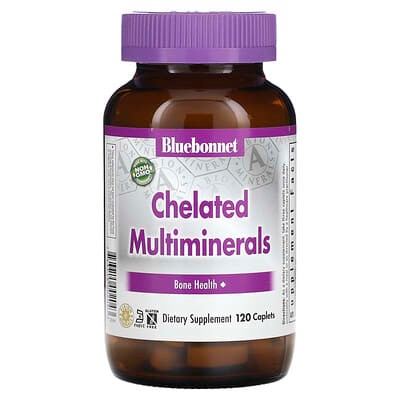


About this product
The strongest fit is filling calcium and magnesium gaps without adding iron. The declared 1000 mg calcium and 400 mg magnesium support normal mineral and bone functions when dietary intake is low. Magnesium's role in energy metabolism does not establish an energy or stress benefit once intake is adequate.
The calcium sources are identified, and zinc is supplied as bisglycinate with 1 mg copper disclosed. Magnesium combines bisglycinate and oxide, but their proportions are unknown, leaving the contribution of each source unclear. Repeated listings of the mineral forms should not be added together as multiple full doses.
The broad list of trace minerals does not make every suggested use equally well supported. Vitamin D and selenium amounts are small, potassium is far below the exposures behind its blood-pressure findings, and betaine hydrochloride adds no supported digestive contribution here. Value is mixed, so the substantial calcium and magnesium amounts should match the dietary gaps being addressed.
Pros
Substantial declared calcium and magnesium amounts Copper amount is provided alongside zinc Several minerals use identified chelated sources
Cons
Magnesium-source proportions are unknown and include oxide Small potassium amount cannot inherit the effects of much larger exposures Betaine hydrochloride has no supported digestive contribution in the supplied findings Several mineral contributions are costly for the amounts provided