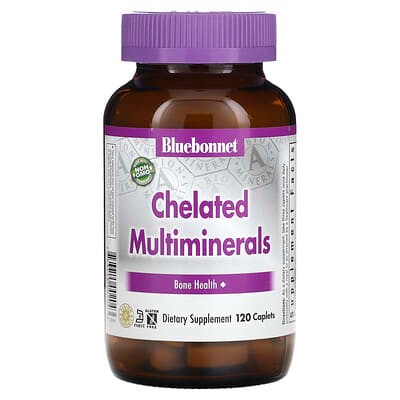


About this product
Substantial calcium and magnesium make this most relevant to genuine mineral gaps. The declared 1000 mg calcium and 400 mg magnesium support normal bone-related nutrition, while 20 mg iron adds a blood-formation role when iron intake or stores are low. Extra minerals do not reliably improve energy when intake is already adequate.
Several sources are named, including zinc bisglycinate and calcium citrate, malate and bisglycinate. Magnesium also includes oxide, and the proportions of the different mineral forms are not disclosed. The repeated form listings represent shared declared amounts, so they should not be added into multiple full doses.
Combining iron with the large calcium serving creates a practical absorption trade-off. The supplied findings flag potential competition between those minerals, even though the product facts name a chelated iron source. Small vitamin D, selenium and potassium contributions also limit expectations for broad cardiovascular or targeted performance benefits, while value varies across the mineral blend.
Pros
Substantial declared calcium and magnesium amounts Zinc and several other minerals have named chelated sources Iron can contribute to blood formation when intake is low
Cons
Magnesium includes oxide with unknown source proportions Vitamin D and selenium contributions are modest Potassium amount is small relative to the exposures behind its cardiovascular findings Several individual mineral contributions offer limited value
Warnings
The 1000 mg calcium serving may compete with the included 20 mg iron for absorption, which matters if replacing low iron is the main reason for taking it. The 20 mg iron serving is worth choosing for an assessed iron need; tiredness alone does not establish that extra iron is appropriate.