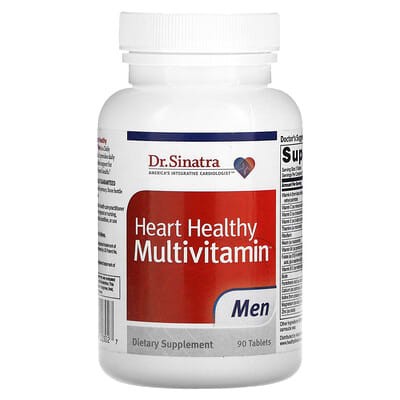


About this product
General nutritional coverage is more convincing than a special heart-health effect. B vitamins support normal energy metabolism and homocysteine processing, while magnesium contributes to normal vascular and mineral functions. Changes in a biological marker do not establish protection from heart events, and magnesium's blood-pressure findings are limited and inconsistent.
Several named forms are useful, including methylcobalamin, methylfolate and potassium iodide. The mineral mix is less consistent: zinc is oxide, and the proportions of magnesium ascorbate and oxide are undisclosed. The two named blends also lack enough detail to establish what their individual ingredients contribute.
The serving cost is difficult to justify from the disclosed minerals alone. Vitamin B6 at 40 mg is far above ordinary nutritional needs, whereas calcium at 150 mg and lutein at 2 mg offer limited targeted coverage. A large B-vitamin amount does not establish extra energy, clearer thinking or better cardiovascular outcomes when intake is adequate.
Pros
Specific B12 and folate forms are identified Potassium iodide supplies a clearly stated iodine amount Zinc and copper quantities can be checked together Vitamin D and magnesium add bone-related nutritional support
Cons
Zinc oxide is a less favorable absorption choice The magnesium mixture's proportions are undisclosed Individual contents of the two blends are unclear Higher cost offers limited value for several minerals Heart-marker support does not establish routine heart protection
Warnings
Vitamin B6 at 40 mg creates a reason to review ongoing daily use and avoid stacking other B6 products; high-dose exposure raises nerve-safety concerns.