

About this product
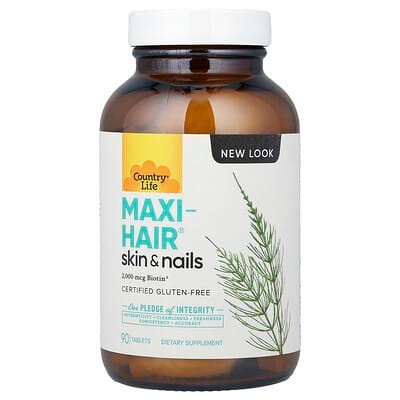
The strongest fit is nutritional support for hair when zinc or biotin intake is low. Zinc at 15 mg and D-biotin at 2,000 mcg offer clear amounts, while extra intake has no established regrowth benefit once needs are met. Vitamin C and copper contribute to normal connective-tissue functions rather than demonstrating a cosmetic change on their own.
The 1,100 mg Maxi Blend is the main disclosure gap because its individual contents and amounts are unconfirmed. Zinc is identified as a rice chelate, but that broad description gives less detail than a specifically named chemical preparation. B vitamins, iodine and selenium widen nutritional coverage without establishing better focus, a faster metabolism or general detoxification.
The 50 mg B6 serving weighs heavily against casual daily use because it exceeds the supplied adult upper-intake context. Calcium at 200 mg adds some mineral intake but does not make the formula a substantial source for meeting calcium needs. Value is mixed across nutrients, and the undisclosed extras make a premium harder to justify for someone with a single identified gap.
Pros
D-biotin has a named form and clearly stated amount. Both zinc and its accompanying copper have disclosed amounts. Vitamin C and copper support normal collagen-related functions.
Cons
Individual Maxi Blend ingredients cannot be assessed from its total weight. The rice-chelate zinc description provides limited preparation detail. The modest calcium amount limits its usefulness as a bone-focused purchase. Large B-vitamin amounts do not establish improved energy or concentration.
Warnings
Vitamin B6 supplies 50 mg per serving, above the supplied 12 mg adult daily upper-limit context; ongoing use and other B6 supplements need review because of nerve-safety concerns. Vitamin A and selenium are already included; avoid stacking them with extra hair supplements because excessive intake can worsen shedding.