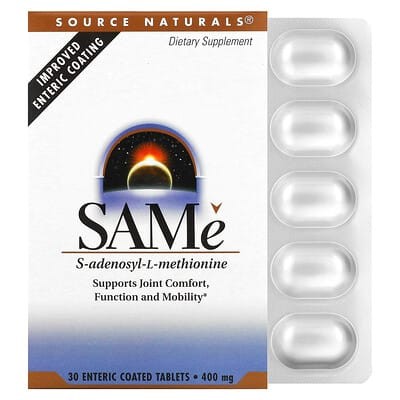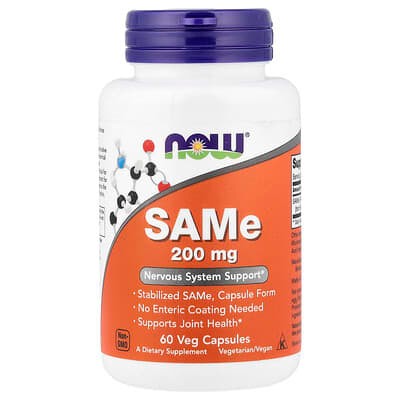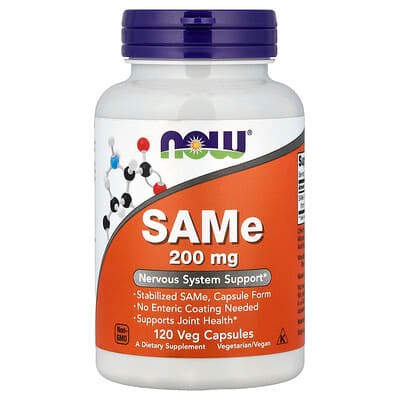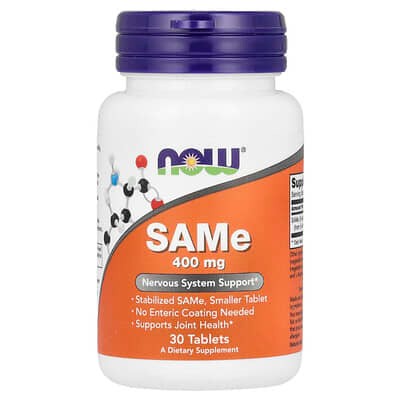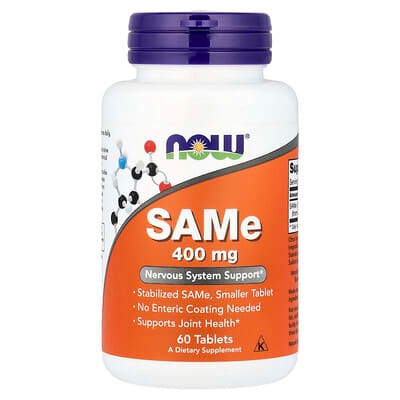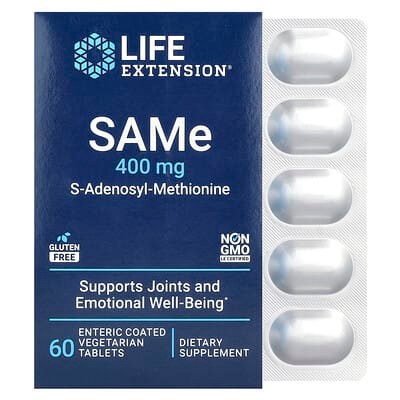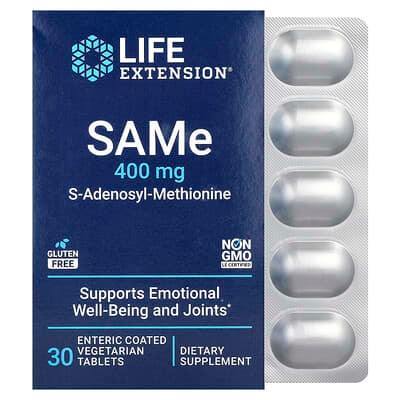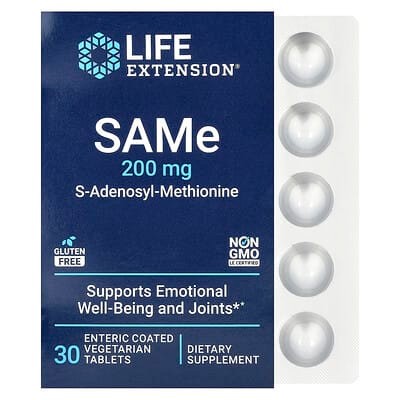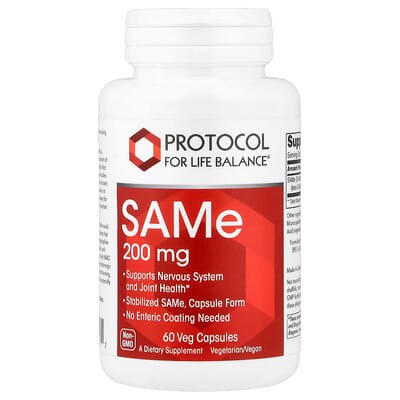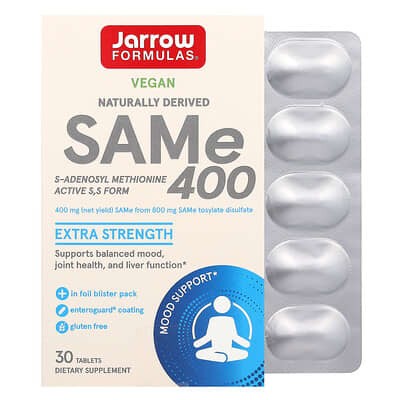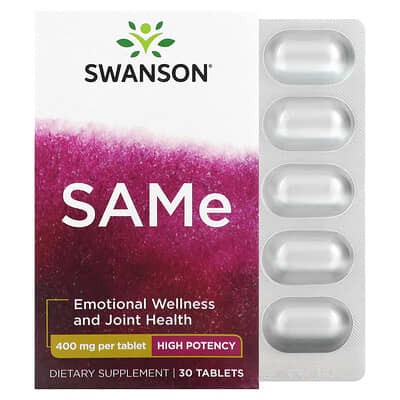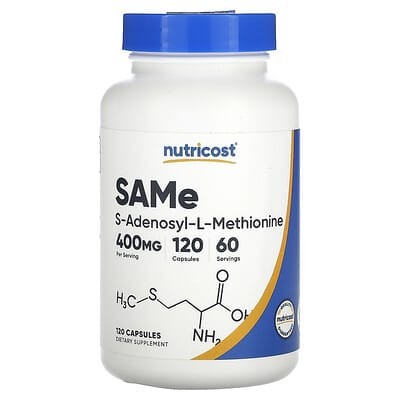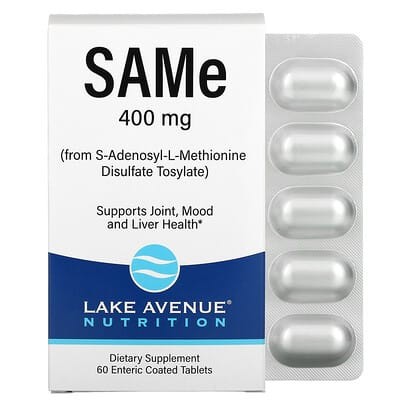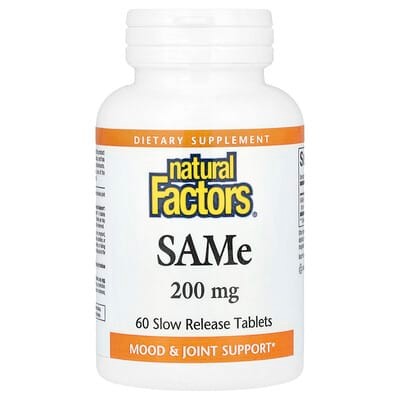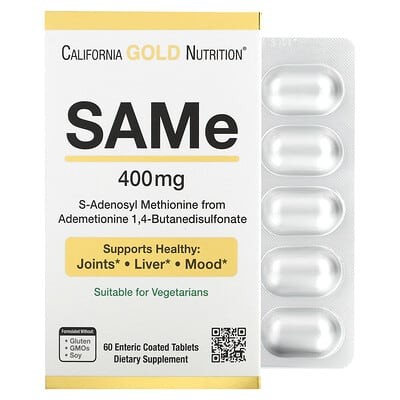
SAMe

non-nutrient_non-botanical

SAMe (S-Adenosyl-L-Methionine) is a naturally occurring compound derived from the essential amino acid methionine. It acts as a critical molecule in three major biochemical pathways: transmethylation, transsulfuration, and aminopropylation. The primary role as a methyl donor facilitates reactions necessary for the synthesis and metabolism of neurotransmitters such as serotonin and dopamine, as well as hormones, nucleic acids, and phospholipids. The methyl donation process is fundamental for maintaining cell membrane fluidity, supporting liver detoxification, and promoting the synthesis of cartilage components for joint health. These diverse metabolic pathways result in a broad impact on physiological functions, including mood regulation, cognitive function, and cellular regeneration. Although produced endogenously, levels may decline with age or specific health conditions. Supplementation aims to augment the natural supply to support these critical methylation processes, particularly for individuals seeking to enhance mood, support liver function, or improve joint comfort.

Natural sources
SAMe is naturally produced in the human body from the amino acid L-methionine.While not found directly in foods, its precursor, methionine, is an essential amino acid present in protein-rich foods such as meat, fish, eggs, and dairy products.

No public comparison lists found.

Optimal Dosage
Minimum400 mg
Maximum1600 mg
Safety & Toxicity
Toxicity Threshold2400 mg
Toxicity EffectFlatulence, nausea, anxiety
4 safety notes
  • Individuals with bipolar disorder (manic-depressive illness) should avoid SAMe, as it may induce manic episodes.
  • Pregnant or breastfeeding women should consult a healthcare professional before use.
  • Individuals with Parkinson's disease should use with caution and under medical supervision.
  • May cause mild gastrointestinal upset, especially when initiating supplementation.
Goals
Detoxification
Impact
High effect
Typical dose:200–800 mg

By providing methyl groups directly, SAMe offers powerful support for a key liver conjugation pathway, bypassing potential upstream issues in the methionine cycle. This makes it a very effective supplement for detoxification.

Focuses on
Methylation supportGlutathione synthesisPhase II conjugationLiver marker balanceBile flow
Most relevant for
Individuals seeking to support specific biochemical liver pathways, particularly methylation and glutathione production.

Potential benefits

  • Methylation Donor.Serves as a primary methyl donor, supporting Phase II conjugation, a liver process that modifies substances to facilitate their excretion.
  • Glutathione Support.Helps restore hepatic glutathione deposits, which are essential for neutralizing reactive compounds and protecting liver cells.
  • General Detoxification.Unconfirmed. Although SAMe is vital for liver metabolism, its effectiveness for enhancing toxin removal in healthy individuals remains unproven.

Limitations

  • Clinical Context.Most research focuses on medical conditions like cirrhosis or cholestasis; results may not apply to general detoxification in healthy users.
  • Mixed Effectiveness.Trials for alcohol-related liver disease and pregnancy-related cholestasis have frequently shown no significant benefit over placebo or alternative treatments.
  • Route of Administration.Many studies showing liver marker improvements utilized intravenous or high-dose injectable forms, which may differ in efficacy from oral supplements.
Things to consider

In studies of alcoholic liver disease, alcohol abstinence was found to be more effective at improving liver function than SAMe supplementation.

Study evidence

30 studies

SAMe has shown mixed effects on liver-related blood markers and symptoms in people with liver disease. This clinical research, which includes injectable treatment, does not establish that ordinary SAMe supplements improve general detoxification or remove toxins in otherwise healthy people.

View goal

Joint Health
Impact
High effect
Typical dose:400–1200 mg

S-Adenosyl Methionine is a naturally occurring molecule involved in methylation processes that reduce inflammation and stimulate the production of proteoglycans, a key component of cartilage. It has a dual-action benefit for both symptom relief and structural support.

Focuses on
Osteoarthritis symptomsJoint functionMobility supportHip and knee comfortMorning stiffness
Most relevant for
Individuals with osteoarthritis looking for long-term symptom management who prefer an alternative with potentially fewer side effects than standard anti-inflammatory drugs.

Potential benefits

  • Osteoarthritis Symptom Relief.Clinical trials indicate that SAMe may reduce joint pain and functional limitations, with some studies finding it as effective as standard anti-inflammatory medications for knee and hip osteoarthritis.
  • Improved Physical Function.Research suggests that regular supplementation can help improve mobility and ease morning stiffness in individuals with degenerative joint issues.
  • Cartilage Support.Unconfirmed. While laboratory studies suggest SAMe might stimulate cartilage production, there is currently no clinical evidence confirming that it can repair joint tissue or prevent further damage in humans.

Limitations

  • Slower Onset.Significant improvements in joint comfort may take several weeks of consistent use, whereas traditional pain medications often provide faster initial relief.
  • Inconclusive Evidence.Meta-analyses of placebo-controlled trials have yielded mixed results, suggesting that any benefits for pain and function might be small or limited by the quality of available studies.
  • Insufficient Structural Data.Most clinical research focuses on subjective pain scales rather than objective measures like joint space narrowing, so its role in long-term joint preservation remains uncertain.
Things to consider

Clinical trials have reported mild gastrointestinal side effects in some users, though frequency is typically lower than that seen with common non-steroidal anti-inflammatory drugs.

Study evidence

9 studies

SAMe may ease osteoarthritis symptoms, but placebo-controlled evidence remains inconclusive and any benefit may be small. Some older trials found symptom relief comparable to anti-inflammatory medicines, without establishing that SAMe repairs cartilage or protects joints from further damage.

View goal
Mood Support
Impact
High effect
Typical dose:400–1600 mg

S-Adenosyl Methionine is involved in over 100 critical biochemical reactions, including the methylation of phospholipids for cell membrane fluidity and the synthesis of neurotransmitters. It is one of the most-studied natural mood-supporting compounds.

Focuses on
Depressive symptom reliefNeurotransmitter synthesisEmotional well-beingClinical mood responseMethylation support
Most relevant for
Individuals managing clinical low mood or seeking a natural alternative to traditional mood-supporting options.

Potential benefits

  • Alleviation of Depressive Symptoms.Multiple reviews indicate that SAMe may reduce symptom severity in clinical depression, with some evidence showing effects similar to certain tricyclic antidepressants.
  • Biochemical Mood Support.As a primary methyl donor, SAMe is essential for the production of neurotransmitters like serotonin and dopamine that regulate emotional state.
  • Faster Symptom Improvement.Unconfirmed. Some clinical data suggests SAMe might speed up the onset of mood-improving effects when combined with other treatments, but meta-analyses show inconsistent results, leaving this benefit unproven.

Limitations

  • Inconsistent Clinical Results.Recent meta-analyses and trials have found no significant benefit over placebo for some groups, particularly when SAMe is added to existing antidepressant medication.
  • Clinical Focus.Research is almost exclusively conducted on populations with Major Depressive Disorder; benefits for general mood enhancement in healthy individuals are not established.
  • Delivery Method Variance.Significant findings often rely on high-dose oral or injectable forms, making the efficacy of lower-dose over-the-counter supplements less certain.
Things to consider

Higher doses are associated with abdominal discomfort. Consult a doctor if taking other mood medications, as rare cases of serotonin syndrome-like symptoms have been reported during combined use.

Study evidence

20 studies

SAMe may reduce symptoms of depression, but reviews and controlled trials reach conflicting conclusions. Evidence for adding it to antidepressants is inconsistent, and findings from clinical depression, injected treatments or combination products do not establish a dependable everyday mood benefit from oral supplements.

View goal
Stress Relief
Impact
High effect
Typical dose:400–1600 mg

SAMe (S-Adenosyl Methionine) is a primary methyl-donor, directly involved in producing serotonin, dopamine, and norepinephrine. Supplementation can support a positive mood and cognitive function, which are often compromised by chronic stress. Its effects are often felt more quickly than those of herbal supplements.

Focuses on
Neurotransmitter synthesisMood stabilityCognitive support
Most relevant for
Individuals seeking mood support who recognize that SAMe's specific role in stress relief is not yet backed by the provided research.

Potential benefits

  • Neurotransmitter Support.Unconfirmed. SAMe acts as a methyl donor to assist in the synthesis of mood-regulating neurotransmitters, though its direct effectiveness for stress relief is unproven as no research was provided.
  • Emotional Resilience.Unconfirmed. SAMe may help maintain a positive mood during periods of strain, but its specific benefit for stress management is unconfirmed due to a lack of clinical evidence.

Limitations

  • Absence of Direct Research.No provided clinical trials specifically evaluate SAMe for the reduction of psychological stress or the management of stress biomarkers.
  • Indirect Evidence.Any potential stress benefits are inferred from the ingredient's role in mood regulation rather than direct evidence for stress relief itself.

Study evidence

No published studies for this goal yet.

View goal

Studies

Research connections will load here.
Interactions
Sources

Up to five highest-ranked published examples per goal. Study counts and charts include all published studies for the connection.

  1. Early treatment efficacy of S-adenosylmethionine in patients with intrahepatic cholestasis: A systematic review.
    Noureddin M; Sander-Struckmeier S; Mato JM · World journal of hepatology · 2020
    Systematic review9 studies pooledDetoxification
  2. Ursodeoxycholic acid and S-adenosylmethionine in the treatment of intrahepatic cholestasis of pregnancy: a multi-centered randomized controlled trial.
    Zhang L; Liu XH; Qi HB; Li Z; Fu XD; Chen L; Shao Y · European review for medical and pharmacological sciences · 2016
    Randomized trial120 participantsDetoxification
  3. S-adenosyl-L-methionine for the treatment of chronic liver disease: a systematic review and meta-analysis.
    Guo T; Chang L; Xiao Y; Liu Q · PloS one · 2015
    Meta-analysis705 participants11 studies pooledDetoxification
  4. Protective effect of S-adenosylmethionine on hepatic ischemia-reperfusion injury during hepatectomy in HCC patients with chronic HBV infection.
    Liu GY; Wang W; Jia WD; Xu GL; Ma JL; Ge YS; Yu JH; Sun QK; Meng FL · World journal of surgical oncology · 2014
    Non-randomized trial81 participantsDetoxification
  5. S-adenosylmethionine in alcoholic liver cirrhosis: a randomized, placebo-controlled, double-blind, multicenter clinical trial.
    Mato JM; Cámara J; Fernández de Paz J; Caballería L; Coll S; Caballero A; García-Buey L; Beltrán J; Benita V; Caballería J; Solà R; Moreno-Otero R; Barrao F; Martín-Duce A; Correa JA; Parés A; Barrao E; García-Magaz I; Puerta JL; Moreno J; Boissard G; Ortiz P; Rodés J · Journal of hepatology · 1999
    Randomized trial123 participantsDetoxification
  6. S-adenosyl methionine (SAMe) versus celecoxib for the treatment of osteoarthritis symptoms: a double-blind cross-over trial. [ISRCTN36233495].
    Najm WI; Reinsch S; Hoehler F; Tobis JS; Harvey PW · BMC musculoskeletal disorders · 2004
    Randomized trial61 participantsJoint Health
  7. Italian double-blind multicenter study comparing S-adenosylmethionine, naproxen, and placebo in the treatment of degenerative joint disease.
    Caruso I; Pietrogrande V · The American journal of medicine · 1988
    Clinical trial734 participantsJoint Health
  8. Double-blind multicentre study of the activity of S-adenosylmethionine in hip and knee osteoarthritis.
    Glorioso S; Todesco S; Mazzi A; Marcolongo R; Giordano M; Colombo B; Cherie-Ligniere G; Mattara L; Leardini G; Passeri M · International journal of clinical pharmacology research · 1985
    Randomized trial150 participantsJoint Health
  9. A long-term (two years) clinical trial with S-adenosylmethionine for the treatment of osteoarthritis.
    König B · The American journal of medicine · 1988
    Single-arm trial108 participantsJoint Health
  10. Exploring the mechanisms behind S-adenosylmethionine (SAMe) in the treatment of osteoarthritis.
    Hosea Blewett HJ · Critical reviews in food science and nutrition · 2008
    Narrative reviewJoint Health
  11. Efficacy and tolerability of oral and intramuscular S-adenosyl-L-methionine 1,4-butanedisulfonate (SAMe) in the treatment of major depression: comparison with imipramine in 2 multicenter studies.
    Delle Chiaie R; Pancheri P; Scapicchio P · The American journal of clinical nutrition · 2002
    Randomized trial576 participantsMood Support
  12. A double-blind, randomized parallel-group, efficacy and safety study of intramuscular S-adenosyl-L-methionine 1,4-butanedisulphonate (SAMe) versus imipramine in patients with major depressive disorder.
    Pancheri P; Scapicchio P; Chiaie RD · The international journal of neuropsychopharmacology · 2004
    Randomized trial293 participantsMood Support
  13. Preliminary results of a randomized controlled trial carried out with a fixed combination of S-adenosyl-L-methionine and betaine versus amitriptyline in patients with mild depression.
    Di Pierro F; Settembre R · International journal of general medicine · 2015
    Randomized trial64 participantsMood Support
  14. S-adenosylmethionine blood levels in major depression: changes with drug treatment.
    Bell KM; Potkin SG; Carreon D; Plon L · Acta neurologica Scandinavica. Supplementum · 1994
    Randomized trial26 participantsMood Support
  15. Adjunctive Nutraceuticals for Depression: A Systematic Review and Meta-Analyses.
    Sarris J; Murphy J; Mischoulon D; Papakostas GI; Fava M; Berk M; Ng CH · The American journal of psychiatry · 2017
    Meta-analysisMood Support