Omega-6

fatty acid

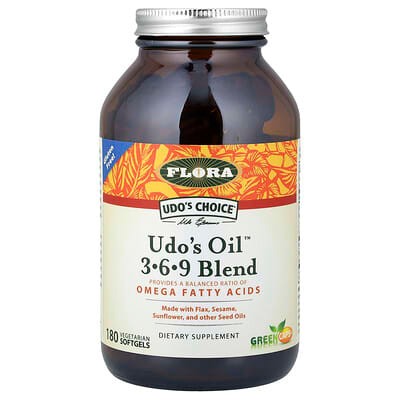
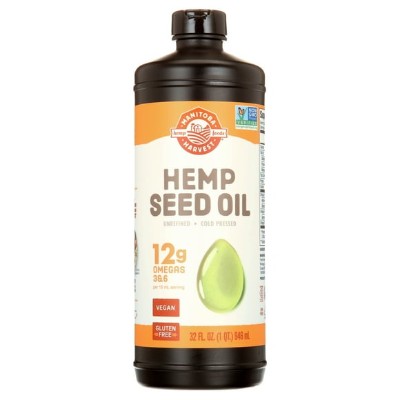
Omega-6 fatty acids, primarily linoleic acid (LA), are essential polyunsaturated fats that must be obtained through the diet. These fats are critical components of cell membranes, supporting their structural integrity and flexibility. They also play an important role in energy metabolism and the maintenance of healthy skin and hair. Once consumed, linoleic acid is metabolized into other omega-6 derivatives, such as gamma-linolenic acid (GLA) and arachidonic acid (AA). These serve as precursors to eicosanoids—signaling molecules such as prostaglandins, thromboxanes, and leukotrienes. These molecules help regulate vital processes including inflammatory responses, immune system modulation, blood clotting, and blood pressure. Maintaining a proper balance between omega-6 and omega-3 fatty acids is important for overall health. A diet with a healthy ratio supports cardiovascular function and brain health while helping to modulate the body’s inflammatory processes, ensuring these essential fatty acids work effectively without promoting imbalance.

Natural sources
Vegetable oils (e.g., soybean oil, corn oil, sunflower oil, safflower oil)Nuts (e.g., walnuts, almonds)Seeds (e.g., sunflower seeds, pumpkin seeds)PoultryEggs

No public comparison lists found.

Optimal Dosage
Minimum1000 mg
Maximum5000 mg
Safety & Toxicity
Toxicity Threshold5000 mg
Toxicity EffectIncreased bleeding risk
2 safety notes
  • Individuals with inflammatory conditions should monitor their omega-6 intake to ensure a healthy balance with omega-3 fatty acids.
  • A diet high in processed foods often leads to an unfavorable omega-6 to omega-3 ratio, which may have long-term health implications.
Goals
Skin Health
Impact
Situational effect
Typical dose:11–22 g
The omega-6 fatty acid linoleic acid is a direct precursor to ceramides, which are vital for a healthy skin barrier and moisture retention. While essential, most modern diets contain sufficient or excessive amounts of omega-6. Supplementation is only beneficial if intake is low or to obtain specific forms like GLA.

Study evidence

9 studies

Certain omega-6 formulations may help specific skin problems, including dryness or rosacea, but these findings do not establish a general benefit from omega-6 supplements. Dietary and blood-level research is mixed and includes unfavorable associations that cannot be treated as proof of supplement harm.

View goal
Studies

Research connections will load here.
Interactions
Sources

Up to five highest-ranked published examples per goal. Study counts and charts include all published studies for the connection.

  1. Psychosocial Burden in People with Atopic Dermatitis: Effects of a Substance-Free Basic Skincare in a Randomized Health Care Study.
    Braren-von Stülpnagel C; Augustin M; Sommer R; Westphal L · Skin pharmacology and physiology · 2024
    Randomized trial79 participantsSkin Health
  2. Abnormalities in epidermal lipid metabolism in patients with atopic dermatitis.
    Schäfer L; Kragballe K · The Journal of investigative dermatology · 1991
    Cross-sectional study15 participantsSkin Health
  3. Maternal plasma phosphatidylcholine fatty acids and atopy and wheeze in the offspring at age of 6 years.
    Pike KC; Calder PC; Inskip HM; Robinson SM; Roberts GC; Cooper C; Godfrey KM; Lucas JS · Clinical & developmental immunology · 2013
    Cohort study865 participantsSkin Health
  4. Plasma omega-3 and omega-6 concentrations and risk of cutaneous basal and squamous cell carcinomas in Australian adults.
    Wallingford SC; Hughes MC; Green AC; van der Pols JC · Cancer epidemiology, biomarkers & prevention : a publication of the American Association for Cancer Research, cosponsored by the American Society of Preventive Oncology · 2014
    Cohort study1,191 participantsSkin Health
  5. Maternal PUFA status and offspring allergic diseases up to the age of 18 months.
    Yu YM; Chan YH; Calder PC; Hardjojo A; Soh SE; Lim AL; Fisk HL; Teoh OH; Goh A; Saw SM; Kwek K; Gluckman PD; Godfrey KM; Chong YS; Shek LP; Pan A; Chong MF; van Bever HP; GUSTO study group · The British journal of nutrition · 2015
    Cohort study960 participantsSkin Health