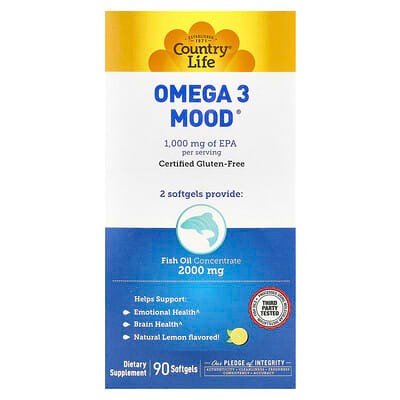
EPA (Eicosapentaenoic Acid)

Description

EPA is a long-chain polyunsaturated omega-3 fatty acid, classified as essential because the human body cannot produce it and must acquire it through diet or supplementation. It serves as a precursor to eicosanoids, which are signaling molecules that regulate various physiological processes, including inflammation, blood clotting, and immune responses. Research consistently highlights EPA's significant benefits for cardiovascular health, including its ability to help maintain healthy triglyceride levels and support arterial function. Its profound anti-inflammatory properties make it beneficial for mitigating inflammation throughout the body, offering potential relief for conditions like arthritis and general inflammatory states. Beyond physical health, EPA plays a role in supporting brain health and mood regulation. It contributes to neuronal function and has been studied for its potential in helping to manage symptoms of depression and anxiety, often working in conjunction with DHA to promote overall cognitive well-being and mental clarity.

Sources
Fatty fish (e.g., salmon, mackerel, sardines, anchovies, herring, tuna)Algae (certain microalgae)Krill oil
Cheapest EPA (Eicosapentaenoic Acid) Supplements
Discover the cheapest EPA (Eicosapentaenoic Acid) fatty acid supplements available, supporting your goals for heart health, mental focus, cognitive support, and vision.
Best EPA supplements
Discover the best EPA (Eicosapentaenoic Acid) supplements to support your heart health, mental focus, cognitive function, and vision.
Value EPA (Eicosapentaenoic Acid) supplements
Explore value EPA (Eicosapentaenoic Acid) supplements to support heart health, mental focus, cognitive function, and vision.
Optimal Dosage
Minimum250 mg
Maximum1000 mg
Safety & Toxicity
Toxicity Threshold5000 mg
Toxicity EffectIncreased bleeding risk
Goals
Cognitive Support
Cognitive Support
Impact
Highest effect
Typical dose:250–1500 mg
While DHA is structural, EPA plays a vital role in regulating inflammation within the brain, which is a key factor in cognitive aging and mood disorders. It also helps produce signaling molecules that support overall brain function.
View goal ->
Heart Health
Heart Health
Impact
Highest effect
Typical dose:500–2000 mg
As a primary component of Omega-3, EPA directly competes with pro-inflammatory arachidonic acid, reducing the production of inflammatory eicosanoids. This reduction in systemic inflammation is crucial for preventing the progression of atherosclerosis.
View goal ->
Vision Support
Vision Support
Impact
High effect
Typical dose:250–1200 mg
Eicosapentaenoic acid (EPA) is an omega-3 fatty acid that produces signaling molecules which potently reduce inflammation. This action is highly beneficial for ocular surface health, helping to alleviate symptoms of dry eye syndrome by reducing inflammation in the tear-producing glands. It works synergistically with DHA's structural role. The priority should be set to reflect its high efficacy.
View goal ->
Mental Focus
Mental Focus
Impact
Moderate effect
Typical dose:500–2000 mg
While DHA is structural, EPA plays a significant role in reducing inflammatory processes in the brain. Elevated inflammation is linked to brain fog and cognitive fatigue. By supporting a healthy inflammatory response and mood, EPA helps create a better internal environment for sustained concentration.
View goal ->
Price per product
Average$30.66
Median$27.93
Price per serving
Average$0.53
Median$0.48
Price per 100 mg
Average$0.24
Median$0.13
Price distribution
Price per serving distribution
Price per 100 mg
Reference amount: 100 mg
Paired ingredients