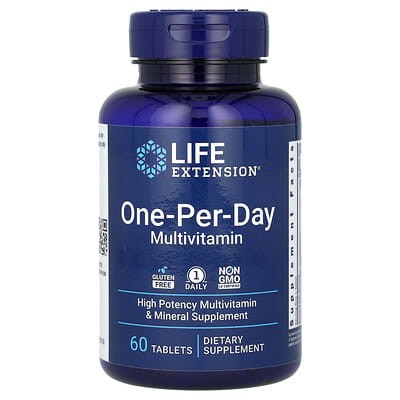


About this product
A broad range of vitamins and trace minerals can help fill dietary gaps related to normal energy use and immune function. Methylfolate, methylcobalamin, potassium iodide and named zinc sources make several parts of the formula identifiable. Large B-vitamin amounts do not establish additional energy, focus or mood benefits once intake is adequate.
B6 is listed at 75 mg, making dose suitability an important consideration for a daily multivitamin. The 25 mg zinc amount has no established accompanying copper quantity, while magnesium oxide at 100 mg offers limited mineral coverage and no calcium contribution is declared. Missing proportions in the zinc and selenium mixtures also restrict detailed comparisons.
The small alpha-lipoic acid and apigenin additions do not establish meaningful weight or productivity benefits. Marigold-extract weight does not identify usable lutein and zeaxanthin amounts, so broader eye-health claims remain uncertain. A single daily tablet is convenient, but value depends on needing this nutrient mix rather than simply wanting higher amounts.
Pros
Single daily tablet simplifies the routine Several vitamin, iodine and zinc sources are specifically named Core nutrient quantities are stated
Cons
No declared calcium contribution and only modest magnesium coverage Zinc and selenium blend shares are not disclosed Chromium's branded name does not establish its precise chemical form Small added actives and unresolved carotenoid amounts limit broader claims
Warnings
The 75 mg B6 serving is far above the low daily range favored in the supplied guidance; review suitability before prolonged use or adding a B-complex. Copper quantity is unavailable alongside 25 mg zinc, so continued use deserves attention to mineral balance. Selenium is listed at 200 mcg; avoid unnecessary overlap with separate selenium, since excessive intake can worsen hair loss.