


Ceramide Not classified
No linked studies yet.
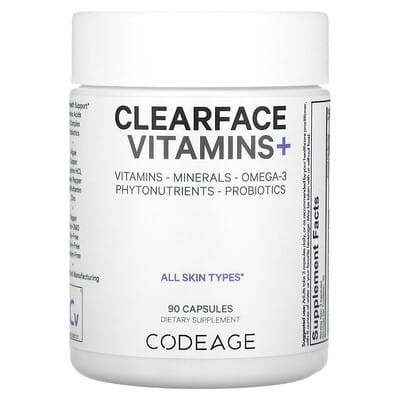
Nutritional skin support is the clearest rationale, especially if zinc or vitamin intake is low. Vitamin C supports collagen formation, while zinc contributes to normal skin maintenance and repair. Those roles do not establish clearer skin or an added cosmetic benefit when nutritional needs are already met.
The more skin-specific additions are harder to judge. The 35 mg rice-derived phytoceramide preparation is not established as equivalent to preparations associated with hydration benefits, and neither blend discloses enough detail to explain its individual contributions. The omega-3 details give a 450 mg total with DHA and EPA named, rather than confirming 450 mg of each or their separate amounts.
Zinc and copper are both quantified at 30 mg and 2 mg, which helps assess the mineral combination. Some sources, including calcium D-pantothenate and chromium picolinate, are clearly identified, but several other preparations remain less specific. Relatively high cost and uncertain skin-focused extras limit the case for choosing it solely for a cosmetic goal.
Clearface supplies nutrients that support normal skin maintenance and can help when dietary intake is low. Its unidentified blend ingredients and undisclosed omega-3 proportions make the full mix harder to judge.
AI assessment of the formula, label and price. How scoring works
Vitamin B5 and chromium use favorable forms, while the quality of the wider mix is less consistent. Several undisclosed forms and incomplete blend details make parts of the formula harder to compare.
Amounts are declared throughout, and most ingredient forms are identified. The omega-3 proportions and blend contents remain undisclosed, limiting a clear view of what each contributes.
Several nutrient contributions look expensive when compared with the full serving cost. Value for the remaining ingredients is uncertain, so the broad mix does not establish good value by itself.
Customer feedback is generally positive across several hundred ratings. That gives a useful picture of buyer satisfaction, without establishing skin or other health benefits.
The clearest purpose is nutritional support for skin and everyday health, especially when intake is low. The broad set of other uses has more conditional support, and the unidentified blend limits a full view of the formula.

No linked studies yet.





| Ingredient | Amount per serving | Score |
|---|---|---|
Vitamin A (Beta-Carotene) | 700 mcg | |
Vitamin C (L-Ascorbic Acid) | 120 mg | |
Vitamin D3 (Cholecalciferol) | 25 mcg | |
Vitamin E (Rice Bran) | 15 mg | |
Thiamine (Thiamine Hydrochloride) | 5 mg | |
Riboflavin | 5 mg | |
Niacin (Niacinamide) | 25 mg | |
Pantothenic Acid (D-Calcium Pantothenate) | 20 mg | |
Iodine (Kelp) | 113 mcg | |
Zinc (Zinc Amino Acid Chelate) | 30 mg | |
Selenium (Selenium Amino Acid Chelate) | 200 mcg | |
Copper (Copper Amino Acid Chelate) | 2 mg | |
Manganese (Manganese Citrate) | 1.6 mg | |
Chromium (Chromium Picolinate) | 60 mcg | |
L-Lysine Hydrochloride | 500 mg | |
Omega-3 Fatty Acids (Docosahexaenoic Acid, Eicosapentaenoic Acid) | 450 mg | |
Skin Cleanse and Detox Blend | 300 mg | |
Probiotic Blend | 117 mg | |
Phytoceramide (Rice extract) | 35 mg | |
BioPerine (Black Pepper Fruit Extract) | 5 mg |
Published studies used for the product analysis and the top-ranked studies for each ingredient and goal.