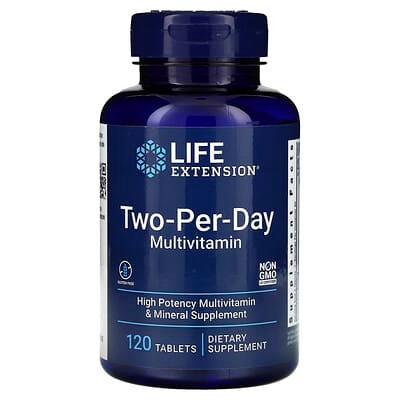


About this product
Broad vitamin and trace-mineral coverage is useful mainly for filling low dietary intake. B vitamins support normal energy and nerve function, while vitamin C and zinc contribute to nutrient-dependent immune and tissue functions. Higher amounts do not establish additional focus, mood or vitality benefits when nutritional needs are already met.
The 75 mg B6 serving exceeds the adult daily upper limit cited in the supplied reference and is a material consideration for ongoing use. Zinc at 25 mg comes from identified citrate and methionine sources, but their shares and the copper quantity remain unclear. Magnesium oxide at 100 mg offers only partial mineral coverage, and no calcium contribution is declared.
Several mixed-source nutrients remain difficult to compare because proportions are missing, and the exact chromium form is unresolved. Marigold extract lacks confirmed active-carotenoid amounts, while the small alpha-lipoic acid and apigenin additions do not establish the wider benefits associated with larger or specific preparations. Value is clearest when multiple nutrient gaps justify the formula and the high B6 amount has been reviewed.
Pros
Many nutrient amounts and forms are clearly named Iodine uses identified potassium iodide Zinc citrate and methionine sources offer clear source information
Cons
No declared calcium and only partial magnesium coverage Several mixture proportions remain unavailable Chromium chemistry and active carotenoid amounts are unresolved Small added actives do not establish weight loss or productivity benefits
Warnings
The 75 mg B6 serving exceeds the adult daily upper limit cited in the supplied reference; review prolonged use and avoid additional B6 products. Copper quantity is unavailable alongside 25 mg zinc, so mineral balance needs attention during continued use. Selenium is listed at 200 mcg; additional selenium may be unnecessary, and excessive intake can worsen hair loss.