

About this product
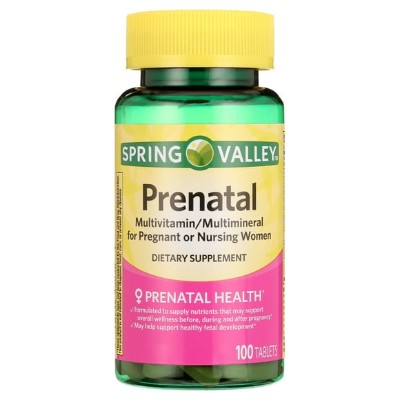
The clearest purpose is filling prenatal nutrient gaps, particularly through folate, iron and iodine. The 28 mg iron serving and 1,360 mcg DFE of folate contribute to normal blood formation, while B vitamins support normal energy metabolism. An energy benefit is most plausible when inadequate intake is contributing to tiredness.
Nutrient quantities are listed, but most chemical forms are missing, including the folate form. That limits comparisons with a specific prenatal preparation, and zinc oxide is a weaker point for absorption potential. Iron-source details are also incomplete, while the 25 mg zinc in the same serving can compete with iron absorption.
The iron, iodine and zinc contributions are economical, but the blend should be matched to individual needs rather than assumed to cover every gap. Calcium provides a modest 200 mg and vitamin D supplies 10 mcg, so those amounts require consideration alongside food and other supplements. Broader promises about productivity, hair growth or testosterone are not a sound reason to choose a prenatal formula.
Pros
Iron, folate and iodine amounts are disclosed. B vitamins support normal nutrient metabolism alongside blood-formation nutrients. Low cost for the iron, iodine and zinc contributions.
Cons
Most nutrient forms are unspecified, including the folate preparation. Zinc oxide has less favorable absorption potential than several other named zinc forms. Calcium is only a modest part of daily intake needs. The complete iron-source mixture is unclear.
Warnings
The 28 mg iron serving warrants checking before adding separate iron or another prenatal, to avoid unnecessary combined intake. Zinc at 25 mg in the same serving can compete with iron absorption; people relying on the supplement to address low iron should review that combination with their clinician.