
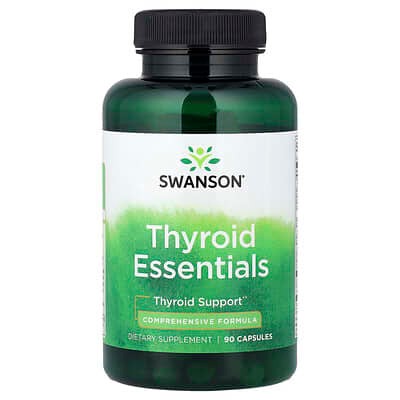


About this product
The clearest role is helping meet nutrient needs that support normal metabolism. B vitamins contribute to using carbohydrate, fat and protein, while iodine at 100 mcg supplies a component needed for thyroid-hormone production. Extra iodine or B vitamins do not establish a faster metabolism when intake and thyroid function are already adequate.
The low serving cost is appealing, but the mineral choices are uneven. Zinc oxide is less favorable for absorption, and 25 mg of magnesium is a small contribution. Zinc at 25 mg and copper at 2 mg are clearly quantified, while the folate amount is modest and its form is unresolved.
The added tyrosine and coleus do not establish a specific thyroid or weight-management effect from their names alone. Tyrosine is listed at 150 mg, a relatively low amount in the supplied findings, and sourcing or purity details are unavailable. Vitamin B6 at 25 mg is also higher than the supplied preferred nutritional range, so the whole mixture deserves review before it becomes a daily habit.
Pros
Zinc and copper amounts make their balance assessable Low serving cost for the nutrient combination Several B-vitamin sources and amounts are clearly stated
Cons
Zinc oxide is a less favorable absorption choice Magnesium and folate provide only small contributions Tyrosine is relatively low in amount and lacks sourcing details Added botanical content does not establish a thyroid or weight effect
Warnings
Iodine from kelp may not suit every thyroid-care plan; confirm the added iodine fits your needs if you already manage a thyroid condition. Vitamin B6 at 25 mg is above the supplied preferred nutritional range; check other B6-containing supplements before combining them.





