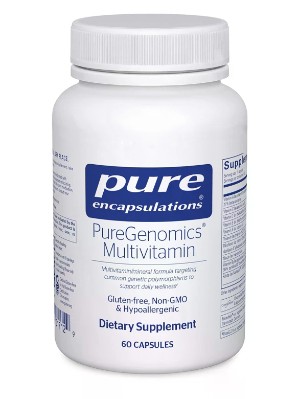


About this product
The useful role is replacing nutritional gaps, despite the specialized positioning. Folate at 1333 mcg DFE and B12 at a declared 1000 mcg support normal metabolism and blood formation. Those larger amounts and named forms do not establish extra energy or concentration in someone whose intake is adequate.
The formula identifies both adenosylcobalamin and hydroxocobalamin for B12, and several minerals have named sources, including zinc citrate and molybdenum glycinate. Vitamin K1 and MK-7 are listed separately, but some combined declarations remain unresolved and should not be merged by assumption. The 20 mcg MK-7 amount is below the comparison range in the supplied findings.
Vitamin D at 25 mcg adds meaningful nutritional bone support, while the carotenoid declarations leave uncertainty about equivalent active lutein exposure. Boron and biotin amounts offer limited grounds for targeted hormone or nail benefits. Several individual nutrient contributions are costly, making the case strongest when the whole blend fits the user's dietary needs.
Pros
Both B12 sources are identified Zinc citrate and several trace-mineral forms are named Vitamin D contributes to normal calcium absorption and mineralization
Cons
Higher folate and B12 amounts do not establish extra mental or energy benefits Some nutrient declarations remain unresolved Lutein-related labeling does not establish matched active exposure Several individual nutrient contributions offer limited value Copper content is not disclosed
Warnings
The 25 mg zinc serving needs to be included when assessing total daily zinc, especially alongside another multivitamin or zinc supplement.