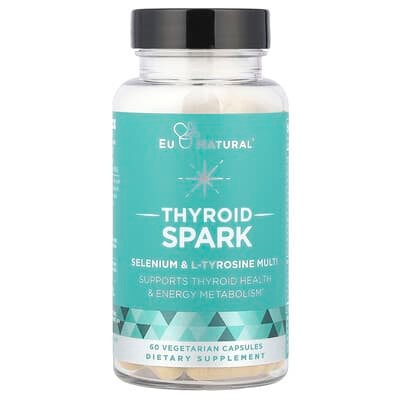


About this product
Support for normal nutrition is clearer than a targeted thyroid or energy effect. B vitamins contribute to using energy from food, while iodine supports normal thyroid hormone production when intake is low. Extra nutrients do not establish faster calorie burning or an immediate boost in concentration.
Vitamin D3, methylfolate and selenomethionine are identified, but the 604 mg thyroid complex leaves individual contributions unresolved. Iodine comes from kelp and potassium iodide without clear source proportions, and the kelp sourcing details are incomplete. Ashwagandha and tyrosine findings also remain unresolved, so their presence and useful individual amounts cannot be assumed from the blend name.
The listed 4,000 IU vitamin D is substantial without establishing greater benefit. Zinc is listed at 22.5 mg alongside only 0.5 mg copper, while 80 mg magnesium makes a relatively small contribution. The relatively high cost and unresolved blend make it harder to justify for a narrow nutrient need.
Pros
Methylfolate and vitamin D3 have clearly named forms Selenium is identified as selenomethionine Zinc and copper amounts are both disclosed
Cons
The thyroid complex does not reveal individual ingredient amounts Iodine source proportions and kelp sourcing details are unclear The zinc amount is large relative to the disclosed copper amount The magnesium contribution is limited Relatively high cost for isolated nutrient needs
Warnings
The listed 4,000 IU vitamin D adds substantially to vitamin D from other supplements; check the combined amount before stacking them. Iodine appears under two source entries, but the findings identify a shared amount; verify the total rather than treating the entries as separate full doses.