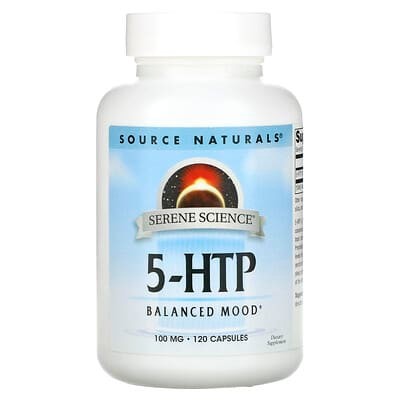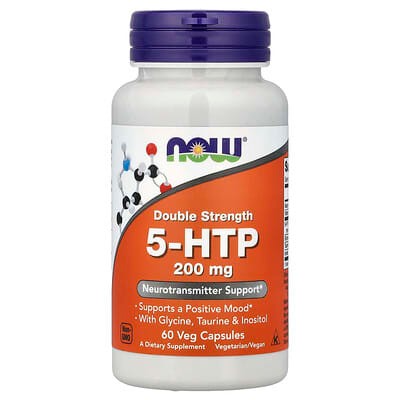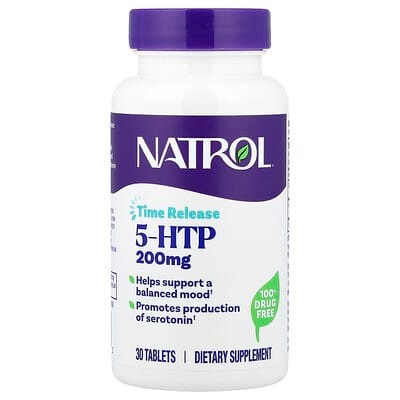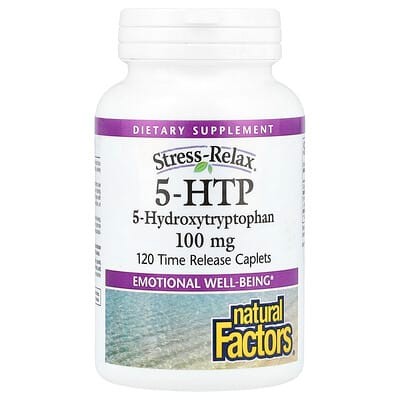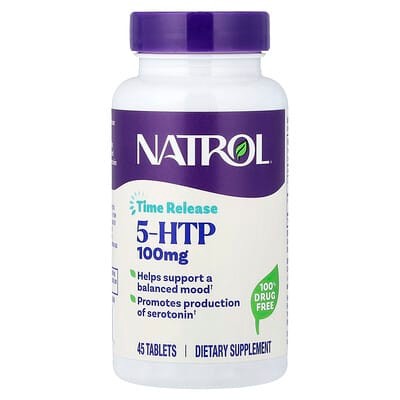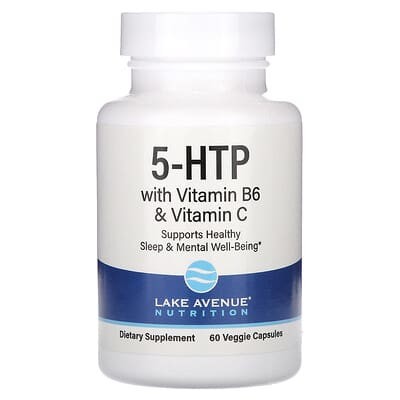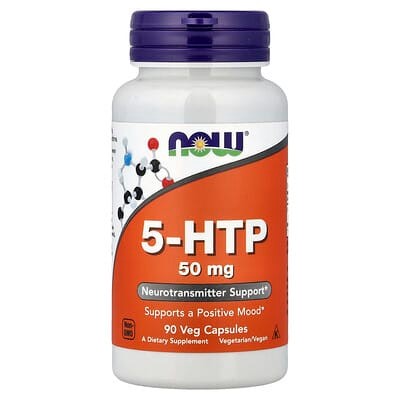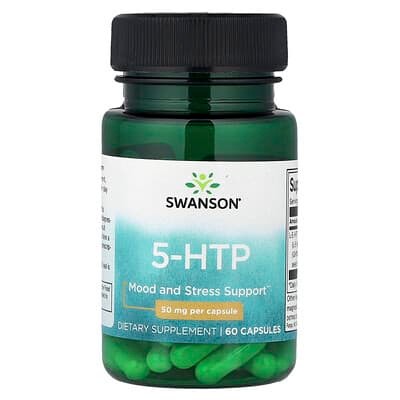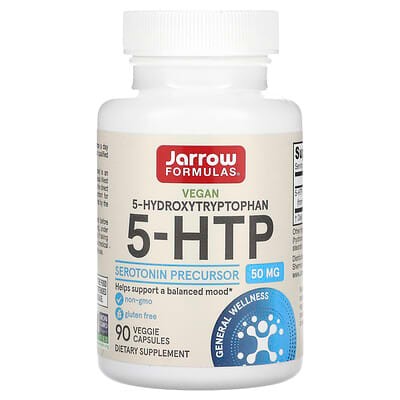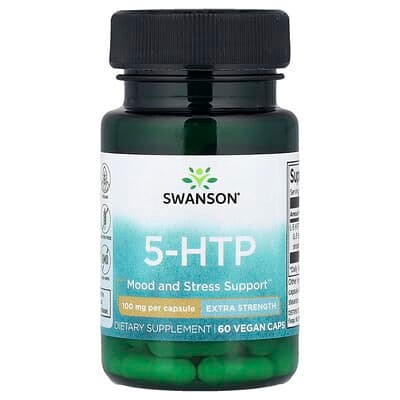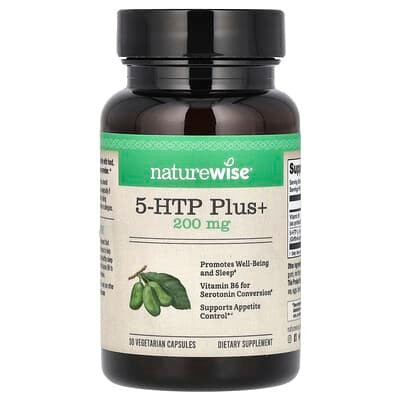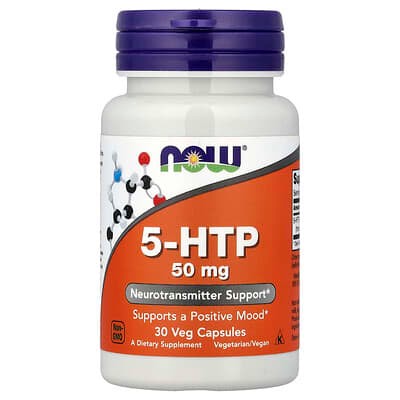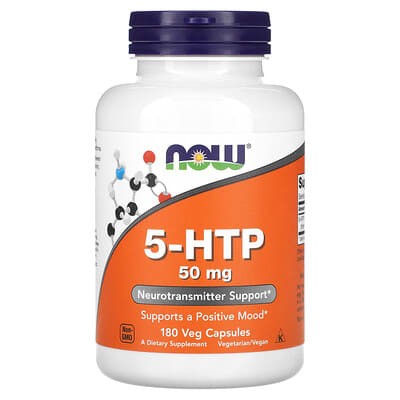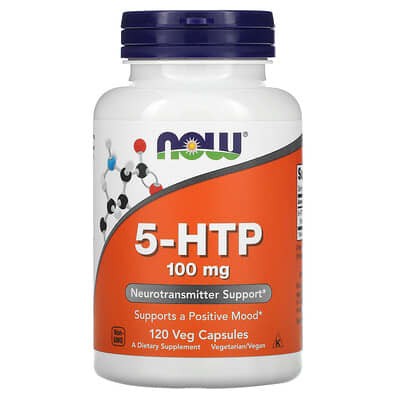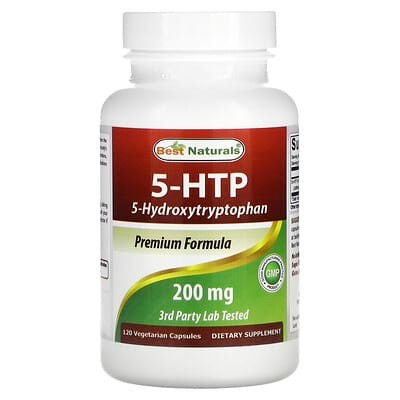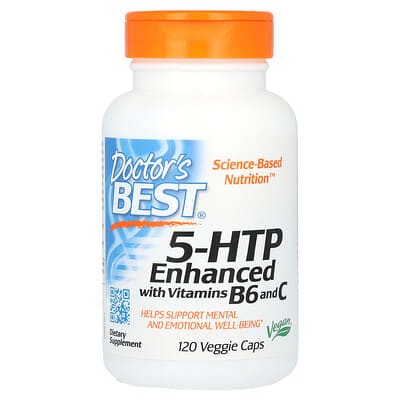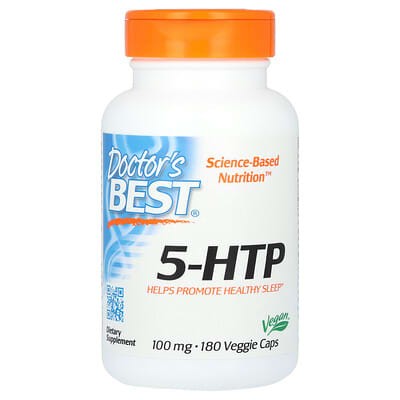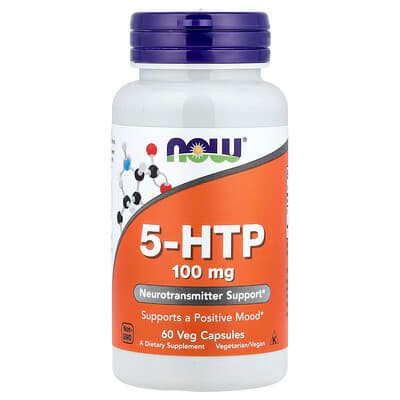
5-HTP

amino acid

5-HTP is an intermediate in the pathway that converts L-tryptophan into serotonin. By supporting serotonin production, it can influence levels of this neurotransmitter in the brain. This conversion requires cofactors, particularly vitamin B6. Serotonin helps regulate mood, sleep cycles, and appetite, so supporting its production can contribute to well-being. 5-HTP supplementation may support mood balance, sleep quality, and appetite regulation by increasing serotonin availability. Supplements commonly use 5-HTP extracted from the seeds of the African plant Griffonia simplicifolia.

Natural sources
Griffonia simplicifolia seeds

Ingredient forms

No public comparison lists found.

Optimal Dosage
Minimum100 mg
Maximum300 mg
Safety & Toxicity
Toxicity Threshold300 mg
Toxicity EffectNausea, vomiting; risk of serotonin syndrome
5 safety notes
  • Pregnant or breastfeeding women should avoid 5-HTP due to insufficient safety data.
  • Individuals with heart disease, kidney disease, or scleroderma should consult a healthcare professional before use.
  • Do not exceed recommended dosages, as very high doses can lead to a potentially serious condition called serotonin syndrome.
  • Discontinue use and seek immediate medical attention if experiencing symptoms of serotonin syndrome (e.g., agitation, confusion, rapid heart rate, hallucinations, fever, severe muscle rigidity, twitching, sweating, loss of coordination).
  • Exercise caution when driving or operating heavy machinery due to potential drowsiness or sedation.
Goals
Mood Support
Impact
High effect
Typical dose:50–300 mg

As the intermediate step between L-tryptophan and serotonin, 5-HTP bypasses the rate-limiting step in serotonin production, making it a more direct and often faster-acting supplement. Use with caution if taking SSRI medication.

Focuses on
Depressive symptomsSerotonin synthesisEmotional regulationMood balanceMental outlook
Most relevant for
Individuals seeking a direct precursor to support serotonin production for better mood management.

Potential benefits

  • Reduction in Depressive Symptoms.Clinical studies and meta-analyses suggest 5-HTP may help alleviate symptoms of depression, with some trials showing efficacy comparable to standard treatments in specific populations.
  • Serotonin Modulation.Research confirms that oral 5-HTP significantly increases serum serotonin levels, providing the necessary building blocks for the neurotransmitter responsible for mood regulation.
  • Support for Low Mood in Older Adults.Unconfirmed. Small-scale research indicates that daily supplementation may improve geriatric depression scores and cognitive performance in older adults through serotonergic pathways.

Limitations

  • Inconsistent Clinical Evidence.Systematic reviews note that many supportive studies are small, methodologically weak, or lack placebo controls, preventing definitive conclusions on its effectiveness.
  • Context-Dependent Outcomes.While 5-HTP increases serotonin, it failed to improve mood, anxiety, or stress scores in trials involving specific conditions like IBD-related fatigue.
  • Clinical Population Focus.Most supportive evidence involves patients with diagnosed clinical depression; benefits for general mood support in healthy individuals remain unproven and unconfirmed.
Things to consider

Use with caution if taking SSRIs, MAOIs, or other antidepressants, as combining them can lead to serious serotonin-related complications. Be aware of historical concerns regarding contaminants and Eosinophilia-Myalgia Syndrome (EMS).

Study evidence

9 studies

Research suggests that 5-HTP may reduce depressive symptoms in some settings, but weaknesses in the evidence prevent a firm conclusion. Results do not establish reliable everyday mood improvement, and effectiveness and safety remain insufficiently defined.

View goal

Sleep Support
Impact
Situational effect
Typical dose:50–300 mg

The body uses 5-HTP to make serotonin, which is also involved in melatonin production. This pathway does not establish a useful sleep benefit from supplementation. Combining 5-HTP with medicines that increase serotonin can be dangerous; seek professional advice before use, particularly when taking antidepressants.

Focuses on
Subjective sleep qualityOlder adultsPoor sleepersSerotonin precursor
Most relevant for
Older adults who currently experience poor sleep quality.

Potential benefits

  • Subjective sleep quality.Research indicates that 100mg of daily 5-HTP may improve perceived sleep quality in older adults who are already poor sleepers.
  • Gut microbiota diversity.Unconfirmed. One study observed an increase in gut bacteria diversity and short-chain fatty acid-producing bacteria in poor sleepers taking 5-HTP.

Limitations

  • Narrow demographic.The current evidence is limited to older adults and may not apply to younger populations or different age groups.
  • Baseline sleep status.Benefits appear specific to those with poor sleep; no significant improvements were found for individuals who already sleep well.
  • Limited research.Findings are based on a single small-scale study, meaning there is significant uncertainty regarding its general effectiveness for sleep support.
Things to consider

5-HTP can interact dangerously with medications that increase serotonin levels, such as antidepressants. Consult a healthcare professional before use.

Study evidence

1 study

Early research suggests that 5-HTP may improve some aspects of sleep in older adults who already sleep poorly. The evidence is limited and does not establish a dependable benefit for people who sleep well or for other age groups.

View goal
Stress Relief
Impact
Situational effect
Typical dose:50–200 mg

5-Hydroxytryptophan bypasses the rate-limiting step in serotonin production. This can help elevate levels of this key neurotransmitter, potentially improving mood, reducing anxiety, and promoting better sleep, but should be used with caution and awareness of potential interactions.

Focuses on
Anxiety symptom reductionPanic response modulationMood supportEmotional resilienceSerotonin precursor
Most relevant for
Individuals managing specific anxiety or panic symptoms rather than general everyday stress.

Potential benefits

  • Anxiety Symptom Reduction.Clinical trials show 5-HTP may moderately reduce symptoms on standardized anxiety scales for those with diagnosed anxiety disorders.
  • Panic Inhibition.Research indicates it can help reduce subjective anxiety and physical symptoms during panic-inducing triggers in sensitive individuals.
  • Situational Emotional Support.Unconfirmed. Small, single-arm studies suggest it may help process high levels of romantic stress, though this effect is not yet proven in controlled trials.

Limitations

  • Limited Effect in Healthy Adults.In studies of healthy volunteers, 5-HTP did not significantly alter panic or stress responses, suggesting it may not provide relief for those without clinical symptoms.
  • Evidence Gaps for PTSD.Systematic reviews have found no clear evidence that 5-HTP prevents the development of post-traumatic stress disorder following traumatic events.
  • Variable Biological Response.Hormonal responses to 5-HTP vary significantly by sex and mental health status, making its effects on stress markers like cortisol unpredictable.
Things to consider

Gastrointestinal side effects like nausea and vomiting are common, especially at higher doses.

Study evidence

18 studies

5-HTP has shown some promise for anxiety and stress-related symptoms, but the available research does not establish reliable relief from everyday stress. Much of the evidence involves anxiety disorders, uncontrolled studies, or hormone responses rather than sustained improvements in how people feel.

View goal
Weight Loss
Impact
Situational effect
Typical dose:100–500 mg

By increasing serotonin synthesis in the brain, 5-HTP can promote feelings of satiety earlier in a meal. This is situationally effective for individuals who struggle with emotional eating or intense carbohydrate cravings, helping to enforce calorie control.

Focuses on
Appetite controlCarbohydrate cravingsSatietyCaloric intake reductionFat mass reduction
Most relevant for
Individuals with obesity or overweight who struggle with hunger management and carbohydrate-rich eating patterns.

Potential benefits

  • Increased Satiety.Research suggests 5-HTP promotes feelings of fullness earlier in a meal, leading to a spontaneous reduction in total calorie and carbohydrate intake.
  • Weight Loss Support.Clinical trials in individuals with obesity demonstrate significant weight reduction associated with 5-HTP use, even in the absence of prescribed dietary restrictions.
  • Fat Mass Reduction.Preliminary evidence in exercise-trained adults indicates that daily supplementation may help reduce fat mass, although these changes may not significantly impact overall body fat percentage.

Limitations

  • Short-Term Evidence.Most clinical trials were limited to 12 weeks or fewer, meaning the long-term effectiveness and sustainability of weight loss remain unproven.
  • Population Constraints.Strongest benefits are observed in populations with obesity or type 2 diabetes; results for individuals with a healthy BMI or high activity levels are less consistent.
  • Variable Body Composition.While some studies show fat mass reduction, others indicate no significant impact on lean body mass or body fat percentage, suggesting highly variable results.

Study evidence

5 studies

5-HTP may reduce appetite and support weight loss, with encouraging findings in people with obesity or overweight. The available trials are preliminary, and evidence for lasting weight control or consistent improvements in body composition remains limited.

View goal

Studies

Research connections will load here.
Interactions
Sources

Up to five highest-ranked published examples per goal. Study counts and charts include all published studies for the connection.

  1. Comparative study of efficacy of l-5-hydroxytryptophan and fluoxetine in patients presenting with first depressive episode.
    Jangid P; Malik P; Singh P; Sharma M; Gulia AK · Asian journal of psychiatry · 2013
    Randomized trial70 participantsMood Support
  2. The Impact of 5-Hydroxytryptophan Supplementation on Cognitive Function and Mood in Singapore Older Adults: A Randomized Controlled Trial.
    Li S; Sutanto CN; Xia X; Kim JE · Nutrients · 2025
    Randomized trial30 participantsMood Support
  3. Effects of 5-hydroxytryptophan on distinct types of depression: a systematic review and meta-analysis.
    Javelle F; Lampit A; Bloch W; Häussermann P; Johnson SL; Zimmer P · Nutrition reviews · 2020
    Meta-analysis13 studies pooledMood Support
  4. Tryptophan and 5-hydroxytryptophan for depression.
    Shaw K; Turner J; Del Mar C · The Cochrane database of systematic reviews · 2002
    Systematic review64 participants2 studies pooledMood Support
  5. 5-Hydroxytryptophan (5-HTP) and a MAOI (nialamide) in the treatment of depressions. A double-blind controlled study.
    Aliño JJ; Gutierrez JL; Iglesias ML · International pharmacopsychiatry · 1976
    Non-randomized trial30 participantsMood Support
  6. The impact of 5-hydroxytryptophan supplementation on sleep quality and gut microbiota composition in older adults: A randomized controlled trial.
    Sutanto CN; Xia X; Heng CW; Tan YS; Lee DPS; Fam J; Kim JE · Clinical nutrition (Edinburgh, Scotland) · 2024
    Randomized trial30 participantsSleep Support
  7. Effect of a serotonin precursor and uptake inhibitor in anxiety disorders; a double-blind comparison of 5-hydroxytryptophan, clomipramine and placebo.
    Kahn RS; Westenberg HG; Verhoeven WM; Gispen-de Wied CC; Kamerbeek WD · International clinical psychopharmacology · 1987
    Randomized trial45 participantsStress Relief
  8. Acute L-5-hydroxytryptophan administration inhibits carbon dioxide-induced panic in panic disorder patients.
    Schruers K; van Diest R; Overbeek T; Griez E · Psychiatry research · 2003
    Randomized trial48 participantsStress Relief
  9. Pharmacology of rising oral doses of 5-hydroxytryptophan with carbidopa.
    Smarius LJ; Jacobs GE; Hoeberechts-Lefrandt DH; de Kam ML; van der Post JP; de Rijk R; van Pelt J; Schoemaker RC; Zitman FG; van Gerven JM; Gijsman HJ · Journal of psychopharmacology (Oxford, England) · 2008
    Randomized trialStress Relief
  10. Enhanced tolerability of the 5-hydroxytryptophane challenge test combined with granisetron.
    Jacobs GE; Kamerling IM; de Kam ML; Derijk RH; van Pelt J; Zitman FG; van Gerven JM · Journal of psychopharmacology (Oxford, England) · 2010
    Randomized trialStress Relief
  11. An open-label trial of L-5-hydroxytryptophan in subjects with romantic stress.
    Emanuele E; Bertona M; Minoretti P; Geroldi D · Neuro endocrinology letters · 2011
    Single-arm trial15 participantsStress Relief
  12. The Effects of 5-HTP on Body Composition: An 8-Week Preliminary RCT.
    Evans C; Mekhail V; Curtis J; Czartoryski P; Kaminski J; Ellerbroek A; Bustillo E; Jiannine L; Santana JC; Antonio J · Journal of dietary supplements · 2023
    Randomized trial48 participantsWeight Loss
  13. Effects of oral 5-hydroxy-tryptophan on energy intake and macronutrient selection in non-insulin dependent diabetic patients.
    Cangiano C; Laviano A; Del Ben M; Preziosa I; Angelico F; Cascino A; Rossi-Fanelli F · International journal of obesity and related metabolic disorders : journal of the International Association for the Study of Obesity · 1998
    Randomized trial25 participantsWeight Loss
  14. The effects of oral 5-hydroxytryptophan administration on feeding behavior in obese adult female subjects.
    Ceci F; Cangiano C; Cairella M; Cascino A; Del Ben M; Muscaritoli M; Sibilia L; Rossi Fanelli F · Journal of neural transmission · 1989
    Clinical trial19 participantsWeight Loss
  15. Serotonergic drugs : effects on appetite expression and use for the treatment of obesity.
    Halford JC; Harrold JA; Boyland EJ; Lawton CL; Blundell JE · Drugs · 2007
    Narrative reviewWeight Loss
  16. Eating behavior and adherence to dietary prescriptions in obese adult subjects treated with 5-hydroxytryptophan.
    Cangiano C; Ceci F; Cascino A; Del Ben M; Laviano A; Muscaritoli M; Antonucci F; Rossi-Fanelli F · The American journal of clinical nutrition · 1992
    Randomized trial20 participantsWeight Loss