Impact
Highest effect
Typical dose:5000–15000 mg
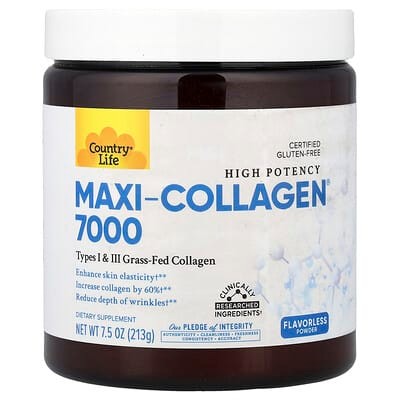
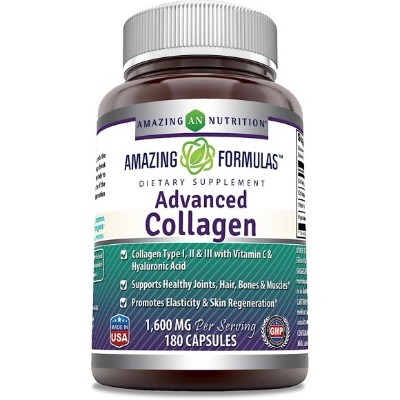
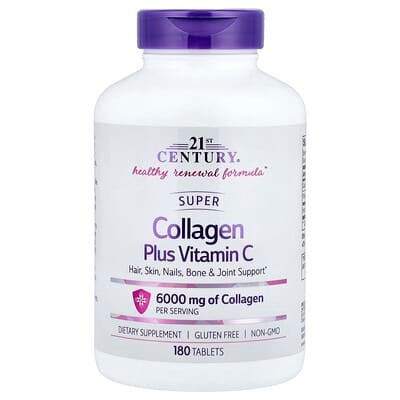
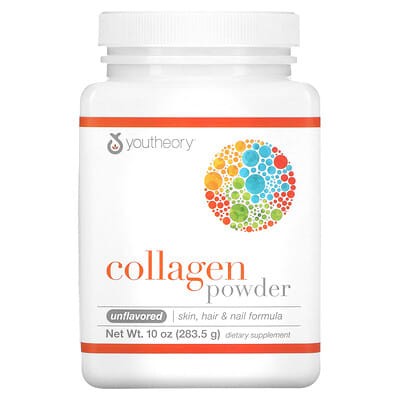
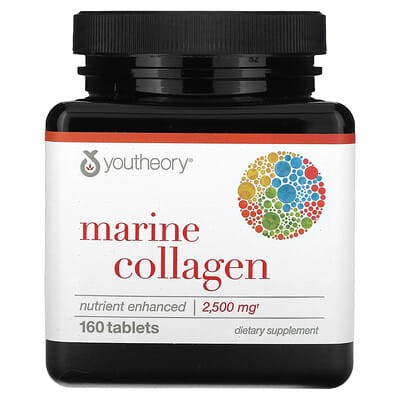
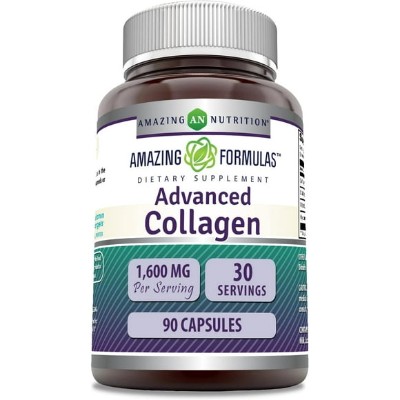
Hydrolyzed collagen peptides are easily absorbed and have been clinically shown to accumulate in cartilage, stimulating the production of new connective tissue, reducing joint pain, and improving function.
Study evidence
49 studiesCollagen supplements may modestly reduce knee pain and improve function in people with osteoarthritis or activity-related discomfort. Results vary across collagen preparations, and some trials find no advantage over placebo; symptom relief does not establish cartilage repair or prevention of joint disease.
View goal