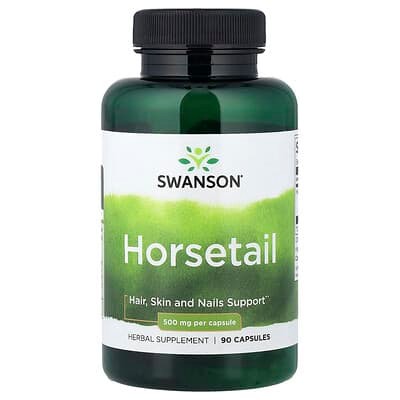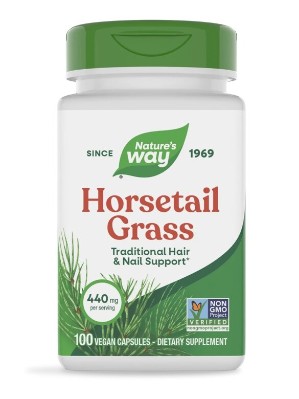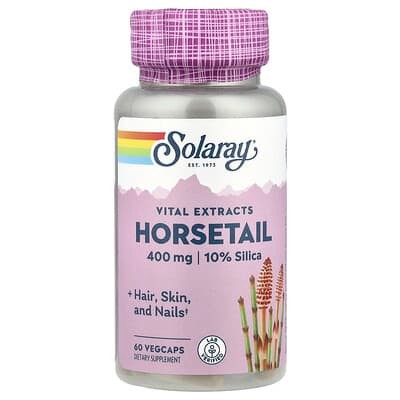
Impact
High effect
Typical dose:300–900 mg
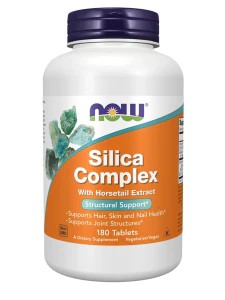
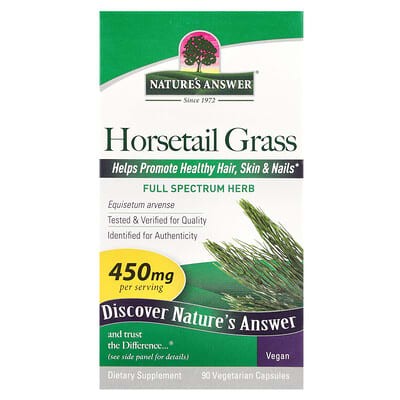
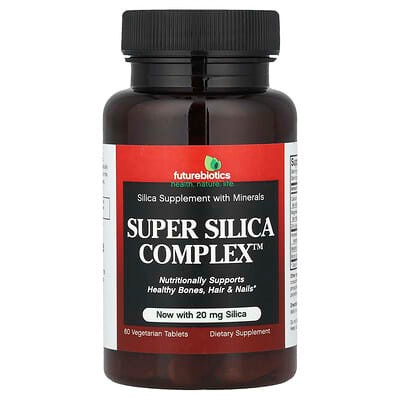
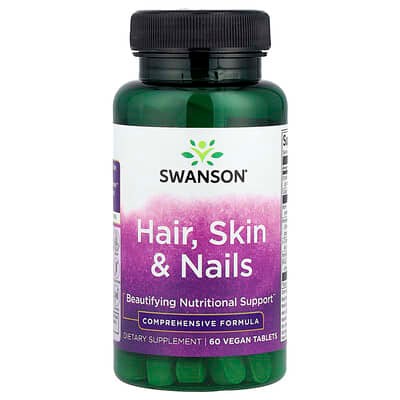
Horsetail extract is one of the most concentrated botanical sources of silica (silicon). This mineral is vital for the structural integrity of connective tissues. It enhances the strength and quality of the nail plate, reducing brittleness and improving surface appearance.
- Focuses on
- Most relevant for
- Individuals seeking to support nail structure and address brittleness through plant-based mineral sources.
Potential benefits
- Silica Supplementation.Unconfirmed. Horsetail is a concentrated botanical source of silica, which is theorized to support nail integrity, though direct clinical evidence for this goal is currently unproven.
- Structural Support.Unconfirmed. The mineral content in horsetail may help strengthen the nail plate by supporting keratin fibers, but these effects have not been confirmed in human trials.
Limitations
- Lack of Clinical Evidence.There is no linked clinical research provided to confirm that horsetail supplementation directly improves nail health outcomes.
- Theoretical Mechanism.Benefits are largely inferred from the plant's mineral composition rather than demonstrated improvements in nail growth or quality.
Study evidence
No published studies for this goal yet.
View goal