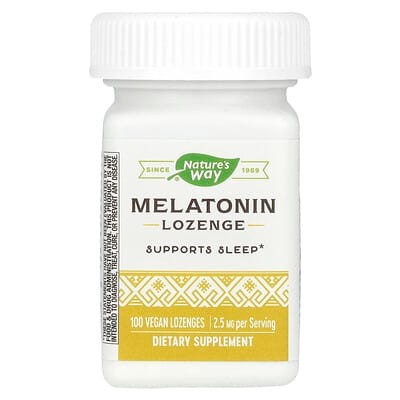
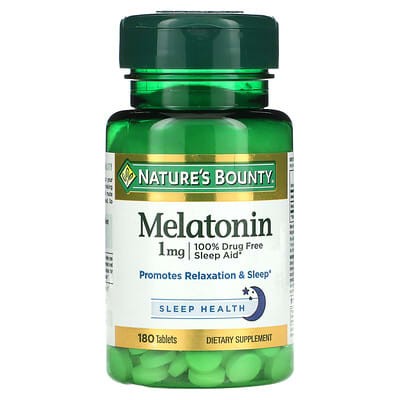
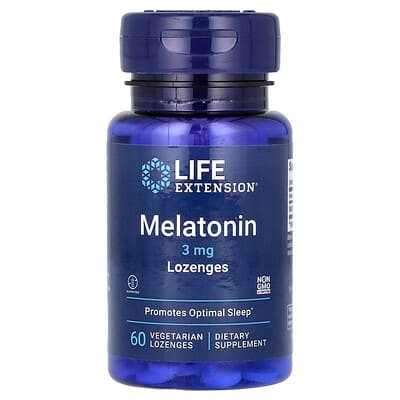
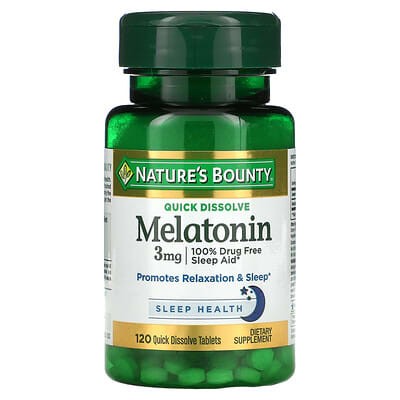
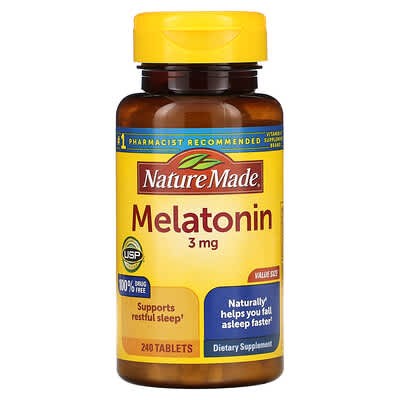
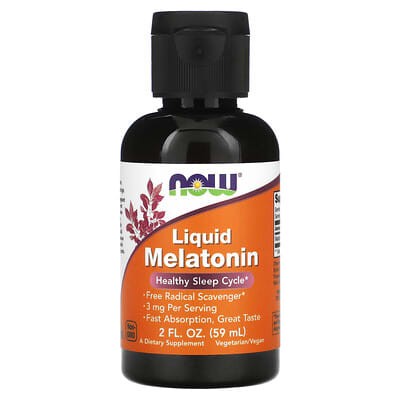
Melatonin

non-nutrient_non-botanical

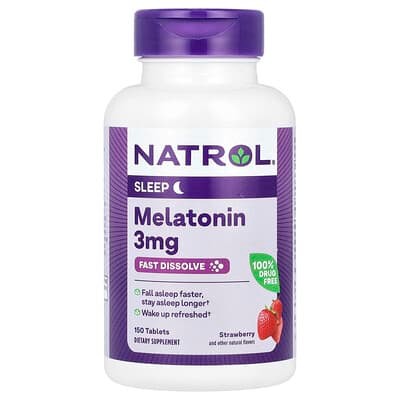
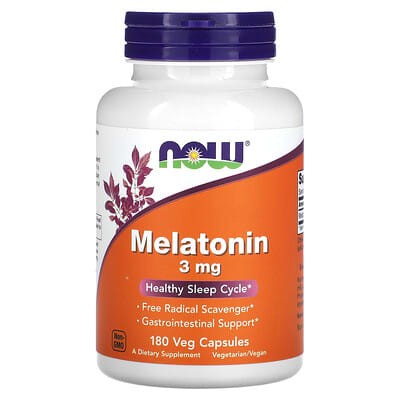
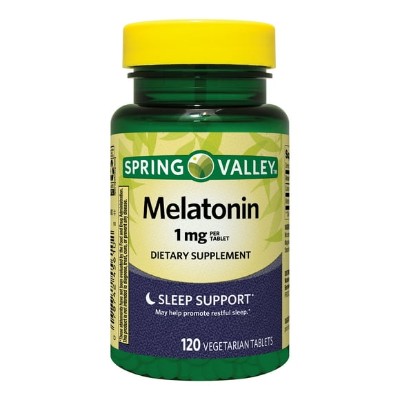
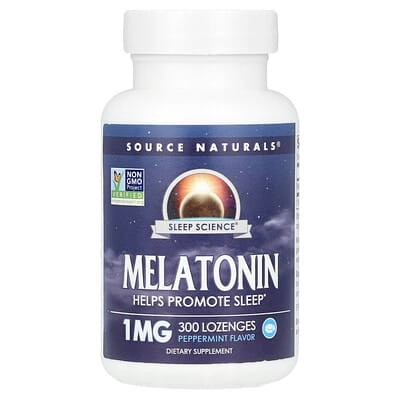
Melatonin is a naturally occurring hormone produced primarily by the pineal gland in the brain. It plays a central role in regulating the circadian rhythm, which acts as the body's internal clock for sleep-wake cycles. Its production is sensitive to light; levels typically rise in the evening as darkness falls to promote sleepiness and decrease in the morning with light exposure. When used as a supplement, melatonin helps address various sleep disturbances by mimicking these natural signals. It assists in adjusting the internal clock, which may make it easier to fall asleep and improve overall sleep quality, particularly when natural rhythms are disrupted. It is also believed to have mild antioxidant properties. Melatonin is available in multiple forms, including tablets, capsules, and liquids, and is a common choice for managing jet lag, shift work sleep disorder, or occasional insomnia. Its effectiveness comes from its role in signaling the start of night to the brain, facilitating a smoother transition into sleep.

Natural sources
Pineal gland (human body)CherriesCornOatsRiceTomatoesWalnutsAlmonds

No public comparison lists found.

Optimal Dosage
Minimum1 mg
Maximum5 mg
Safety & Toxicity
Toxicity Threshold5000 mg
Toxicity EffectDrowsiness, confusion, dizziness
5 safety notes
  • Do not drive or operate heavy machinery after taking melatonin.
  • Consult a healthcare professional before use if pregnant, nursing, or have a medical condition (e.g., autoimmune disease, depression, seizure disorder).
  • Avoid alcohol when taking melatonin.
  • May affect blood sugar levels, caution for individuals with diabetes.
  • May affect blood pressure, caution for individuals with hypertension or hypotension.
Goals
Sleep Support
Impact
High effect
Typical dose:0.3–5 mg

Melatonin signals biological night and can help in certain circadian rhythm problems. Its usefulness differs from treating persistent difficulty sleeping, and evidence does not support it as a general treatment for chronic insomnia. Timing matters, more is not necessarily better, and long-term safety is not well established.

Focuses on
Sleep onset timingTotal sleep durationSubjective sleep qualityCircadian rhythm adjustmentAge-related sleep changes
Most relevant for
Individuals with delayed sleep-wake cycles, age-related sleep difficulties, or specific neurodevelopmental conditions.

Potential benefits

  • Faster sleep onset.Melatonin can modestly reduce the time it takes to fall asleep, particularly for those with delayed sleep phase syndrome or neurodevelopmental disorders.
  • Support for older adults.Prolonged-release formulations have shown effectiveness in improving sleep quality and morning alertness in adults aged 55 and older.
  • Increased total sleep time.Evidence suggests a small but statistically significant increase in total sleep duration, often averaging around 13 minutes.

Limitations

  • Inconsistent for chronic insomnia.Meta-analyses indicate that melatonin is often no more effective than placebo for treating chronic primary insomnia in adults.
  • Limited impact on staying asleep.Research consistently shows little to no benefit for reducing nighttime awakenings or improving sleep maintenance.
  • Modest clinical significance.The magnitude of improvement in sleep latency and duration is often small and may not meet the threshold for a clinically meaningful change for all users.
Things to consider

Higher doses may cause next-day drowsiness, lingering sedation, or reduced core body temperature. Some observational research in students has associated ongoing usage with increased sleep disturbances.

Study evidence

181 studies

Melatonin can help some people fall asleep sooner and modestly improve sleep, especially when sleep timing is delayed or in selected older adults. Benefits depend on the sleep problem and formulation; it does not consistently improve adult chronic insomnia or nighttime awakenings.

View goal
Testosterone Support
Impact
High effect
Typical dose:0.3–3 mg

The majority of daily testosterone release occurs during sleep. Melatonin supplementation can normalize circadian rhythms and improve sleep architecture, directly addressing a common and potent cause of suppressed testosterone levels. Quality sleep is essential for a healthy hormonal profile.

Focuses on
Sleep QualityCircadian RhythmSleep-Wake CycleHPG Axis Regulation
Most relevant for
Individuals focused on improving sleep as a foundation for hormonal health, despite a lack of evidence for direct testosterone boosting.

Potential benefits

  • Sleep-Related Regulation.Unconfirmed. Melatonin's role in improving sleep quality is hypothesized to support natural testosterone production, but direct clinical evidence showing an increase in testosterone is currently lacking.
  • Circadian Synchronization.Unconfirmed. Maintaining a regular internal clock is vital for endocrine health, though the specific impact of melatonin supplements on testosterone levels remains unproven.

Limitations

  • Null Clinical Results.Multiple clinical trials in healthy men have found that melatonin supplementation, even at high doses, does not significantly increase testosterone levels.
  • Hormonal Variability.In specific groups like women with PCOS, melatonin has been shown to decrease testosterone, suggesting its effects on hormones are complex and population-dependent.
Things to consider

Supplementation may elevate prolactin levels or decrease next-day luteinizing hormone (LH), and it has been shown to lower testosterone in women with specific conditions.

Study evidence

6 studies

The supplied research does not support Melatonin as a way to raise testosterone. Studies in men generally found unchanged testosterone, while a reduction reported in women with polycystic ovary syndrome concerns a different hormonal condition and does not establish harm in men.

View goal
Anti-Aging
Impact
Situational effect
Typical dose:0.3–3 mg

Natural melatonin production declines with age, disrupting circadian rhythms. Low-dose supplementation is highly effective for restoring a healthy sleep-wake cycle. While it is also a potent antioxidant, its primary, clinically-validated benefit is as a chronobiotic, making it most suitable for individuals with specific sleep challenges rather than a universal anti-aging supplement.

Focuses on
Circadian rhythm regulationOxidative stress reductionSkin hydration and wrinklesOvarian health support
Most relevant for
Adults experiencing age-related sleep cycle disruptions or those supplementing a comprehensive skin-aging routine.

Potential benefits

  • Circadian Rhythm Restoration.Helps synchronize internal clocks and improve sleep-wake cycles that naturally decline and fragment with age.
  • Oxidative Stress Defense.Clinically shown to increase total antioxidant capacity and reduce blood markers of oxidative protein and lipid damage.
  • Skin Barrier Support.Unconfirmed. When used alongside topical treatments, oral supplementation may help improve skin moisturization and lipid profiles in older adults.

Limitations

  • Unproven Longevity Impact.While melatonin affects cellular markers, there is no clinical evidence that it slows the general biological aging process or extends human lifespan.
  • Isolated Oral Efficacy.Evidence for skin anti-aging often relies on combined oral and topical applications, leaving the benefit of supplements alone unclear.
  • Population Specificity.Significant findings in reproductive aging are limited to women of advanced maternal age undergoing fertility treatments and may not generalize.
Things to consider

Melatonin is primarily a sleep-regulating hormone; its use should account for potential daytime drowsiness and the need for consistent timing.

Study evidence

6 studies

Melatonin has promising effects on some oxidative-stress markers and selected skin or fertility outcomes, but these are not evidence that it slows aging overall. Much of the anti-aging rationale comes from animal research, specialized populations, or combined topical and oral treatments.

View goal
Brain Health
Impact
Situational effect
Typical dose:0.5–3 mg

High-quality sleep is non-negotiable for brain health, as it's when the brain clears metabolic waste and solidifies memories. Melatonin can help normalize sleep patterns, improving sleep onset and quality, which indirectly enhances next-day mental clarity and performance.

Focuses on
Cognitive test scoresSleep-related restorationPostoperative recoveryMemory consolidationMigraine-related burden
Most relevant for
Older adults with mild cognitive impairment or those experiencing sleep disturbances related to cognitive decline.

Potential benefits

  • Cognitive Support in Impairment.Meta-analyses indicate that melatonin may modestly improve memory and global cognitive scores in adults with mild cognitive impairment or early-stage dementia.
  • Restorative Sleep Quality.Improves sleep efficiency and duration in older adults, which supports the brain's natural processes for memory consolidation and metabolic waste clearance.
  • Surgical Recovery Support.May reduce the risk of postoperative delirium and cognitive disturbance in older adults undergoing major medical procedures like heart surgery.

Limitations

  • Population Specificity.Cognitive benefits are primarily observed in individuals with existing impairment or clinical conditions; evidence for protecting healthy brains is currently unproven.
  • Mixed Research Outcomes.Trials in other groups, including childhood cancer survivors and patients with schizophrenia, have found no significant cognitive benefits from supplementation.
  • Uncertain Disease Modification.While scores on cognitive tests may improve, research has not yet established if melatonin can prevent dementia or slow its underlying progression.
Things to consider

Timing of administration may be critical for effectiveness, with some studies suggesting benefit when taken between 20:30 and 21:00. Use for clinical neuroprotection or delirium prevention requires professional medical supervision.

Study evidence

29 studies

Melatonin may modestly improve cognition in some older adults with cognitive impairment, but results are inconsistent. Evidence from these patients and specialized medical settings does not establish that melatonin protects a healthy brain or prevents dementia in the general population.

View goal
General Health
Impact
Situational effect
Typical dose:0.5–3 mg

Melatonin is a hormone that regulates the sleep-wake cycle. It is not a sedative but rather a chronobiotic agent. Low doses are highly effective for helping to align the body's circadian rhythm with a new time zone or work schedule, thereby improving sleep onset and quality.

Focuses on
Circadian rhythmJet lag recoverySleep qualityShift work adaptationSleep-wake cycles
Most relevant for
Adults crossing multiple time zones or those seeking to align their sleep-wake cycle with a specific schedule.

Potential benefits

  • Circadian Rhythm Alignment.Helps synchronize the body's internal clock with local time, specifically aiding recovery after crossing five or more time zones.
  • Sleep Quality Support.Improves subjective sleep quality measures in populations with disrupted cycles, which can indirectly support daily well-being.
  • Broad Health Improvement.Unconfirmed. Unconfirmed. Clinical evidence does not consistently support a general health or quality-of-life benefit for healthy individuals, and findings in medical populations are often mixed.

Limitations

  • Mixed Quality of Life Evidence.Several controlled trials in cancer care and general aging found no significant improvements in overall quality of life, mood, or fatigue levels.
  • Chronic Insomnia Limitations.Meta-analyses indicate it may be ineffective for long-term chronic insomnia in adults, showing more promise for circadian-related issues instead.
  • Baseline Sleep Quality.Individuals who already report good sleep quality or general health are unlikely to see measurable improvements in their wellness or rest.
Things to consider

Common side effects include headache, drowsiness, and nausea. Use caution if taking blood thinners like warfarin, as interactions may occur. While some observational data linked prescriptions to fracture risk, clinical trials in older women showed no negative impact on balance or falls.

Study evidence

69 studies

Melatonin can help with jet lag and some sleep problems, but broader general-health benefits are not consistently demonstrated. Effects vary by condition, and research on quality of life, fatigue, and disease outcomes includes substantial null findings alongside benefits in selected groups.

View goal
Immunity
Impact
Situational effect
Typical dose:0.5–5 mg

Beyond regulating sleep-wake cycles, melatonin has direct immunomodulatory effects. It can reduce the excessive inflammation and oxidative stress seen in severe infections (e.g., cytokine storm), making it a valuable tool for managing the body's response during illness.

Focuses on
Inflammatory signal controlVaccine immune modulationCellular immune activityImmune regulationCytokine regulation
Most relevant for
Individuals seeking to support their body's inflammatory balance or enhance specific cellular responses during vaccination.

Potential benefits

  • Modulating Inflammatory Markers.Clinical meta-analysis indicates that melatonin can significantly reduce pro-inflammatory cytokines such as IL-1 and IL-6, helping to regulate the body's inflammatory response.
  • Cellular Vaccine Support.Studies show that supplemental melatonin may increase the activity of specific immune cells after vaccination, potentially enhancing the cellular-level response.
  • General Immune Defense.Unconfirmed. While melatonin is used to manage excessive immune reactions during severe illness, its ability to strengthen general resistance to common infections is unproven.

Limitations

  • Inconsistent Antibody Gains.Research indicates that melatonin does not reliably improve antibody titers following vaccination, suggesting it may not enhance all aspects of immune protection.
  • Context-Dependent Evidence.Much of the research focuses on severe medical conditions or chronic diseases, making the benefits for general immune support in healthy individuals less certain.
  • Impact of Baseline Immunity.The effectiveness of melatonin can vary significantly depending on an individual's pre-existing immunity and their internal biological timing.
Things to consider

The timing of administration and an individual's chronotype should be considered, as the circadian system interacts closely with how melatonin modulates immune function.

Study evidence

10 studies

Melatonin can influence immune activity and reduce some inflammatory signals, but this does not establish that it broadly strengthens immunity. Human vaccine research shows selective changes in immune responses, while evidence for preventing everyday infections remains unestablished in the supplied research.

View goal
Showing 6 of 7 goals

Studies

Research connections will load here.
Interactions
Sources

Up to five highest-ranked published examples per goal. Study counts and charts include all published studies for the connection.

  1. Meta-analysis: melatonin for the treatment of primary sleep disorders.
    Ferracioli-Oda E; Qawasmi A; Bloch MH · PloS one · 2013
    Meta-analysis1,683 participants19 studies pooledSleep Support
  2. Melatonin treatment for age-related insomnia.
    Zhdanova IV; Wurtman RJ; Regan MM; Taylor JA; Shi JP; Leclair OU · The Journal of clinical endocrinology and metabolism · 2001
    Randomized trial30 participantsSleep Support
  3. The Effectiveness of Melatonin for Sleep Disturbances in Parkinson' Disease: Systematic Review and Meta-Analysis.
    Yousef O; Abouelmagd ME; Khaddam H; Shbani A; Yousef R; Meshref M; Hanafi I · Journal of sleep research · 2026
    Meta-analysis409 participants8 studies pooledSleep Support
  4. Nightly treatment of primary insomnia with prolonged release melatonin for 6 months: a randomized placebo controlled trial on age and endogenous melatonin as predictors of efficacy and safety.
    Wade AG; Ford I; Crawford G; McConnachie A; Nir T; Laudon M; Zisapel N · BMC medicine · 2010
    Randomized trial791 participantsSleep Support
  5. Effects of exogenous melatonin on sleep: a meta-analysis.
    Brzezinski A; Vangel MG; Wurtman RJ; Norrie G; Zhdanova I; Ben-Shushan A; Ford I · Sleep medicine reviews · 2005
    Meta-analysis284 participants8 studies pooledSleep Support
  6. Melatonin potentiates testosterone-induced suppression of luteinizing hormone secretion in normal men.
    Anderson RA; Lincoln GA; Wu FC · Human reproduction (Oxford, England) · 1994
    Randomized trial12 participantsTestosterone Support
  7. Effect of melatonin supplementation on cardiometabolic risk factors, oxidative stress and hormonal profile in PCOS patients: a systematic review and meta-analysis of randomized clinical trials.
    Ziaei S; Hasani M; Malekahmadi M; Daneshzad E; Kadkhodazadeh K; Heshmati J · Journal of ovarian research · 2024
    Meta-analysis6 studies pooledTestosterone Support
  8. Effects of Melatonin Supplementation on Hormonal, Inflammatory, Genetic, and Oxidative Stress Parameters in Women With Polycystic Ovary Syndrome.
    Jamilian M; Foroozanfard F; Mirhosseini N; Kavossian E; Aghadavod E; Bahmani F; Ostadmohammadi V; Kia M; Eftekhar T; Ayati E; Mahdavinia M; Asemi Z · Frontiers in endocrinology · 2020
    Randomized trial56 participantsTestosterone Support
  9. A pharmacological dose of melatonin increases PRL levels in males without altering those of GH, LH, FSH, TSH, testosterone or cortisol.
    Waldhauser F; Lieberman HR; Lynch HJ; Waldhauser M; Herkner K; Frisch H; Vierhapper H; Waldhäusl W; Schemper M; Wurtman RJ · Neuroendocrinology · 1987
    Clinical trial24 participantsTestosterone Support
  10. Melatonin administered in the afternoon decreases next-day luteinizing hormone levels in men: lack of antagonism by flumazenil.
    Luboshitzky R; Shen-Orr Z; Shochat T; Herer P; Lavie P · Journal of molecular neuroscience : MN · 2000
    Randomized trial6 participantsTestosterone Support
  11. Antioxidants and Fertility in Women with Ovarian Aging: A Systematic Review and Meta-Analysis.
    Shang Y; Song N; He R; Wu M · Advances in nutrition (Bethesda, Md.) · 2024
    Meta-analysis2,617 participants20 studies pooledAnti-Aging
  12. Lipidomic and Instrumental Evaluation of a Melatonin-Based In & Out Strategy Versus Topical Treatment in Skin Aging: A Randomized Prospective Trial.
    Colombo F; Alfano S; Milani M · Metabolites · 2025
    Randomized trial39 participantsAnti-Aging
  13. Melatonin supplementation attenuates cuproptosis and ferroptosis in aging cumulus and granulosa cells: potential for improving IVF outcomes in advanced maternal age.
    Tsui KH; Li CJ; Lin LT · Reproductive biology and endocrinology : RB&E · 2024
    Cohort study161 participantsAnti-Aging
  14. Melatonin and healthy aging.
    Cardinali DP · Vitamins and hormones · 2021
    Narrative reviewAnti-Aging
  15. Clinical Studies Using Topical Melatonin.
    Greco G; Di Lorenzo R; Ricci L; Di Serio T; Vardaro E; Laneri S · International journal of molecular sciences · 2024
    Narrative reviewAnti-Aging
  16. Comparative Efficacy, Tolerability, and Acceptability of Donanemab, Lecanemab, Aducanumab, Melatonin, and Aerobic Exercise for a Short Time on Cognitive Function in Mild Cognitive Impairment and Mild Alzheimer's Disease: A Systematic Review and Network Meta-Analysis.
    Terao I; Kodama W · Journal of Alzheimer's disease : JAD · 2024
    Meta-analysis4,599 participants10 studies pooledBrain Health
  17. Melatonin for sleep and cognitive outcomes in older adults with cognitive impairment: a meta-analysis of randomised controlled trials.
    Mdluli NT; Banda KJ; Chang YC · Age and ageing · 2025
    Meta-analysis516 participants10 studies pooledBrain Health
  18. Add-on prolonged-release melatonin for cognitive function and sleep in mild to moderate Alzheimer's disease: a 6-month, randomized, placebo-controlled, multicenter trial.
    Wade AG; Farmer M; Harari G; Fund N; Laudon M; Nir T; Frydman-Marom A; Zisapel N · Clinical interventions in aging · 2015
    Randomized trial80 participantsBrain Health
  19. Early Oral Melatonin Supplementation Supports White Matter Maturation in Preterm Infants: Neuroprotective Insights of an Antioxidant Molecule.
    Garofoli F; Asteggiano C; Minniti ML; Accorsi P; Albertini R; Angelini M; Aversa S; Ballante E; Cabini RF; Caporali C; Cociglio S; Franco V; Longo S; Malerba L; Materia V; Mazzocchi L; Naboni C; Palmisani M; Pullega C; Pisoni C; Preda L; Riboli A; Risso FM; Rognone E; Savini G; Simoncelli AM; Villani P; Tzialla C; Pinelli L; Fazzi E; Chiapparini L; Borgatti R; Ghirardello S; Pichiecchio A; Orcesi S · Journal of pineal research · 2026
    Randomized trial54 participantsBrain Health
  20. Efficacy and Safety of Melatonin in Migraine Prophylaxis: A Systematic Review and Meta-Analysis of Randomized Controlled Trials.
    Abouelmagd ME; Aldemerdash MA; Khatatbeh AA; Osman ASA; Abbas A; Allam S; AlEdani EM; Aldemerdash A; Monteith TS · Current pain and headache reports · 2026
    Meta-analysis788 participants9 studies pooledBrain Health
  21. Melatonin for preventing and treating jet lag.
    Herxheimer A; Petrie KJ · The Cochrane database of systematic reviews · 2001
    Systematic review10 studies pooledGeneral Health
  22. Pediatric Prolonged-Release Melatonin for Sleep in Children with Autism Spectrum Disorder: Impact on Child Behavior and Caregiver's Quality of Life.
    Schroder CM; Malow BA; Maras A; Melmed RD; Findling RL; Breddy J; Nir T; Shahmoon S; Zisapel N; Gringras P · Journal of autism and developmental disorders · 2019
    Randomized trial125 participantsGeneral Health
  23. Effect of melatonin supplementation on sleep quality: a systematic review and meta-analysis of randomized controlled trials.
    Fatemeh G; Sajjad M; Niloufar R; Neda S; Leila S; Khadijeh M · Journal of neurology · 2022
    Meta-analysis23 studies pooledGeneral Health
  24. Efficacy of melatonin for chronic insomnia: Systematic reviews and meta-analyses.
    Choi K; Lee YJ; Park S; Je NK; Suh HS · Sleep medicine reviews · 2022
    Meta-analysis24 studies pooledGeneral Health
  25. Effectiveness of melatonin for the treatment of nocturia: a randomized controlled trial.
    Leerasiri P; Pariyaeksut P; Hengrasmee P; Asumpinwong C · International urogynecology journal · 2023
    Randomized trial60 participantsGeneral Health
  26. Exogenous melatonin boosts vaccine-induced immunity in individuals with high pre-existing influenza immunity.
    Oda K; Danko J; Villasante E; Bergmann-Leitner E; Lee R; Wijayalath W · Frontiers in immunology · 2025
    Randomized trialImmunity
  27. Evaluation of melatonin effectiveness in the adjuvant treatment of ulcerative colitis.
    Chojnacki C; Wisniewska-Jarosinska M; Walecka-Kapica E; Klupinska G; Jaworek J; Chojnacki J · Journal of physiology and pharmacology : an official journal of the Polish Physiological Society · 2012
    Randomized trial60 participantsImmunity
  28. Pineal-opioid system interactions in the control of immunoinflammatory responses.
    Lissoni P; Barni S; Tancini G; Fossati V; Frigerio F · Annals of the New York Academy of Sciences · 1995
    Clinical trial130 participantsImmunity
  29. Influenza vaccine response is predicted by chronotype and differentially associated with pre- and post-vaccination sleep.
    Harrison EM; Lee RU; Porter CK; Isidean SD; Easterling AP; White L; Boulifard DA; DeTizio K; Liang Z; Sedegah M; Danko J; Glickman GL · Brain, behavior, & immunity - health · 2026
    Randomized trialImmunity
  30. Mechanisms and clinical evidence to support melatonin's use in severe COVID-19 patients to lower mortality.
    Tan DX; Reiter RJ · Life sciences · 2022
    Narrative review19 participantsImmunity
  31. The impact of oral melatonin on pain and anxiety reduction during venipuncture in pediatric patients: a double-blind randomized clinical trial.
    Rahafard S; Akbari Jokar Z; Hosseini SA; Alaee E · Annals of medicine and surgery (2012) · 2024
    Randomized trial202 participantsStress Relief
  32. Comparison of Effects of Melatonin and Gabapentin on Post Operative Anxiety and Pain in Lumbar Spine Surgery: A Randomized Clinical Trial.
    Javaherforooshzadeh F; Amirpour I; Janatmakan F; Soltanzadeh M · Anesthesiology and pain medicine · 2022
    Randomized trial90 participantsStress Relief
  33. Melatonin for pre- and postoperative anxiety in adults.
    Hansen MV; Halladin NL; Rosenberg J; Gögenur I; Møller AM · The Cochrane database of systematic reviews · 2015
    Meta-analysis774 participants12 studies pooledStress Relief
  34. Effects of melatonin intake on depression and anxiety in postmenopausal women: a systematic review and meta-analysis of randomised controlled trials.
    Demirhan Kayacik A; İlcioglu K · Archives of women's mental health · 2024
    Meta-analysis441 participants5 studies pooledStress Relief
  35. Premedication effect of melatonin on propofol induction dose for anesthesia, anxiety, orientation and sedation after abdominal surgery: a double-blinded randomized trial.
    Norouzi A; Fateh S; Modir H; Kamali A; Akrami L · Medical gas research · 2020
    Randomized trial88 participantsStress Relief