PABA
non-nutrient_non-botanicalPABA, or para-aminobenzoic acid, is a chemical compound found within the B-vitamin complex, though it is not classified as an essential vitamin for humans. It serves as a precursor in the synthesis of folate by certain bacteria, making it an important component for their growth. In the human body, PABA is involved in protein metabolism and plays a minor role in red blood cell formation, contributing to overall cellular and metabolic health. Historically, PABA was widely used in topical sunscreens for its ability to absorb ultraviolet B (UVB) rays, though its use has decreased in favor of newer, less sensitizing ingredients. Orally, it has been explored for potential applications such as supporting hair pigmentation and addressing conditions such as vitiligo and premature graying. Other investigated uses include Peyronie’s disease and scleroderma. As a non-nutrient, PABA does not have a recommended daily allowance. Its primary biochemical significance lies in its relationship with folate metabolism and its historical applications. While research on its efficacy for many internal uses is limited, it remains available as a supplement, often included in B-complex formulations to support general wellness.
No public comparison lists found.
5 safety notes
- Individuals with a sulfa drug allergy should avoid PABA as it can interfere with their action.
- High doses should be avoided in individuals with kidney disease.
- Pregnant or breastfeeding women should consult a healthcare professional before use.
- Discontinue use and consult a doctor if signs of liver damage (e.g., dark urine, yellowing of skin or eyes) occur.
- May interact with certain medications; consult a healthcare professional before use.
Studies
Positive Interactions
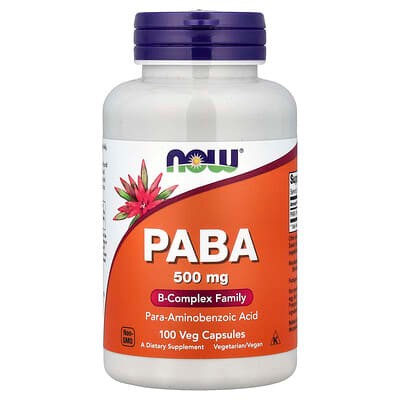
PABA 500 mg
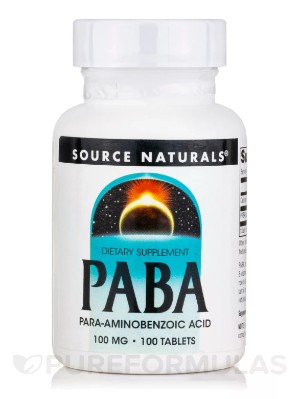
PABA 100 mg
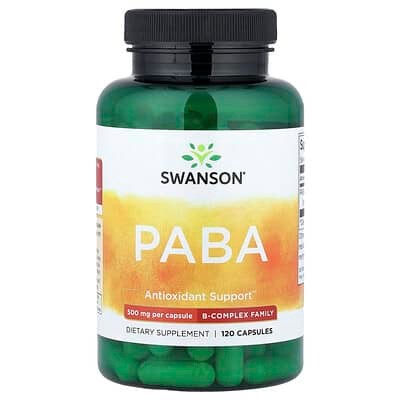
PABA 500 mg
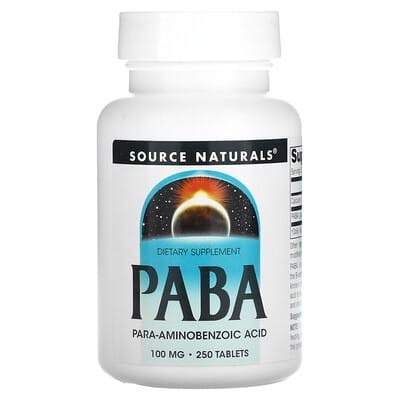
PABA 100 mg
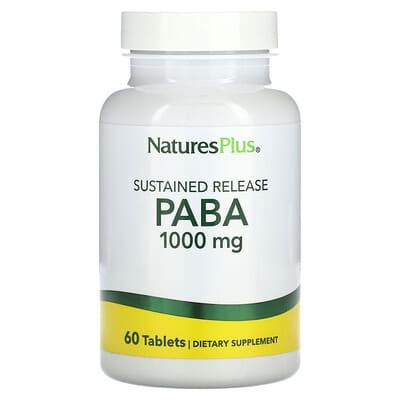
PABA 1000 mg Sustained Release
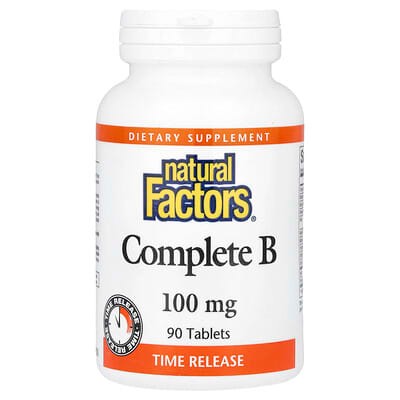
Complete B 100 mg
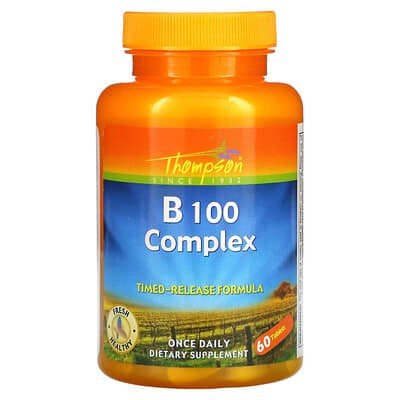
B 100 Complex
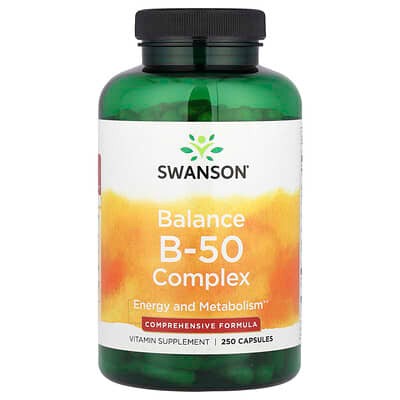
Balance B-50 Complex Comprehensive Formula
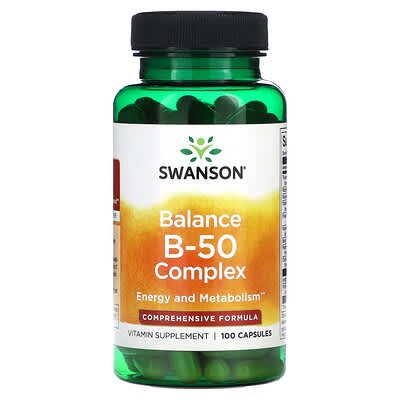
Balance B-50 Complex
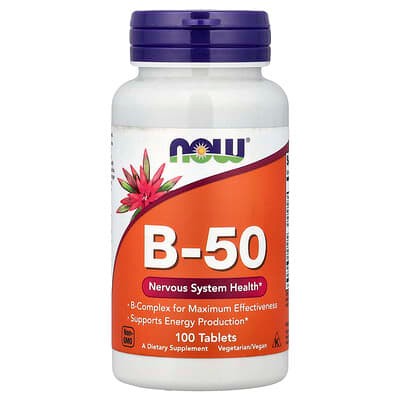
B-50
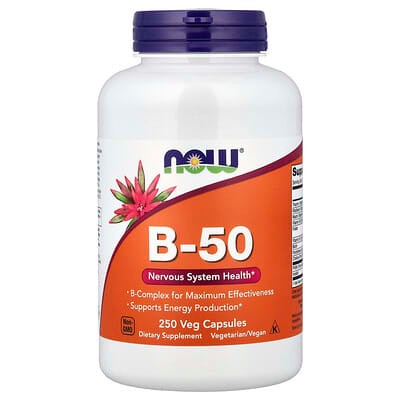
B-50
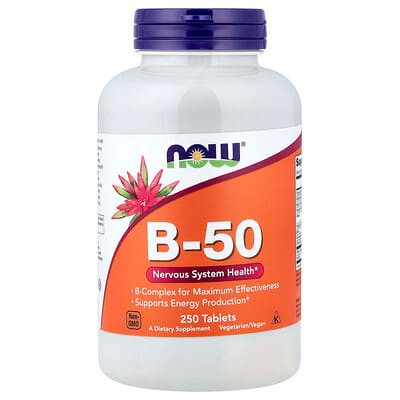
B-50
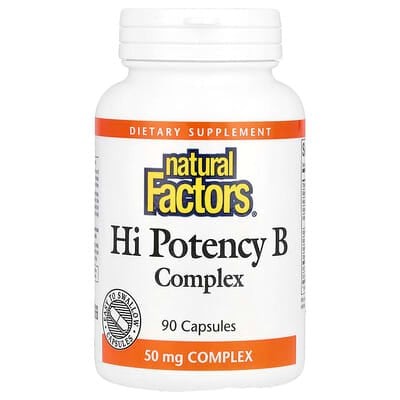
Hi Potency B Complex
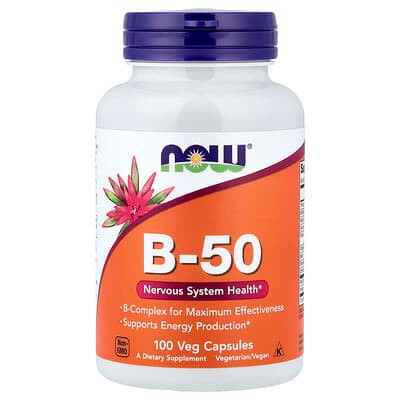
B-50

Super Stress B-Complex with Vitamin C