Impact
Highest effect
Typical dose:1.3–100 mg
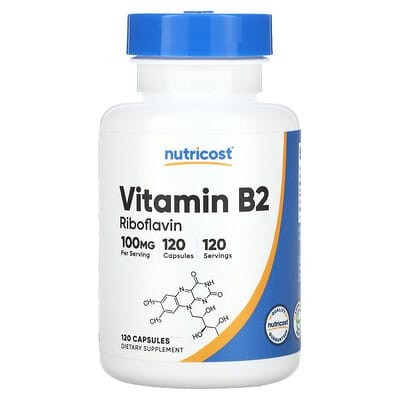
As a precursor to FAD and FMN, Riboflavin (B2) is an essential cofactor in the electron transport chain, the body's primary engine for ATP generation. A deficiency can directly impair energy metabolism and lead to fatigue.
- Focuses on
- Most relevant for
- People with physically active lifestyles or those looking to support their body's natural metabolic energy pathways.
Potential benefits
- Metabolic Energy Pathway Support.Unconfirmed. As a precursor to essential cofactors, riboflavin is involved in the biological processes that convert nutrients into ATP, though supplemental benefits for non-deficient individuals are unproven.
- Reduction in Physical Fatigue.Unconfirmed. Limited evidence suggests that riboflavin-fortified intake may help improve subjective fatigue scores in individuals with high physical work demands.
- Support for Physical Endurance.Unconfirmed. When included in a B-vitamin complex, riboflavin is associated with improved exercise performance and more efficient management of fatigue-related metabolites like lactate.
Limitations
- Lack of Isolated Evidence.Most research showing fatigue reduction uses riboflavin as part of a multi-vitamin complex or fortified food, making its independent impact unclear.
- Population Specificity.Supportive findings are often based on specific groups, such as construction workers or those with metabolic disorders, and may not apply to the general population.
- Clinical vs. Everyday Energy.While effective for treating specific inherited metabolic energy deficiencies, there is no established proof that it boosts energy in healthy adults.
Study evidence
6 studiesRiboflavin helps the body’s energy metabolism, but the supplied evidence does not establish that taking it alone reliably increases everyday energy. Limited fatigue findings come from a fortified drink, vitamin combinations and clinical conditions that may not apply to otherwise healthy people.
View goal