
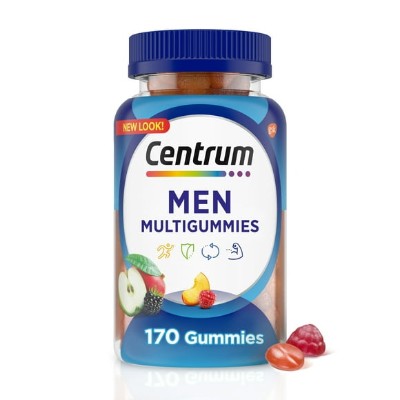

$21.94 $1.46 per serving


Product analysis
Source of Life Mini-Tabs No Iron may help fill everyday nutrient gaps and support normal energy use, nerve function and immune function. Several blends lack a full breakdown, making it harder to judge what they add.
AI assessment of the formula, label and price. How scoring works
Nutrient Quality50
Several vitamins use readily usable forms, including vitamin D3 and methylfolate. Mineral quality is less clear where mixed forms have undisclosed proportions, and many other ingredients cannot be assessed confidently.
Ingredient Transparency71
Ingredient amounts are listed, which helps you compare servings. Several forms and blend breakdowns are missing, leaving uncertainty about exactly what those mixtures provide.
Value For Money29
The serving cost looks high for many of the nutrients it supplies. Some ingredients cannot be compared reliably, so the price alone does not establish the value of the full mixture.
Customer Satisfaction79
Customer feedback is positive across a sizeable number of ratings. That gives a broader picture of satisfaction than a small set of reviews, without proving health benefits.
Product Focus0
The broad formula mainly supports everyday nutrition rather than one specific purpose. Benefits are clearest when it fills a nutrient gap, while the many blends make its full range of active ingredients uncertain.
- Format
Tablet - Container
- 90 Tablet(s)
- Per serving
- $1.46
- Also available
 Source of Life Mini-Tabs$22.91
- Customer rating
- 4.6 · 1,065 ratings
Goals

Impact
High effect
Vitamin K · 80 mcgMagnesium · 100 mgCalcium · 200 mgVitamin D · 1000 IUCopper · 0.5 mgManganese · 4 mgZinc · 15 mgVitamin C · 1000 mg

Impact
High effect
Magnesium · 100 mgVitamin C · 1000 mgZinc · 15 mgVitamin A · 10000 IUVitamin D · 1000 IUSelenium · 25 mcg

Impact
High effect
Folate · 400 mcgVitamin B12 · 1000 mcgVitamin D · 1000 IUMagnesium · 100 mgVitamin K · 80 mcgSelenium · 25 mcgZinc · 15 mgVitamin C · 1000 mg

Impact
Moderate effect
Folate · 400 mcgMagnesium · 100 mgVitamin B12 · 1000 mcgVitamin K · 80 mcgVitamin D · 1000 IU

Impact
High effect
Vitamin K · 80 mcgPotassium · 50 mgMagnesium · 100 mgVitamin D · 1000 IUSelenium · 25 mcgVitamin B12 · 1000 mcgVitamin B6 · 25 mgVitamin E · 200 IUFolate · 400 mcgNiacin · 40 mgVitamin C · 1000 mg

Impact
Moderate effect
Iodine · 150 mcgVitamin D · 1000 IUVitamin B5 · 60 mgMagnesium · 100 mgRiboflavin · 25 mgThiamin · 25 mgVitamin B12 · 1000 mcgPotassium · 50 mg
Vitamin B5 Not classified
No linked studies yet.
Ingredients
| Ingredient | Amount per serving | Score |
|---|---|---|
Calories | 10 Calorie(s) | |
Total Carbohydrates | 2 Gram(s) | |
Protein | 1 Gram(s) | |
Vitamin A (Beta-Carotene) | 10000 IU | |
Vitamin C (Ascorbic Acid) | 1000 mg | |
Vitamin D3 (Lichen) | 1000 IU | |
Vitamin E (D-Alpha-Tocopherol Succinate) | 200 IU | |
Vitamin K2 (Menaquinone-4, Menaquinone-7) | 80 mcg | |
Thiamine (Thiamine Hydrochloride) | 25 mg | |
Riboflavin | 25 mg | |
Niacin (Niacinamide) | 40 mg | |
Vitamin B6 (Pyridoxine Hydrochloride) | 25 mg | |
Folate (Calcium L-5-Methyltetrahydrofolate) | 400 mcg | |
Vitamin B12 (Methylcobalamin) | 1000 mcg | |
Biotin | 100 mcg | |
Pantothenic Acid (Calcium Pantothenate) | 60 mg | |
Calcium (Calcium Aminoate) | 200 mg | |
Iodine (Kelp) | 150 mcg | |
Magnesium (Magnesium Aminoate Complex) | 100 mg | |
Zinc (Zinc Aminoate, Zinc Picolinate) | 15 mg | |
Selenium (Selenium Aminoate Complex) | 25 mcg | |
Copper (Copper Aminoate Complex) | 0.5 mg | |
Manganese (Manganese Aminoate Complex) | 4 mg | |
Chromium (Chromium Aminoate Complex) | 20 mcg | |
Molybdenum (Molybdenum Aminoate Complex) | 37.5 mcg | |
Potassium (Potassium Aminoate Complex) | 50 mg | |
Spirulina | 1000 mg | |
Essential Fatty Acid-Rich Whole Food Energy & Prebiotic Fiber Blend | 200 mg | |
Bioflavonoid Complex (active Flavanones, Citrus sp., Flavanols, Flavones, Phenolic compounds) | 60 mg | |
Ginseng | 50 mg | |
Choline (Choline Bitartrate) | 30 mg | |
Inositol | 30 mg | |
Quercetin (Dimorphandra mollis) | 30 mg | |
Papain (Papaya) | 30 mg | |
Rutin (Sophora japonica) | 25 mg | |
Betaine HCl | 25 mg | |
Apple Pectin | 20 mg | |
PABA | 15 mg | |
Chlorophyll (Mulberry, Spirulina) | 15 mg | |
Bromelain (Pineapple) | 12 mg | |
Hesperidin Complex (Citrus limon) | 10 mg | |
Amylase (Aspergillus oryzae) | 5 mg | |
Lipase (Rhizopus oryzae) | 5 mg | |
Carotenoids | 4 mg | |
Octacosanol | 200 mcg |
PABA · 15 mg OverallScore68
The serving provides 15 mg of PABA at a high cost for the amount. The PABA form and grade are unclear. No artificial dyes, titanium dioxide or hydrogenated ingredients are flagged in the available information.
How this ingredient is rated
Active Ingredient Quality & Bioavailability80
PABA is named, but its form and grade are unclear.
PABA Source & Grade
PABA is named, but its form and grade are unclear.
Dose, Safety & Label Transparency70
The amount is stated. No artificial dyes, titanium dioxide or hydrogenated ingredients are flagged in the available information.
PABA Dosage Alignment
The serving contains 15 mg of PABA.
Label Disclosure Clarity
The PABA amount is stated, but its form is not specified.
Additive and Excipient Quality
No artificial dyes, titanium dioxide or hydrogenated ingredients are flagged in the available information.
Value40
The cost for the amount of PABA is high, using the full serving price.
Price per 100mg PABA
The cost for the amount of PABA is high, using the full serving price.
Vitamin B12 (Methylcobalamin) · 1000 mcg OverallScore84
A serving provides 1000 mcg of B12 at a high cost for that amount, based on the full serving price. It uses Methylcobalamin, an active form. The full serving price can overstate the cost attributable to B12.
How this ingredient is rated
Active Ingredient Quality & Bioavailability100
The B12 is Methylcobalamin, an active form.
Bioactive B12 Form Selection
The B12 is Methylcobalamin, an active form.
Dose, Safety & Label Transparency100
The serving lists 1000 mcg of B12. The amount and Methylcobalamin form are named.
Therapeutic Dosage Level
Each serving provides 1000 mcg of B12.
Label and Form Transparency
The amount and Methylcobalamin form are listed.
Value20
The cost is high for the amount of B12, based on the full serving price; that can overstate the cost attributable to B12.
Price per 1,000 mcg B12
The cost is high for the amount of B12, based on the full serving price; that can overstate the cost attributable to B12.
Manganese (Manganese Aminoate Complex) · 4 mg OverallScore72
It provides 4 mg of manganese per serving at a high cost. It uses manganese aminoate.
How this ingredient is rated
Active Ingredient Quality & Bioavailability70
It uses manganese aminoate.
Manganese Chemical Form
It uses manganese aminoate.
Dose, Safety & Label Transparency100
A serving provides 4 mg of manganese.
Manganese Dosage Efficacy & Safety
A serving provides 4 mg of manganese.
Elemental Weight Disclosure
The manganese amount per serving is stated.
Value20
The cost per serving is high.
Price per Serving vs. Median
The cost per serving is high.
Alternative products
Report alternatives
Sources
Published studies used for the product analysis and the top-ranked studies for each ingredient and goal.
- What is the impact of daily oral supplementation of vitamin D3 (cholecalciferol) plus calcium on the incidence of hip fracture in older people? A systematic review and meta-analysis.
- Calcium supplementation prevents seasonal bone loss and changes in biochemical markers of bone turnover in elderly New England women: a randomized placebo-controlled trial.
- The effects of calcium supplementation (milk powder or tablets) and exercise on bone density in postmenopausal women.
- The efficacy of calcium supplementation alone in elderly Thai women over a 2-year period: a randomized controlled trial.
- Calcium-enriched foods and bone mass growth in prepubertal girls: a randomized, double-blind, placebo-controlled trial.
- The Association between Dietary and Circulating Copper Levels and Osteoporosis: a Scoping Review.
- Association between dietary copper, iron, zinc, selenium intake and osteopenia or osteoporosis in elderly hypertensive patients: a retrospective cohort study.
- Associations of dietary copper intake with total bone mineral density and lumbar spine bone mineral density in American adults.
- The association between dietary mineral intake and bone mineral density: a cross-sectional study.
- Association between dietary copper intake and bone mineral density in children and adolescents aged 8-19 years: A cross-sectional study.
- Association between RBC folate and lumbar bone mineral density in postmenopausal women, a cross-sectional study from NHANES 2009-2018.
- Genetic variants modify the associations of concentrations of methylmalonic acid, vitamin B-12, vitamin B-6, and folate with bone mineral density.
- Adequate Intake and Supplementation of B Vitamins, in Particular Folic Acid, can Play a Protective Role in Bone Health.
- Relation of homocysteine, folate, and vitamin B12 to bone mineral density of postmenopausal women.
- Dietary intake of folate, but not vitamin B2 or B12, is associated with increased bone mineral density 5 years after the menopause: results from a 10-year follow-up study in early postmenopausal women.
- Association between Serum Magnesium and Fractures: A Systematic Review and Meta-Analysis of Observational Studies.
- Bioabsorbable Magnesium-Based Materials Potential and Safety in Bone Surgery: A Systematic Review.
- Vascularized bone grafting fixed by biodegradable magnesium screw for treating osteonecrosis of the femoral head.
- An update on magnesium and bone health.
- Sex-specific differences in the association of magnesium intake with femoral neck bone mineral density among older adults.