

About this product
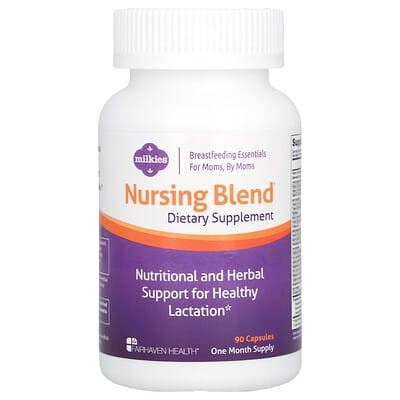
The clearest role is filling nutritional gaps during a nursing routine, rather than demonstrating an effect on milk supply. Iron, folate, B vitamins, iodine and zinc support normal nutrient functions when intake falls short. The unidentified proprietary blend does not provide enough information to assess what the nursing-focused additions contribute.
Vitamin D supplies 70 mcg, but calcium at 40 mg and magnesium at 20 mg provide little of the bone minerals themselves. The 18 mg ferrous fumarate serving can be harder on the stomach, and accompanying zinc may compete with iron absorption. Biotin at 600 mcg does not establish improved postpartum hair growth or stronger nails when nutrient needs are already met.
Clear amounts for many nutrients help with planning, but repeated vitamin A, folate and B12 entries make some totals uncertain. The 1,360 mg blend remains a more important limitation because neither its components nor their individual amounts are supplied. Suitability while breastfeeding needs those details and consideration of overlap with an existing prenatal or postnatal supplement.
Pros
Iodine form and quantity are clearly stated. Zinc and copper amounts are both disclosed. Iron and folate provide nutritional support relevant to low intake.
Cons
Blend ingredients and their individual amounts are unavailable. Very small calcium and magnesium contributions limit bone-mineral coverage. Repeated nutrient rows leave some totals uncertain. Milk-supply and extra hair-growth benefits are not established.
Warnings
The unidentified 1,360 mg blend cannot be assessed for breastfeeding suitability; obtain its complete composition before use. Ferrous fumarate at 18 mg may cause stomach discomfort; adding another iron-containing supplement increases the combined amount. The 70 mcg vitamin D serving is substantial; check overlap with prenatal, postnatal and separate vitamin D products.