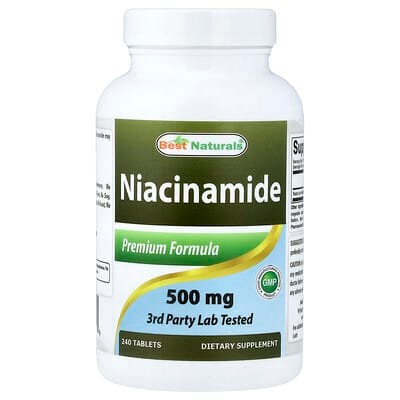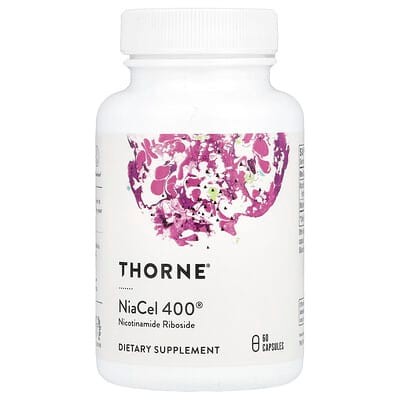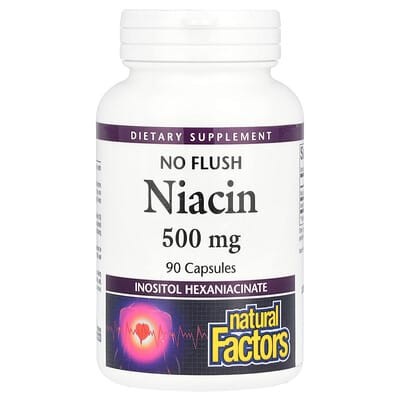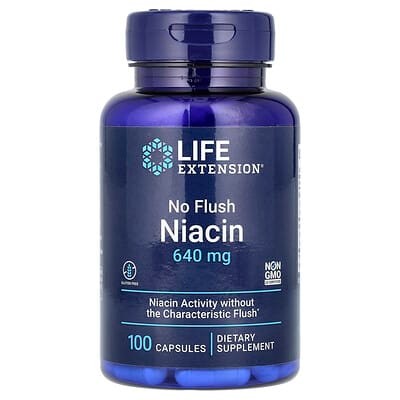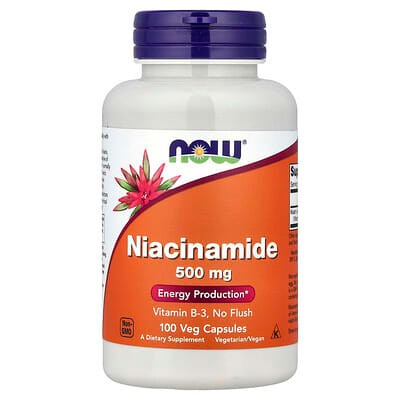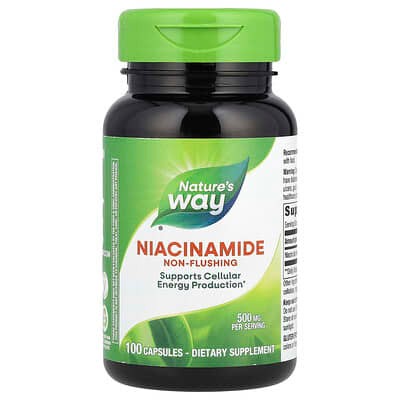
Niacin (Vitamin B3) is critical for cellular energy production. As a precursor to NAD+ and NADP+, it is directly involved in glycolysis, the Krebs cycle, and the electron transport chain—the core pathways for generating ATP from carbohydrates, fats, and proteins. Its role is foundational for a high-functioning metabolism.
- Focuses on
- Most relevant for
- Individuals seeking to maintain the fundamental nutritional building blocks required for cellular energy production.
Potential benefits
- Energy-Yielding Metabolism.As a precursor to NAD+ and NADP+, niacin is essential for the core biochemical pathways that convert carbohydrates, fats, and proteins into cellular energy.
- Cellular Redox Support.Niacin acts as a critical cofactor for hundreds of metabolic reactions, supporting the body's natural ability to maintain stable energy levels.
- Increased Calorie Burning.Unconfirmed. While niacin is foundational to metabolism, there is no proven evidence that taking extra niacin beyond nutritional needs increases calorie expenditure or speeds up resting metabolic rate.
Limitations
- No Weight Loss Benefit.Research does not demonstrate that niacin supplementation leads to fat loss or increased heat production; some evidence suggests it may even suppress brown fat thermogenesis.
- Adverse Glucose Effects.Clinical studies frequently find that therapeutic doses of niacin can worsen glycemic control, increase blood sugar levels, and impair insulin sensitivity.
- Limited to Deficiency Correction.The metabolism-supporting benefits are primarily established for maintaining normal function and preventing deficiency rather than boosting an already healthy system.
Things to consider
Common side effects include skin flushing and itching. High doses may increase the risk of impaired glucose tolerance or new-onset diabetes, especially in individuals with existing metabolic concerns.
Study evidence
17 studiesNiacin supports normal energy metabolism, but that does not mean extra niacin speeds metabolism or promotes fat burning. Medical niacin treatment can improve blood lipids while worsening glucose control, so the supplied evidence does not support a general metabolism-boosting benefit.