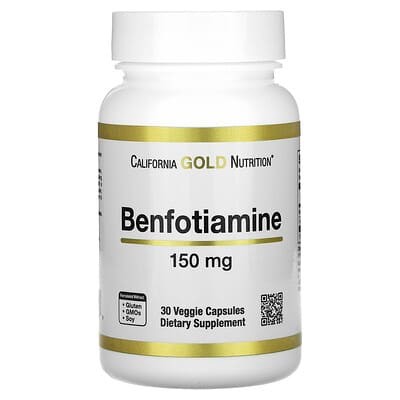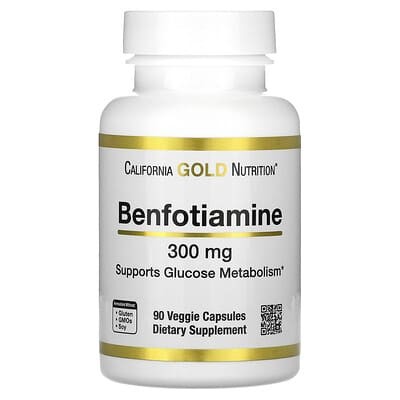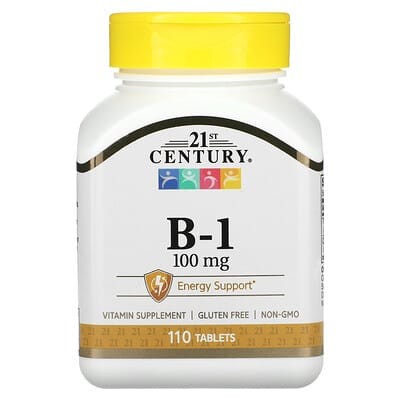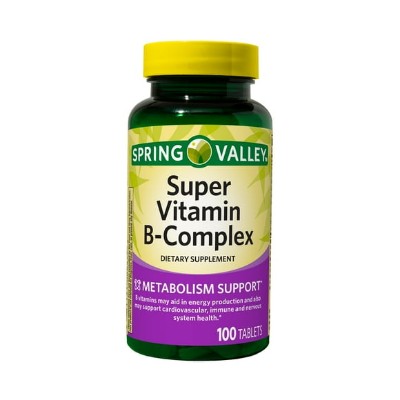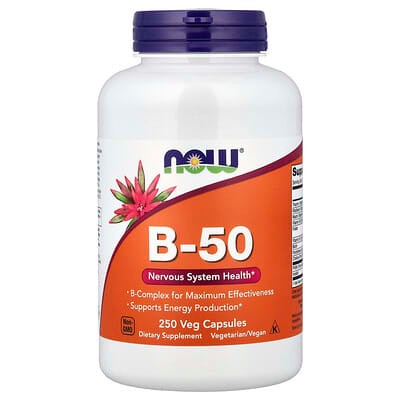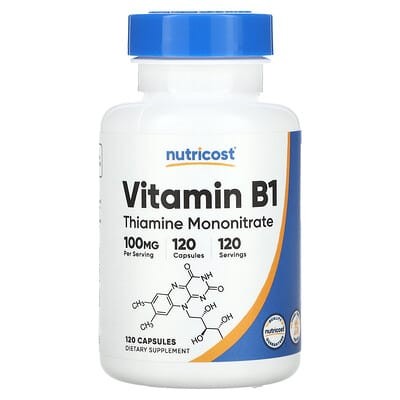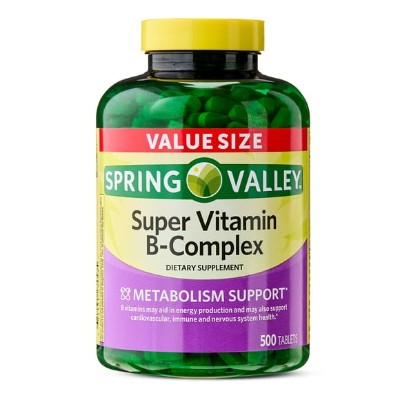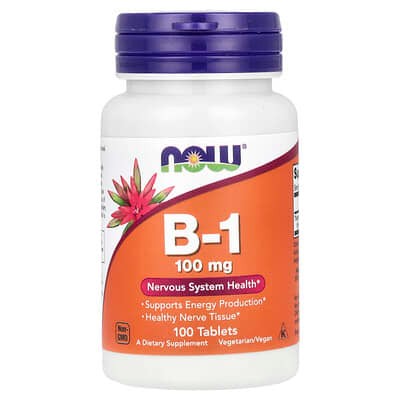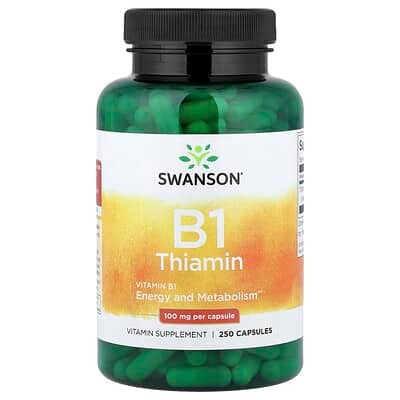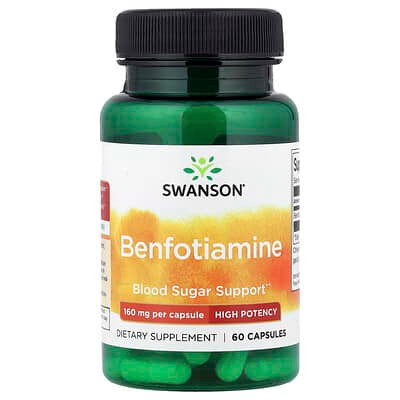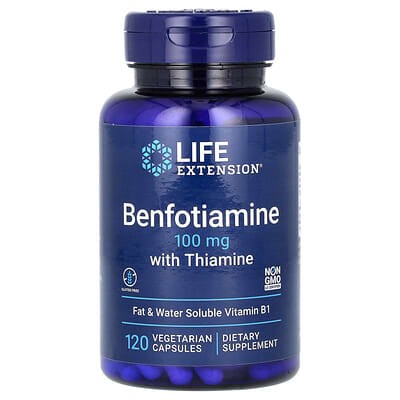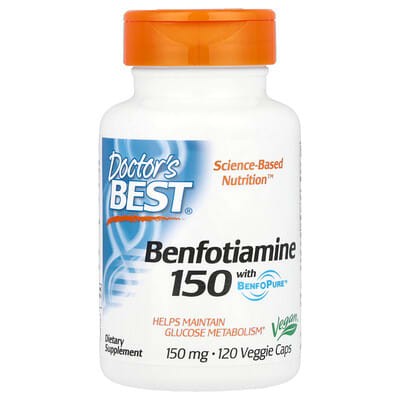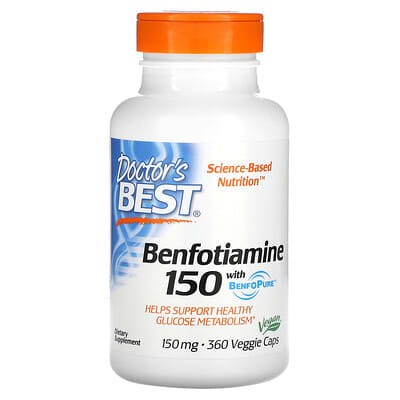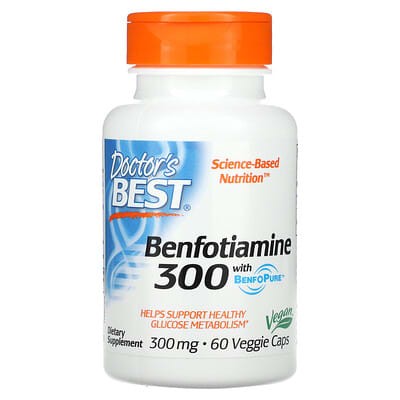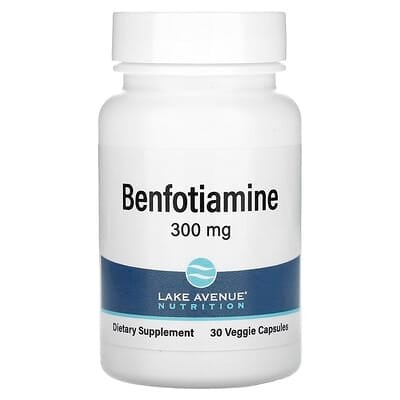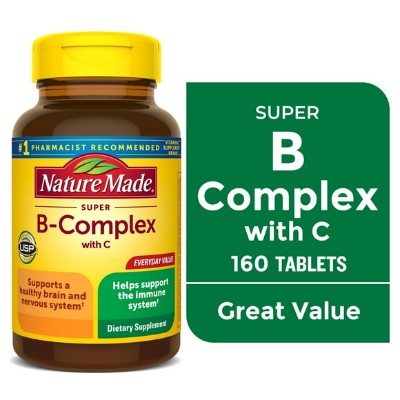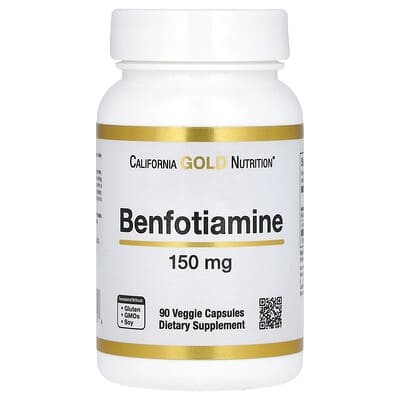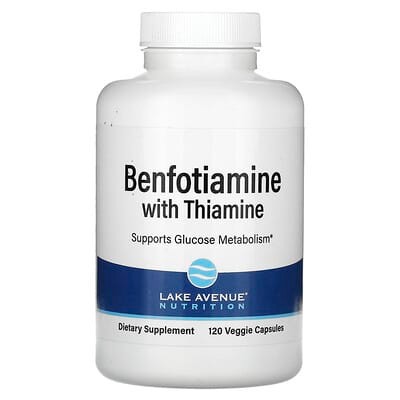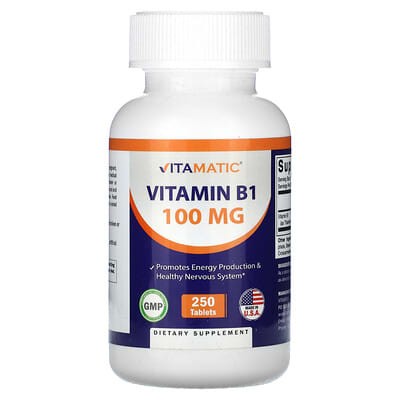
Thiamin (Vitamin B1) is a critical cofactor for enzymes involved in glucose metabolism, the brain's primary fuel source. It is also required for the synthesis of acetylcholine and GABA. Deficiency leads to severe neurological impairment, making adequate levels foundational for basic cognitive processing and neuronal health.
- Focuses on
- Most relevant for
- Individuals at risk for deficiency due to high alcohol intake, malnutrition, or those seeking to maintain fundamental metabolic brain function.
Potential benefits
- Protects Against Neurological Injury.Thiamin is critical for preventing Wernicke-Korsakoff syndrome, a severe and potentially irreversible condition characterized by memory loss and impaired motor coordination.
- Aids Recovery from Alcohol-Related Impairment.Supplementation may help restore memory and cognitive function in individuals undergoing treatment for alcohol use disorder by correcting underlying deficits.
- Foundational Metabolic Support.Unconfirmed. Required for glucose metabolism in the brain, though evidence that extra thiamin improves cognition in healthy individuals with adequate status is unproven.
Limitations
- Ineffective for Alzheimer Symptoms.Systematic reviews find no evidence that standard thiamin supplementation improves memory or cognitive function in patients with Alzheimer's disease.
- Lack of General Enhancement.Research does not consistently show that taking thiamin improves memory or prevents cognitive decline in healthy adults with sufficient dietary intake.
- Uncertainty at High Intakes.Some cohort data suggest a J-shaped relationship where very high dietary thiamin intake may be paradoxically associated with a higher risk of cognitive decline.
Things to consider
Chronic alcohol consumption can significantly impair thiamin absorption and utilization. In cases of suspected severe deficiency, thiamin should be administered before carbohydrates to prevent worsening neurological symptoms.
Study evidence
48 studiesThiamin is essential for brain function, and deficiency can cause serious neurological injury. Replacing it is important in deficiency-related illness, but the supplied research does not establish that extra thiamin reliably improves cognition or prevents dementia in people with adequate status.