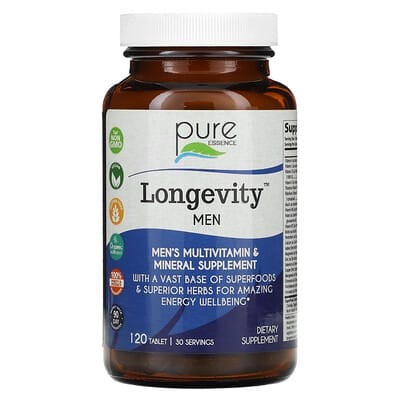


About this product
The most credible purpose is covering dietary gaps in vitamins and minerals. B vitamins support normal energy metabolism, and folate with B12 contributes to blood formation. Zinc, selenium and vitamin D support normal immune function when intake is low.
The 200 mg magnesium amount provides a useful mineral contribution, although the citrate-to-oxide split is not disclosed. Named methylcobalamin and several trace mineral forms are strengths, while the folate mixture is less clear. The larger nutrient amounts do not establish extra energy, focus or testosterone when nutritional needs are met.
B6 at 42 mg is a material limitation for routine daily use. Repeated entries for different vitamin forms should not be counted as separate full doses. The small calcium and potassium amounts also limit the case for relying on the formula for wider mineral needs.
The food, herbal and other blends lack enough component detail to establish what their extras contribute. In particular, unresolved botanical and carotenoid amounts do not support dependable sleep, digestive or longevity expectations. The high serving cost offers limited value if the main need is ordinary nutrient support.
Pros
Clearly stated magnesium, zinc and copper amounts Named methylcobalamin source for B12 Several trace minerals use identified forms
Cons
High cost for the nutrient quantities supplied Unknown proportions of magnesium citrate and oxide Folate mixture is not fully resolved Small calcium and potassium contributions Botanical and other blend totals do not establish individual active amounts
Warnings
The 42 mg B6 serving exceeds the adult daily upper limit cited in the ingredient findings; ongoing use and any additional B6 need individual consideration. Incomplete contents of the herbal and other blends limit checks for duplicate ingredients or a component you need to avoid.