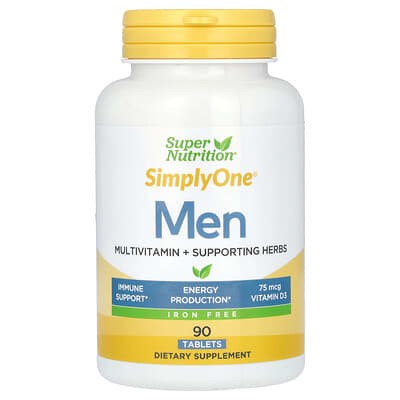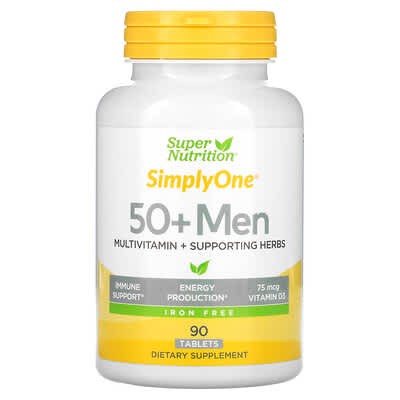


About this product
Broad nutrient coverage is the clearest reason to consider the formula. B vitamins support normal energy use and blood formation, while vitamin D, zinc and selenium help meet nutritional needs; extra energy, weight loss or sharper immediate focus is not established when intake is already adequate.
Some sources are clearly identified, including methylcobalamin, vitamin K1 and copper glycinate. Zinc at 23 mg is paired with 2 mg copper, but the citrate and oxide proportions are unknown, and the small calcium and magnesium amounts provide limited mineral support.
The herbal additions are less informative than the nutrient core because individual blend amounts and preparations are incomplete. Small ginkgo, tyrosine, choline and carotenoid amounts offer little reason to expect targeted performance or cosmetic benefits, leaving value uneven across the formula.
The 40 mg B6 amount is the main caution for a daily routine. It exceeds the cited adult upper-limit reference, so the large vitamin amounts need a suitability review rather than being taken as evidence of greater benefit.
Pros
Methylcobalamin, K1 and copper glycinate are identified Zinc and copper amounts are both quantified Core nutrient amounts can be compared individually
Cons
Small calcium and magnesium amounts limit mineral coverage Herb blends lack individual amounts or detailed preparations Mixed mineral proportions are undisclosed Small choline and botanical additions offer uneven value
Warnings
The 40 mg B6 serving exceeds the cited adult upper-limit reference; review the daily amount and avoid stacking other B6 supplements. L-phenylalanine is listed at 100 mg; people with phenylketonuria need to account for it, and a PKU warning is not shown in the available label details. A flushing warning accompanies the 50 mg niacin listing, but its chemical form is unclear; check the label if niacin flushing is a concern.