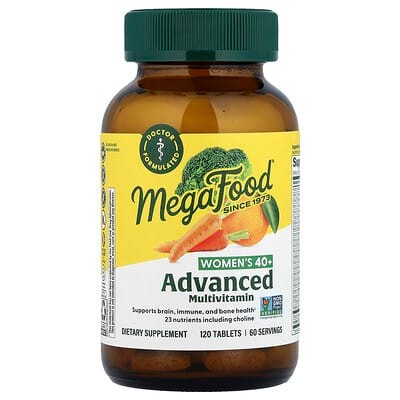


About this product
The main benefit is helping cover dietary gaps rather than adding energy or slowing aging once nutrient needs are met. B vitamins support normal energy use, and vitamin D at 25 mcg contributes to calcium absorption. Iron adds a modest 9 mg contribution, with its practical relevance depending on dietary intake and iron status.
Several mineral forms are useful strengths: iron, zinc and manganese are identified as bisglycinate, and the molybdenum source is also named. The 200 mg choline declaration adds nutritional support, without establishing a routine improvement in memory or attention. Copper at 0.2 mg remains small beside 15 mg zinc, which limits confidence in the mineral balance.
Calcium is absent, and the separate K1 and MK-7 declarations do not establish the wider bone or cardiovascular benefits associated with particular preparations. Chromium is split across several named forms without their proportions being given. A relatively high serving cost makes broad nutritional coverage its more plausible use than purchasing it mainly for iron, choline or one trace mineral.
Pros
Iron and zinc use clearly named bisglycinate forms Vitamin D provides a stated nutritional contribution Choline source and amount are listed
Cons
Copper is low relative to zinc Calcium is not included Chromium-form proportions remain unknown Modest iron contribution may not match a substantial shortfall Relatively high cost for single-nutrient use
Warnings
The 15 mg zinc serving contains only 0.2 mg copper; review the full supplement routine before adding more zinc. Zinc may compete with the included iron for absorption, which matters if the main goal is iron support.