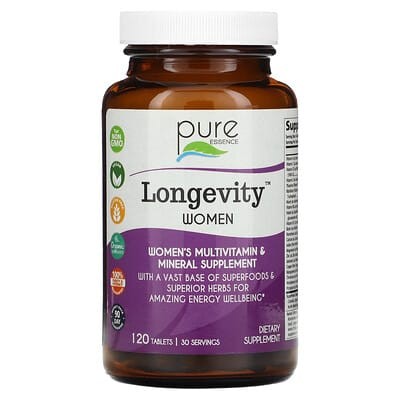


About this product
The clearest role is filling several nutrient gaps, rather than slowing aging. B vitamins support normal energy use, while folate and B12 support blood formation. Zinc, vitamin D and selenium add nutritional support for normal immune function.
The 200 mg magnesium serving makes a meaningful mineral contribution, but citrate and oxide are mixed in unknown proportions. Calcium at 150 mg adds only a small amount toward daily needs. Larger vitamin amounts do not establish extra energy, stronger hair or better concentration when intake is adequate.
The 42 mg B6 serving deserves more attention than the long list of added blends. Several B vitamins appear under multiple form names, so those entries should not be added together as separate nutrient doses. Folate proportions and its dietary-equivalent amount also remain unclear.
The additional food, herbal, immune and digestive blends are difficult to assess because their components and individual amounts are not fully established. Their totals do not establish effective amounts of specific botanicals, enzymes or carotenoids. The high serving cost is difficult to justify on nutrient quantities alone.
Pros
B12 is identified as methylcobalamin Magnesium supplies a clearly stated 200 mg elemental amount Zinc and copper amounts are both disclosed Several trace minerals have named source forms
Cons
High serving cost for the nutrient amounts supplied Magnesium source proportions are unknown Folate composition and dietary-equivalent amount remain unclear Blend totals do not reveal individual active amounts Longevity and broad performance claims extend beyond the clearest nutritional roles
Warnings
The 42 mg B6 serving is above the adult daily upper limit cited in the ingredient findings; check suitability for ongoing use and avoid adding other B6 supplements. The incompletely identified herbal and other blends make it difficult to check for ingredient overlap or a component you need to avoid.