Resveratrol

botanical

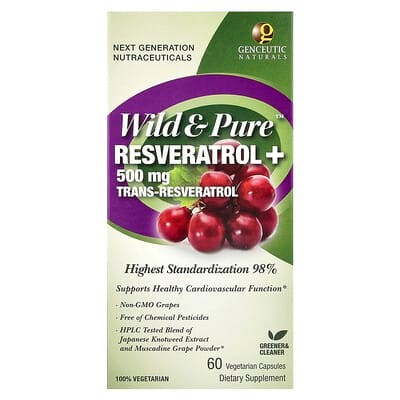
Resveratrol is a naturally occurring stilbenoid found in the skins of red grapes, berries, peanuts, and Japanese knotweed. It helps plants defend against stress and pathogens. Its presence in red wine contributed to the ‘French paradox’ concept, which links moderate red wine consumption with cardiovascular benefits. As a potent antioxidant, it helps protect cells from damage caused by oxidative stress. Beyond its antioxidant capacity, it exhibits anti-inflammatory effects and can influence cellular pathways related to metabolism and longevity. As a supplement, it is often used to support cardiovascular health by promoting healthy blood flow and maintaining arterial integrity. It is also studied for its potential role in neuroprotection and supporting the body's natural repair and regeneration processes during aging.

Natural sources
Red grapes (especially skins)Red winePeanutsBlueberriesCranberriesRaspberriesJapanese knotweed

No public comparison lists found.

Timing & Intake
AnytimeWith foodTake with A source of fat to enhance absorption, as it is fat-soluble.
Optimal Dosage
Minimum100 mg
Maximum500 mg
Safety & Toxicity
3 safety notes
  • Pregnant or nursing women should consult a healthcare professional before use.
  • Individuals with bleeding disorders or those taking blood-thinning medications should use with caution due to potential mild anticoagulant effects.
  • Discontinue use at least two weeks before any scheduled surgery.
Goals
Cognitive Support
Impact
High effect
Typical dose:100–500 mg

Resveratrol's benefits for brain circulation and its antioxidant properties are well-supported.

Focuses on
Verbal MemoryBrain CirculationPsychomotor SpeedDelayed RecognitionHippocampal Connectivity
Most relevant for
Older adults and postmenopausal women looking to support brain blood flow and age-related memory health.

Potential benefits

  • Verbal Memory and Recognition.Specific research in postmenopausal women and older adults shows improvements in delayed recognition and verbal memory retention.
  • Cerebral Blood Flow.Supplementation can improve cerebrovascular responsiveness and brain circulation, which is associated with better cognitive performance.
  • Psychomotor Speed.Evidence suggests that high-dose resveratrol may improve psychomotor speed and visuospatial function in sedentary older adults.

Limitations

  • Inconsistent Cognitive Outcomes.Multiple meta-analyses and trials report no significant benefit for memory, processing speed, or overall cognitive scores across various populations.
  • Unproven for Cognitive Disorders.Data regarding its effectiveness for Alzheimer's disease or mild cognitive impairment are mixed and do not establish a reliable therapeutic effect.
  • Population Limitations.Most benefits are observed in specific groups like postmenopausal women; evidence for younger, healthy, or obese adults is often null.
Things to consider

Clinical studies have noted some side effects, and its potential to prevent dementia or slow disease progression remains unconfirmed.

Study evidence

23 studies

Resveratrol may improve selected aspects of cognition, particularly in some research involving older adults and postmenopausal women, but results are inconsistent. The available evidence does not establish a reliable overall memory benefit or show that supplementation prevents dementia.

View goal
Metabolism Boost
Impact
High effect
Typical dose:100–500 mg

Resveratrol has been shown to increase the number and efficiency of mitochondria, the cellular powerhouses where fuel is burned. By activating the SIRT1 gene, it can improve glucose homeostasis and increase fatty acid oxidation, effectively making cellular energy production more robust and efficient.

Focuses on
Glucose controlInsulin sensitivityLipid metabolismMitochondrial functionMetabolic management
Most relevant for
Individuals with type 2 diabetes or metabolic syndrome seeking to improve glucose and insulin markers.

Potential benefits

  • Glucose and Insulin Management.Meta-analyses indicate that resveratrol can significantly reduce fasting glucose and improve insulin sensitivity, particularly in individuals with type 2 diabetes.
  • Cellular Energy Pathways.Resveratrol may activate SIRT1 and AMPK pathways, which are associated with increased mitochondrial number and improved fatty acid oxidation in muscle tissue.
  • Lipid Profile Support.Some evidence suggests modest improvements in total cholesterol, LDL levels, and waist circumference among overweight adults.

Limitations

  • No Direct Calorie Boost.Clinical studies have not found that resveratrol increases resting metabolic rate; in some cases, it may actually decrease energy expenditure while mimicking calorie restriction.
  • Limited Benefit for Healthy Adults.Metabolic improvements are primarily seen in populations with existing insulin resistance or diabetes, with little to no effect observed in healthy, non-diabetic individuals.
  • Inconsistent Clinical Results.Findings vary significantly across trials due to differences in dosage, study duration, and the small size of many human participant groups.
Things to consider

Resveratrol is generally well-tolerated up to 1 gram per day, though doses exceeding 0.5 grams may cause mild, reversible gastrointestinal discomfort.

Study evidence

21 studies

Resveratrol may improve some measures of blood sugar and lipid metabolism, especially in people with metabolic disorders. However, results are inconsistent, and improved metabolic markers do not mean a faster metabolism: the supplied evidence does not establish increased calorie burning or reliable weight loss.

View goal
Skin Health
Impact
High effect
Typical dose:100–500 mg

Resveratrol activates sirtuins, proteins associated with cellular longevity, and provides powerful antioxidant protection against free radical damage from sun exposure and pollution. This helps to preserve collagen and elastin, reducing signs of premature aging.

Focuses on
Wrinkle reductionPhotoaging signsAcne managementPost-laser recoveryAntioxidant protection
Most relevant for
Individuals over 40 focusing on aging concerns or those using topical formulations for acne-prone skin.

Potential benefits

  • Reduced Wrinkle Visibility.Combined use of oral supplements and topical creams has demonstrated significant reductions in facial wrinkles and skin aging scores for women over 40.
  • Acne Improvement.Topical gels containing resveratrol may help reduce the count and severity of lesions in individuals with acne vulgaris.
  • Recovery from Photoaging.Application of resveratrol may assist in reducing skin redness and pigmentation changes caused by sun damage or professional laser treatments.

Limitations

  • Route of Administration.Clinical benefits are primarily established for topical or combined oral-topical treatments; evidence for oral supplementation alone is limited.
  • Uncertain Hydration Benefits.Research indicates that adding resveratrol to skin preparations may not inherently improve moisture levels or skin hydration.
  • Specific Medical Contexts.Evidence for wound healing is largely restricted to specialized medical dressings for diabetic ulcers and cannot be generalized to routine cosmetic skin care.
Things to consider

Topical application may cause mild tingling, temporary redness, or increased sebum levels in some users.

Study evidence

7 studies

Resveratrol shows preliminary promise for selected skin concerns, especially in topical preparations or combined oral and topical use. Evidence for an oral supplement alone is limited, and improvements in wrinkles, acne, or wound care do not establish a broad skin-health benefit.

View goal
Anti-Aging
Impact
Moderate effect
Typical dose:150–1000 mg

Resveratrol mimics some of the effects of caloric restriction, a known longevity intervention. While human data is still evolving, it shows consistent benefits for endothelial function and metabolic health, making it a key supplement for vascular aging.

Focuses on
Bone densityMemory performanceSkin appearanceGlucose metabolismVascular health
Most relevant for
Older adults and postmenopausal women looking to support bone health and cognitive function during the aging process.

Potential benefits

  • Bone Mineral Density.Long-term supplementation has been shown to improve bone density in the lumbar spine and femoral neck in postmenopausal women, potentially reducing fracture risk.
  • Cognitive Maintenance.Some clinical evidence suggests resveratrol may improve word retention and hippocampal connectivity in older adults, though these results are not consistent across all trials.
  • Skin Quality Improvement.Unconfirmed. When used alongside topical applications or other antioxidants, oral resveratrol may help reduce wrinkle depth, though its benefit as a standalone oral supplement for skin is unproven.

Limitations

  • Longevity and Mortality.Evidence from large-scale observational studies indicates that resveratrol levels are not significantly associated with reduced all-cause mortality or increased lifespan in humans.
  • Inconsistent Mechanism.While often promoted for activating longevity proteins like Sirtuin 1, meta-analyses show that resveratrol supplementation does not consistently affect these levels in human clinical trials.
  • Varied Cognitive Outcomes.Research on memory enhancement is mixed; while some trials show benefits for word retention, others show no significant improvement in verbal memory after six months.
Things to consider

Some studies report potential unfavorable shifts in inflammatory markers or metabolic health indicators during long-term use, suggesting the need for periodic monitoring.

Study evidence

7 studies

Resveratrol has shown benefits for selected age-related outcomes, such as bone density or certain skin changes, but human findings are mixed. The available evidence does not establish that oral Resveratrol slows overall aging or extends life, and some skin benefits involve combined treatments.

View goal
Vision Support
Impact
Moderate effect
Typical dose:100–500 mg

Resveratrol helps combat oxidative stress and inhibits inflammatory pathways implicated in age-related macular degeneration (AMD) and diabetic retinopathy. It supports mitochondrial function in the high-energy environment of the retina, potentially preserving photoreceptor health.

Focuses on
Contrast sensitivityAdjunctive AMD supportMacular healthRetinal swelling managementInjection frequency reduction
Most relevant for
Individuals with specific retinal conditions like wet age-related macular degeneration using resveratrol as a secondary supplement to professional medical care.

Potential benefits

  • Improved Contrast Sensitivity.In patients with wet age-related macular degeneration, daily resveratrol supplementation alongside standard medical treatment may help improve the ability to distinguish between objects and their backgrounds.
  • Reduced Treatment Frequency.Some clinical evidence suggests that adding resveratrol to medical care may lead to fewer required eye injections and a reduction in macular scarring for those with existing retinal disease.
  • Increased Choroidal Blood Flow.Unconfirmed. Resveratrol may acutely increase blood vessel thickness in the choroid layer of the eye, though whether this provides a lasting benefit for general vision support is unproven.

Limitations

  • No Sharper Vision.Clinical studies consistently show that resveratrol does not significantly improve visual acuity (sharpness) compared to medical injections alone.
  • Lack of Evidence for Healthy Eyes.There is no established evidence that resveratrol protects eyesight or provides any functional vision benefits for individuals with healthy eyes.
  • Confounding Nutrients.Many studied formulations include other vitamins and antioxidants, making it difficult to isolate the specific impact of resveratrol on eye health.
Things to consider

Resveratrol should only be used as a secondary, adjunctive aid and is not a substitute for standard medical treatments like anti-VEGF injections.

Study evidence

4 studies

Resveratrol-containing supplements have shown limited promise as additions to medical treatment for certain retinal diseases, but they have not consistently improved visual acuity. The available evidence does not establish that Resveratrol alone protects eyesight or benefits people with healthy eyes.

View goal
Anti-Inflammatory Support
Impact
Situational effect
Typical dose:150–500 mg

Found in grapes, resveratrol has demonstrated an ability to inhibit key inflammatory molecules like NF-kB and various cytokines. Its benefits are often linked to cellular longevity and metabolic health, making it a supportive agent for managing age-related or metabolically-driven inflammation.

Focuses on
C-reactive protein levelsTNF-alpha reductionSystemic inflammatory markersCytokine regulationMetabolic-driven inflammation
Most relevant for
Individuals with existing metabolic or cardiovascular concerns seeking to manage elevated inflammatory markers like CRP.

Potential benefits

  • C-Reactive Protein Management.Meta-analyses of human trials indicate that resveratrol can significantly reduce serum levels of C-reactive protein (CRP) and high-sensitivity CRP, particularly in individuals with metabolic or cardiovascular risk factors.
  • Tumor Necrosis Factor Modulation.Supplemental resveratrol has shown the potential to lower tumor necrosis factor-alpha (TNF-alpha) levels, a key pro-inflammatory cytokine, specifically in populations with obesity or cardiovascular disease.
  • Support for Condition-Related Inflammation.Small-scale clinical trials suggest resveratrol may improve inflammatory markers and clinical symptoms in localized conditions such as periodontitis and mild-to-moderate ulcerative colitis.

Limitations

  • Inconsistent Marker Response.Results for other inflammatory markers, such as Interleukin-6 (IL-6), are highly mixed, with many controlled trials showing no significant effect across diverse participant groups.
  • Variable Results in Healthy Populations.The anti-inflammatory effects seen in individuals with chronic conditions are often absent in healthy older adults or those with a high BMI who do not have metabolic dysfunction.
  • Potential for Unfavorable Marker Changes.In some trials, high doses (1000mg/day) were associated with increases in total and LDL cholesterol, and one study in elderly adults observed a trend toward increased inflammatory markers.
Things to consider

High doses may negatively impact lipid profiles (LDL cholesterol) in some individuals. Outcomes may vary significantly based on baseline health status, and improvements in blood markers do not always translate to reduced disease risk or symptom relief.

Study evidence

34 studies

Resveratrol may lower some inflammatory blood markers, especially in selected metabolic or inflammatory conditions, but results are inconsistent. Several controlled trials found no benefit, and the evidence does not establish reliable relief of inflammatory symptoms or broad protection from disease.

View goal
Showing 6 of 9 goals

Studies

Research connections will load here.
Interactions
Sources

Up to five highest-ranked published examples per goal. Study counts and charts include all published studies for the connection.

  1. Effects of Resveratrol Supplementation on the Cognitive Function of Patients with Alzheimer's Disease: A Systematic Review of Randomized Controlled Trials.
    Tosatti JAG; Fontes AFDS; Caramelli P; Gomes KB · Drugs & aging · 2022
    Systematic review4 studies pooledCognitive Support
  2. Effects of resveratrol supplementation on multiple health outcomes: an umbrella review of systematic reviews and meta-analyses of randomized controlled trials.
    Sun JN; Yang R; Fang L; Li YJ; Xing WY; Sun ML; Wu L; Wu QJ; Gong TT · Nutrition journal · 2026
    Meta-analysis45 studies pooledMetabolism BoostCognitive Support
  3. Does phytoestrogen supplementation improve cognition in humans? A systematic review.
    Thaung Zaw JJ; Howe PRC; Wong RHX · Annals of the New York Academy of Sciences · 2017
    Systematic review23 studies pooledCognitive Support
  4. Long-Term Resveratrol Intake for Cognitive and Cerebral Blood Flow Impairment in Carotid Artery Stenosis/Occlusion.
    Hattori Y; Kakino Y; Hattori Y; Iwashita M; Uchiyama H; Noda K; Yoshimoto T; Iida H; Ihara M · Journal of stroke · 2024
    Cohort study79 participantsCognitive Support
  5. Resveratrol improves cognitive function and quality of life in postmenopausal women.
    Myhal V; Kazakov Y; Shut S; Tribrat T; Petrov Y; Ivanytska T; Chekalina N · Polski merkuriusz lekarski : organ Polskiego Towarzystwa Lekarskiego · 2026
    Randomized trial88 participantsCognitive Support
  6. Effects of resveratrol on glucose control and insulin sensitivity in subjects with type 2 diabetes: systematic review and meta-analysis.
    Zhu X; Wu C; Qiu S; Yuan X; Li L · Nutrition & metabolism · 2022
    Meta-analysis283 participants9 studies pooledMetabolism Boost
  7. Resveratrol improves insulin resistance, glucose and lipid metabolism in patients with non-alcoholic fatty liver disease: a randomized controlled trial.
    Chen S; Zhao X; Ran L; Wan J; Wang X; Qin Y; Shu F; Gao Y; Yuan L; Zhang Q; Mi M · Digestive and liver disease : official journal of the Italian Society of Gastroenterology and the Italian Association for the Study of the Liver · 2015
    Randomized trial60 participantsMetabolism Boost
  8. Supplementation with resveratrol modified gut microbiota improving insulin sensitivity and lipid metabolism in subjects with obesity and insulin resistance.
    Guevara-Cruz M; Sánchez-Tapia M; Velazquez-Villegas LA; Torre-Villalvazo I; Guizar-Heredia R; Godínez-Salas E; López-Barradas A; Granados O; Torres-Villalobos G; Torres N; Tovar AR · European journal of nutrition · 2026
    Randomized trial32 participantsMetabolism Boost
  9. Efficacy of Resveratrol Supplementation on Glucose and Lipid Metabolism: A Meta-Analysis and Systematic Review.
    Zhou Q; Wang Y; Han X; Fu S; Zhu C; Chen Q · Frontiers in physiology · 2022
    Meta-analysis1,171 participants25 studies pooledMetabolism Boost
  10. Efficacy and safety of Resveratrol combined with Ablative Fractional CO2 laser system in the treatment of skin photoaging.
    Du YM; Zeng J; Li M; Wang YB; Wu Y; Qi RQ; Gao XH; Chen HD · Journal of cosmetic dermatology · 2021
    Non-randomized trial32 participantsSkin Health
  11. Exploring resveratrol-enriched collagen dressings for diabetic foot ulcers: A retrospective study of wound healing outcomes.
    Sezikli İ; Kendirci M · Journal of tissue viability · 2025
    Cohort study41 participantsSkin Health
  12. Enhanced antioxidant effect of trans-resveratrol: potential of binary systems with polyethylene glycol and cyclodextrin.
    Moyano-Mendez JR; Fabbrocini G; De Stefano D; Mazzella C; Mayol L; Scognamiglio I; Carnuccio R; Ayala F; La Rotonda MI; De Rosa G · Drug development and industrial pharmacy · 2016
    Clinical trialSkin Health
  13. Trans-resveratrol reduces visible signs of skin ageing in healthy adult females over 40: an 8-week randomized placebo-controlled trial.
    Rao A; Briskey D; Roche G; Tremblay A; Da Silva Pinto M; Tompkins TA · Frontiers in aging · 2026
    Randomized trial134 participantsSkin HealthAnti-Aging
  14. Resveratrol-Loaded Lipid Nanocarriers: Correlation between In Vitro Occlusion Factor and In Vivo Skin Hydrating Effect.
    Montenegro L; Parenti C; Turnaturi R; Pasquinucci L · Pharmaceutics · 2020
    Clinical trial12 participantsSkin Health
  15. Effects of resveratrol on memory performance, hippocampal functional connectivity, and glucose metabolism in healthy older adults.
    Witte AV; Kerti L; Margulies DS; Flöel A · The Journal of neuroscience : the official journal of the Society for Neuroscience · 2014
    Randomized trial46 participantsAnti-Aging
  16. Effects of resveratrol on memory performance, hippocampus connectivity and microstructure in older adults - A randomized controlled trial.
    Huhn S; Beyer F; Zhang R; Lampe L; Grothe J; Kratzsch J; Willenberg A; Breitfeld J; Kovacs P; Stumvoll M; Trampel R; Bazin PL; Villringer A; Witte AV · NeuroImage · 2019
    Randomized trial60 participantsAnti-Aging
  17. Resveratrol levels and all-cause mortality in older community-dwelling adults.
    Semba RD; Ferrucci L; Bartali B; Urpí-Sarda M; Zamora-Ros R; Sun K; Cherubini A; Bandinelli S; Andres-Lacueva C · JAMA internal medicine · 2014
    Cohort study783 participantsAnti-Aging
  18. Impact of Resveratrol Supplementation on Human Sirtuin 1: A Grading of Recommendations Assessment, Development and Evaluation-Assessed Systematic Review and Dose-Response Meta-Analysis of Randomized Controlled Trials.
    Mansouri F; Feliziani G; Bordoni L; Gabbianelli R · Journal of the Academy of Nutrition and Dietetics · 2025
    Meta-analysis11 studies pooledAnti-Aging
  19. One-year outcomes of resveratrol supplement with aflibercept versus aflibercept monotherapy in wet age-related macular degeneration.
    Datseris I; Bouratzis N; Kotronis C; Datseris I; Tzanidaki ME; Rouvas A; Gouliopoulos N · International journal of ophthalmology · 2023
    Randomized trial50 participantsVision Support
  20. Resveratrol Supplementation in Wet AMD: Association With Fewer Intravitreal Injections and Reduced Macular Fibrosis.
    Datseris I; Rouvas A; Tzanidaki ME; Kardara M; Geros V; Gouliopoulos N · Clinical ophthalmology (Auckland, N.Z.) · 2025
    Cohort study50 participantsVision Support
  21. Efficacy and safety of vitamin supplements with resveratrol in diabetic macular edema: Long-term results of a comparative study
    Irini Chatziralli, Eleni Dimitriou, Alexandros Chatzirallis, Evaggelia Aissopou, Dimitrios Kazantzis, George Theodossiadis, Panagiotis Theodossiadis · European Journal of Ophthalmology · 2022
    Non-randomized trial45 participantsVision Support
  22. Effect of Resveratrol-Based Nutritional Supplement on Choroidal Thickness: A Pilot Study
    Shuaishuai Wang, Nived Moonasar, Xiao Xiao, Tiemei Yin, Robert N Weinreb, Xufang Sun · Current Eye Research · 2016
    Randomized trial34 participantsVision Support
  23. Role of resveratrol supplementation in regulation of glucose hemostasis, inflammation and oxidative stress in patients with diabetes mellitus type 2: A randomized, placebo-controlled trial.
    Mahjabeen W; Khan DA; Mirza SA · Complementary therapies in medicine · 2022
    Randomized trial110 participantsAnti-Inflammatory Support
  24. Resveratrol decreases local inflammatory markers and systemic endotoxin in patients with aggressive periodontitis.
    Zhang Q; Xu S; Xu W; Zhou Y; Luan H; Wang D · Medicine · 2022
    Randomized trial160 participantsAnti-Inflammatory Support
  25. Effects of resveratrol supplementation on inflammatory markers, fatigue scale, fasting blood sugar and lipid profile in relapsing-remitting multiple sclerosis patients: a double-blind, randomized placebo-controlled trial.
    Keramatzadeh S; Hosseini SA; Majdinasab N; Cheraghian B; Zilaee M · Nutritional neuroscience · 2025
    Randomized trial55 participantsAnti-Inflammatory Support
  26. One-year consumption of a grape nutraceutical containing resveratrol improves the inflammatory and fibrinolytic status of patients in primary prevention of cardiovascular disease.
    Tomé-Carneiro J; Gonzálvez M; Larrosa M; Yáñez-Gascón MJ; García-Almagro FJ; Ruiz-Ros JA; García-Conesa MT; Tomás-Barberán FA; Espín JC · The American journal of cardiology · 2012
    Randomized trial75 participantsAnti-Inflammatory Support
  27. Effects of resveratrol supplementation on risk factors of non-communicable diseases: A meta-analysis of randomized controlled trials.
    Guo XF; Li JM; Tang J; Li D · Critical reviews in food science and nutrition · 2019
    Meta-analysis1,069 participants29 studies pooledAnti-Inflammatory Support
  28. Consumption of a grape extract supplement containing resveratrol decreases oxidized LDL and ApoB in patients undergoing primary prevention of cardiovascular disease: a triple-blind, 6-month follow-up, placebo-controlled, randomized trial.
    Tomé-Carneiro J; Gonzálvez M; Larrosa M; García-Almagro FJ; Avilés-Plaza F; Parra S; Yáñez-Gascón MJ; Ruiz-Ros JA; García-Conesa MT; Tomás-Barberán FA; Espín JC · Molecular nutrition & food research · 2012
    Randomized trial75 participantsCardiovascular Support
  29. Resveratrol improves lipid profile and recovers heart function in postoperative CABG patients.
    Ahmadi P; Akbarzadeh S; Alizadeh M; Mohammadi N; Mahmoodi M; Amini A; Netticadan T; Rezaei M; Movahed A · Molecular and cellular biochemistry · 2025
    Randomized trial60 participantsCardiovascular Support
  30. Resveratrol Supplementation and its Potential Benefits in Obesity-related Non-communicable Diseases.
    Shen CY; Li CP; Yu JT; Ho YJ; Tsai RY · In vivo (Athens, Greece) · 2026
    Meta-analysis2,551 participants40 studies pooledCardiovascular Support
  31. Chronic resveratrol consumption improves brachial flow-mediated dilatation in healthy obese adults.
    Wong RH; Berry NM; Coates AM; Buckley JD; Bryan J; Kunz I; Howe PR · Journal of hypertension · 2014
    Randomized trial28 participantsHeart HealthCardiovascular Support
  32. Effect of resveratrol supplementation on lipid profile in subjects with dyslipidemia: A randomized double-blind, placebo-controlled trial.
    Simental-Mendía LE; Guerrero-Romero F · Nutrition (Burbank, Los Angeles County, Calif.) · 2020
    Randomized trial71 participantsCardiovascular Support
  33. A Meta-Analysis of the Impact of Resveratrol Supplementation on Markers of Renal Function and Blood Pressure in Type 2 Diabetic Patients on Hypoglycemic Therapy.
    Nyambuya TM; Nkambule BB; Mazibuko-Mbeje SE; Mxinwa V; Mokgalaboni K; Orlando P; Silvestri S; Louw J; Tiano L; Dludla PV · Molecules (Basel, Switzerland) · 2021
    Meta-analysis388 participants5 studies pooledHeart Health
  34. Resveratrol Improves Heart Function by Moderating Inflammatory Processes in Patients with Systolic Heart Failure.
    Gal R; Deres L; Horvath O; Eros K; Sandor B; Urban P; Soos S; Marton Z; Sumegi B; Toth K; Habon T; Halmosi R · Antioxidants (Basel, Switzerland) · 2024
    Randomized trial60 participantsHeart Health
  35. Low dose resveratrol improves cerebrovascular function in type 2 diabetes mellitus.
    Wong RH; Nealon RS; Scholey A; Howe PR · Nutrition, metabolism, and cardiovascular diseases : NMCD · 2017
    Randomized trial36 participantsHeart Health
  36. Modified resveratrol Longevinex improves endothelial function in adults with metabolic syndrome receiving standard treatment.
    Fujitaka K; Otani H; Jo F; Jo H; Nomura E; Iwasaki M; Nishikawa M; Iwasaka T; Das DK · Nutrition research (New York, N.Y.) · 2012
    Randomized trial34 participantsHeart Health
  37. A review of complementary and alternative approaches to immunomodulation.
    Clarke JO; Mullin GE · Nutrition in clinical practice : official publication of the American Society for Parenteral and Enteral Nutrition · 2008
    Narrative reviewImmunity
  38. The role of dietary polyphenols in the management of inflammatory bowel disease.
    Farzaei MH; Rahimi R; Abdollahi M · Current pharmaceutical biotechnology · 2015
    Narrative reviewImmunity
  39. Complementary and alternative medicine: herbs, phytochemicals and vitamins and their immunologic effects.
    Mainardi T; Kapoor S; Bielory L · The Journal of allergy and clinical immunology · 2009
    Narrative reviewImmunity
  40. Resveratrol Treatment of Autism Spectrum Disorder-A Pilot Study.
    Marchezan J; Deckmann I; da Fonseca GC; Margis R; Riesgo R; Gottfried C · Clinical neuropharmacology · 2022
    Cohort study3 participantsImmunity
  41. Effects of resveratrol on inflammatory cytokines in COVID-19 patients: a randomized, double-blinded, placebo-controlled clinical trial.
    Bastin A; Netticadan T; Abbasi F; Rahimi N; Mahmoodi M; Alizadeh M; Movahed A; Momeni-Moghaddam MA · Molecular and cellular biochemistry · 2025
    Randomized trial44 participantsImmunity