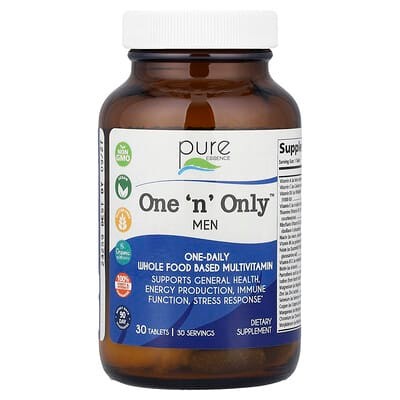


About this product
The clearest value is supplying nutrients for normal metabolism and immune function when dietary intake is low. B vitamins support energy use, while folate and B12 support blood formation. Extra nutrient intake does not establish a reliable energy, concentration or testosterone boost once needs are met.
Methylfolate, methylcobalamin and several named trace mineral sources help with comparison. The 20 mg zinc and 1 mg copper amounts are clear, although their balance does not by itself establish suitability. Magnesium at 25 mg offers little support for choosing the formula for stress or wider mineral needs.
B6 at 31.5 mg is a more important practical issue than the broad performance claims. The shares of its two B6 forms are undisclosed, as are several other mixed-vitamin proportions. Repeated form entries should not be added together as separate doses.
The herbal, male-support and other blends have insufficient component detail to establish their added effects. Their totals do not confirm useful individual amounts for energy, digestive or hormone support. The serving cost is relatively high for many of the nutrients, which weakens value if basic dietary coverage is the main goal.
Pros
Methylfolate and methylcobalamin forms are named Zinc and copper have separate stated amounts Several trace mineral sources are disclosed
Cons
Small magnesium contribution Mixed-vitamin proportions remain unknown Added blends lack enough individual ingredient detail Serving cost is relatively high for many nutrients No established extra testosterone or productivity benefit with adequate intake
Warnings
The 31.5 mg B6 serving is high for ongoing use; additional B6 supplements increase exposure further, so review the combined amount. Incomplete herbal and male-support blend contents limit checks for overlapping ingredients or a component you need to avoid.